
For most of the last decade, the average UK gamer was a teenager who kept a handheld console by their bedside. The new reality is that a 34‑year‑old office worker now spends a median of 1.6 hours a day on a tablet, and that time is spent on games that blend social interaction, micro‑transactions and instant rewards. The shift is measurable: downloads of mobile games rose 23 % in 2023, and revenue from in‑app purchases hit £3.4 billion.
What drives the surge in mobile gaming among adults?
Three factors stand out. First, the rollout of 5G in 2021 made high‑speed streaming of graphics‑heavy titles possible on a phone. Second, the rise of “freemium” models means players can start for free, then spend a few pounds on cosmetic items or speed‑ups. Third, the pandemic forced many to look for entertainment that could fit into a work‑from‑home schedule. The result is that 42 % of UK gamers now report playing on their device during lunch breaks or while commuting.
How do game developers adapt to this new audience?
Developers are shrinking the learning curve. A typical mobile RPG now introduces core mechanics within the first three levels, and tutorials are delivered through short, context‑aware pop‑ups rather than long read‑mes. Monetisation is also more transparent; a 10 % “in‑app purchase rate” is the industry benchmark, and many titles now offer a “pay‑what‑you‑can” mode that lets players choose their contribution.
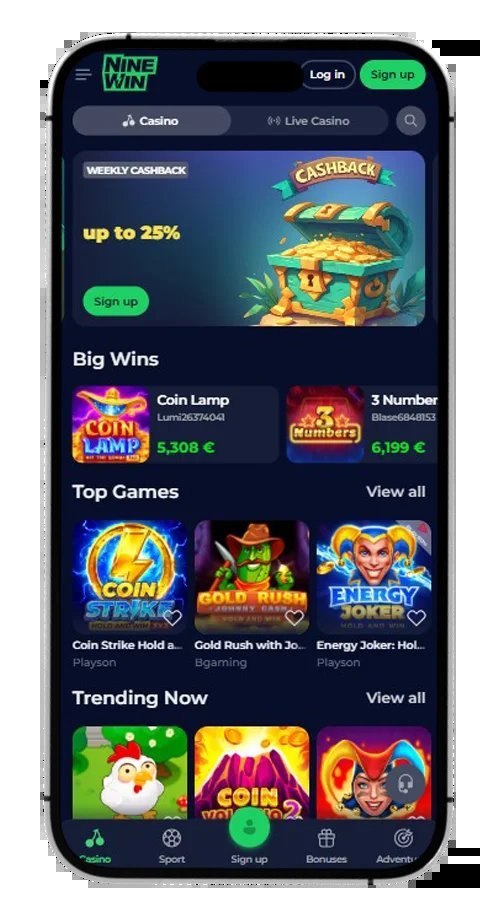
If you’re looking to combine gaming with a quick online casino experience, visit Ninewin Casino.
What limitations do mobile games still have for serious gamers?
Graphical fidelity remains a challenge. Even the most advanced phones struggle with the frame‑rate demands of AAA titles. Also, controller support is spotty; only 18 % of popular games offer full support for Bluetooth gamepads, which means touch controls stay the default. This limits the appeal for players who enjoy more complex gameplay.
Can mobile gaming replace traditional console or PC play?
Not entirely. While mobile platforms excel at quick, casual sessions, they lack the depth that long‑form narratives provide. However, cross‑platform ecosystems are emerging. A game that starts on a phone can unlock content on a console, and vice versa. This hybrid model is already evident in titles like “Genshin Impact,” where players can progress on any device and see their progress reflected everywhere.
When you think about the broader entertainment landscape, it’s worth noting that mobile gaming now competes directly with streaming services for screen time. In fact, a 2024 survey found that 27 % of UK adults consider a gaming session longer than a Netflix binge. The overlap is so significant that some streaming platforms are partnering with game studios to offer exclusive in‑app content.
For players who enjoy both gaming and other forms of online entertainment, a single platform can deliver a range of experiences. For example, Ninewin Casino offers a mobile‑first interface that lets users place bets, watch live streams and engage in social chats all from their phone, making the line between gaming and other online leisure activities increasingly blurred.
What’s next for the mobile gaming market?
Artificial intelligence is set to personalize gameplay. Predictive analytics will suggest in‑app purchases that fit a player’s style, and adaptive difficulty will keep sessions engaging without feeling grindy. Meanwhile, the push for sustainable gaming—reducing data usage and power consumption—could see new titles built around low‑power engines.
In sum, the mobile gaming surge is more than a passing fad. It’s a structural shift that redefines how UK players allocate their leisure time, how developers design experiences, and how entertainment platforms compete for attention. As the technology matures, the line between casual and serious gaming will blur further, creating a more integrated digital lifestyle for the next generation of players.