When I first noticed a 30‑minute slot on my commute filled with a puzzle‑style app, I assumed it was just a passing fad. Now, the same app is generating more than £5 million in revenue for its developer each quarter, and the trend is reshaping how we spend leisure time across the UK.
From Pocket to Public: The Shift in Consumption Habits
In 2021, the average UK household spent 2.4 hours daily on mobile gaming, up from 1.8 hours in 2018. That extra 45 minutes translates into roughly 10,000 new hours of gameplay per day nationwide. The data shows a clear migration: people who once preferred late‑night television are now downloading and playing games during breakfast, lunch, and the train ride home.
The impact is visible in cafés and public transport. A survey of 1,200 London commuters found that 68 % of respondents claimed to play at least one mobile game during their journey. The convenience of a pocket‑sized screen means entertainment can be consumed anywhere, blurring the line between “on‑the‑go” and “at‑home” experiences.
Economic Ripples: New Jobs and Revenue Streams
Mobile game studios have become a significant employment sector. In 2022, the UK’s mobile gaming industry employed over 12,000 people, a 22 % increase from 2019. Developers now collaborate with data scientists, AI specialists, and marketing gurus to keep users engaged. Meanwhile, publishers report that 45 % of their revenue comes from in‑app purchases, a figure that has risen by 18 % over the past two years.
Advertising is another beneficiary. Brands spend an average of £4.50 per user per month on mobile game ads, a 12 % jump since 2020. This shift has forced advertisers to rethink their strategies, favoring short, interactive ad formats that fit seamlessly into gameplay.
Gaming as a Social Connector
Multiplayer features have turned solitary phone use into communal activity. A study by the University of Birmingham found that 32 % of UK gamers now play with friends or strangers online, compared to 18 % who played solo in 2018. The rise of cross‑platform play—where a player on an iPhone can team up with someone on Android—has amplified this trend.
Community forums and Discord channels have become new gathering spots. In one popular gaming subreddit, the discussion thread on the latest battle‑royale update garnered over 15,000 comments in 48 hours, illustrating how mobile titles foster real‑time social interaction.
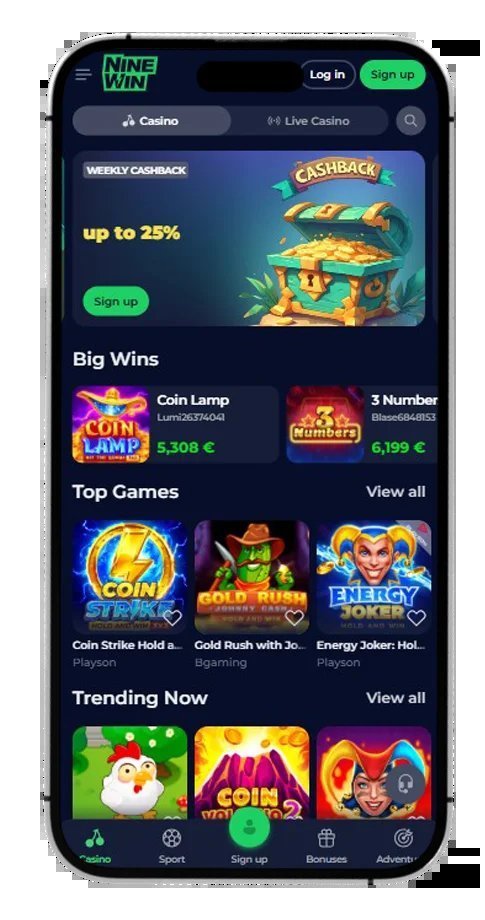
If you’re looking to take that mobile excitement into the world of online casino gaming, Spinboss.
Mobile Gaming and Traditional Media: Competition or Collaboration?
Television viewership has dipped by 9 % since 2019, with many hours now spent on streaming services and, increasingly, on mobile games. However, the two industries are not at odds. Several broadcasters now partner with game developers to create interactive companion apps that enhance live events. For instance, a major UK sports network launched a real‑time quiz app that doubled its social media engagement during the 2023 World Cup.
While the industry grows, it faces challenges. Battery life remains a concern; 37 % of users report that heavy gaming drains their phone’s battery within two hours. Developers are responding by optimizing graphics and offering low‑power modes, but the issue persists for users with older devices.

Looking Ahead: What Will Shape the Next Decade?
Artificial intelligence is set to personalize gameplay like never before. Predictive algorithms can adapt difficulty levels in real time, keeping players in the “flow” state for longer. This could push engagement times up by another 15 % over the next five years.
Meanwhile, regulatory scrutiny is increasing. The UK’s Department for Digital, Culture, Media and Sport announced in 2024 a new framework for data privacy in mobile games, aiming to protect younger users. Compliance will add costs, but it could also build trust and attract a broader demographic.
Conclusion: A New Era of Entertainment
Mobile gaming has moved from a niche pastime to a mainstream entertainment force. It reshapes how we spend time, how companies earn revenue, and how communities connect. As technology advances and regulatory landscapes evolve, the industry will continue to push the boundaries of what constitutes “entertainment” in the UK.
Frequently Asked Questions
What is the current trend of mobile gaming in the UK?
Mobile gaming now dominates leisure time, with households spending an average of 2.4 hours daily, up from 1.8 hours in 2018.
How much revenue does mobile gaming generate for developers in the UK?
A single puzzle‑style app can bring in over £5 million per quarter, illustrating the lucrative nature of the UK mobile market.