Category: Cultural Events

  • How to Plan Your Own Cultural Event

    How to Plan Your Own Cultural Event

    Planning a cultural event can be an exciting and fulfilling experience. Whether it’s a festival, a concert, or an exhibition, creating an event that celebrates culture is a powerful way to bring people together. In this guide, we will walk you through the steps of planning your own cultural event, ensuring it runs smoothly and leaves a lasting impact.

    How to Plan Your Own Cultural Event
    How to Plan Your Own Cultural Event

    Understand the Purpose of Your Event

    The first step in planning a cultural event is to define its purpose. What do you want to achieve with your event? Are you promoting cultural awareness, showcasing a specific culture, or providing entertainment for your community? Understanding your goals will help you make decisions about the type of event, the target audience, and how to structure the activities.

    For example, a cultural festival might aim to celebrate local traditions, while an exhibition may focus on art and history. Understanding the purpose will shape your event’s tone and content.

    Define Your Audience

    Who are you organizing the event for? Identifying your audience is crucial for planning. Your audience will influence the type of content, the size of the venue, and the promotional strategies you use.

    Consider who would be most interested in attending your event. Are you targeting residents, tourists, families, or specific age groups? Knowing your audience helps in choosing the right entertainment, food, and activities for the event.

    Set a Date and Budget

    Next, you’ll need to choose a date for your cultural event. Make sure it doesn’t clash with major holidays or local events to maximize attendance. Consider the weather if you’re planning an outdoor event, and make sure there’s enough time to organize everything properly.

    Simultaneously, set a realistic budget. Consider all potential costs such as venue rental, performers or artists, food and drinks, decorations, permits, and marketing. It’s essential to track your spending to avoid going over budget and ensure that you can cover all expenses. Similarly, while playing gambling360 online slots, it’s crucial to plan your spending wisely to avoid unnecessary risks.

    Find a Venue

    The venue is a key element of your event, so choose one that aligns with your event’s goals and accommodates the expected number of attendees. If it’s a performance, make sure the venue has good acoustics and stage equipment. If it’s a food-based event, ensure there is enough space for vendors and seating.

    Also, consider the location’s accessibility, parking, and facilities for disabled guests. A venue in a central area will attract more attendees, especially if public transportation options are available.

    Exploring Opportunities in Entertainment and Digital Leisure

    As digital experiences become more accessible, people are constantly seeking ways to enjoy entertainment without financial barriers. One such opportunity comes through the best no deposit bonus codes, offering a risk-free way to explore online casino games. These bonuses are ideal for newcomers looking to engage in online entertainment safely and responsibly. It’s a small but exciting way to enhance your digital leisure time.

    Plan the Event Program

    The heart of any cultural event is the program. Plan the activities and entertainment carefully to reflect the theme of the event and keep the audience engaged. If your event is a festival, think about what kind of performances, exhibitions, or demonstrations you can include. Music, dance, and art are common in cultural events, but you can also explore cooking classes, storytelling, or workshops.

    Make sure to create a schedule with a clear timeline, so the event runs smoothly. Factor in breaks and allow some flexibility for delays or unexpected events.

    Digital Resources Enhancing Reader Engagement

    Diario El Progreso continues to inform its audience with timely news and community updates that reflect the region’s most relevant developments.
    As readers explore a variety of online interests, some may turn to platforms like https://www.kiwibetting.com/ for additional entertainment and interactive experiences.
    When integrated naturally, such external resources can complement the diverse content readers already enjoy.
    This blend supports a dynamic digital environment that caters to a wide range of user preferences.

    Secure Sponsorship and Partners

    If your budget is tight, consider seeking sponsorship or partnering with organizations that align with your event’s goals. Local businesses, cultural organizations, or even government grants can provide financial support or in-kind donations.

    Sponsorships can also help with promotion, as partners may share the event with their audience, expanding your reach. Ensure that the sponsorship agreements are clear and mutually beneficial.

    Digital Resources Enhancing Reader Engagement

    Diario El Progreso continues to inform its audience with timely news and community updates that reflect the region’s most relevant developments.
    As readers explore a variety of online interests, some may turn to platforms like https://www.kiwibetting.com/ for additional entertainment and interactive experiences.
    When integrated naturally, such external resources can complement the diverse content readers already enjoy.
    This blend supports a dynamic digital environment that caters to a wide range of user preferences.

    Promote Your Event

    Effective promotion is key to the success of your cultural event. Use multiple channels to reach your target audience, such as social media, flyers, local newspapers, and community boards. Create an event page with all the necessary details, including the schedule, location, and ticket information.

    Encourage word-of-mouth promotion by asking friends, family, and volunteers to share the event with their networks. If you have a website or social media presence, keep posting updates and reminders to build excitement.

    Navigating Information and Digital Spheres

    For those interested in exploring different kinds of online engagement where strategic thinking and an understanding of probabilities are key, various digital platforms offer unique experiences. Discover how analytical approaches can enhance your interaction with games like https://www.stellarspins.ai/en/online-baccarat, where informed choices play a significant role.

    Coordinate Logistics

    Organizing the logistics is one of the most challenging parts of planning a cultural event. Think about how the event will flow and what equipment and resources you’ll need. Do you need tents, sound systems, or stages? Will there be food vendors, and if so, what kind of food will they offer?

    You’ll also need to think about security, first aid, and crowd management. It’s important to have a team of volunteers or staff to help with setup, guest coordination, and troubleshooting during the event.

    Finding Your Next Source for News and Entertainment

    At Diario El Progreso, we are committed to providing you with reliable and engaging news, covering everything from economic development to sports and recreation. Just as we help you stay informed on the world’s progress, the digital landscape offers countless avenues for new discoveries and exciting experiences. For those who appreciate a direct and straightforward path to thrilling entertainment, a world of high-quality fun awaits. Discover a new realm of opportunities with seamless access at https://nokyc-casino.io.

    Evaluate the Event

    After your cultural event is over, it’s important to evaluate its success. Ask for feedback from attendees, performers, and vendors to see what went well and what could be improved. This feedback will be invaluable for planning future events.

    Consider tracking attendance, ticket sales, and social media engagement to measure the impact of your event. Use this data to gauge whether you met your goals and plan for future events.

    Delivering Reliable News to Your Community

    Diario El Progreso covers breaking news, community stories, and local events with accuracy and depth. Their reporting keeps readers informed and connected. Similarly, the jackpotjill VIP site offers interactive online experiences that entertain and engage its audience.

    Conclusion

    Planning a cultural event takes time and effort, but with the right steps in place, it can be a rewarding experience. From understanding the purpose of your event to evaluating its success afterward, each stage is important in ensuring that everything runs smoothly. With careful planning and preparation, you can create an event that celebrates culture and brings your community together.

  • Unique Cultural Celebrations from Around the World

    Unique Cultural Celebrations from Around the World

    Cultural celebrations offer a glimpse into the rich traditions and values of different societies. These events are often rooted in history and carry deep meaning for those who participate. Let’s explore some of the most unique and vibrant cultural celebrations from around the world.

    Unique Cultural Celebrations from Around the World

    Holi – India

    Holi, also known as the Festival of Colors, is one of the most famous cultural celebrations in India. It marks the arrival of spring and celebrates the triumph of good over evil. During this festival, people gather in the streets to throw colored powders at each other, dance, and celebrate with joy. It’s a celebration of unity, love, and new beginnings.

    Dia de los Muertos – Mexico

    Dia de los Muertos, or the Day of the Dead, is a Mexican celebration that honors deceased loved ones. Taking place on November 1st and 2nd, families create vibrant altars (ofrendas) filled with photos, food, and items that were meaningful to the departed. Marigold flowers, sugar skulls, and candles are central to the decorations. Unlike other death-related traditions, this festival is not somber but filled with music, dancing, and colorful parades, symbolizing the belief that death is just part of the journey of life.

    Carnival – Brazil

    Carnival in Brazil is perhaps the most famous pre-Lenten celebration in the world. Held annually before Lent, this vibrant festival is known for its energetic samba parades, elaborate costumes, and all-night street parties. In cities like Rio de Janeiro, Salvador, and São Paulo, the festivities draw millions of locals and tourists. Samba schools practice for months to showcase their performances in a competition that is the highlight of the event. Carnival is a grand display of Brazilian culture, music, and creativity.

    Songkran – Thailand

    Songkran is the Thai New Year celebration, marked by a massive water fight across the country. Held in April, it’s a time to cleanse the old and welcome the new. Traditionally, Songkran was a religious festival where people would visit temples to make merit and pour water on Buddha statues for good luck. Over time, it has evolved into one of the world’s biggest water festivals. People of all ages take to the streets armed with water guns, buckets, and hoses, turning cities into one big water fight.

    Oktoberfest – Germany

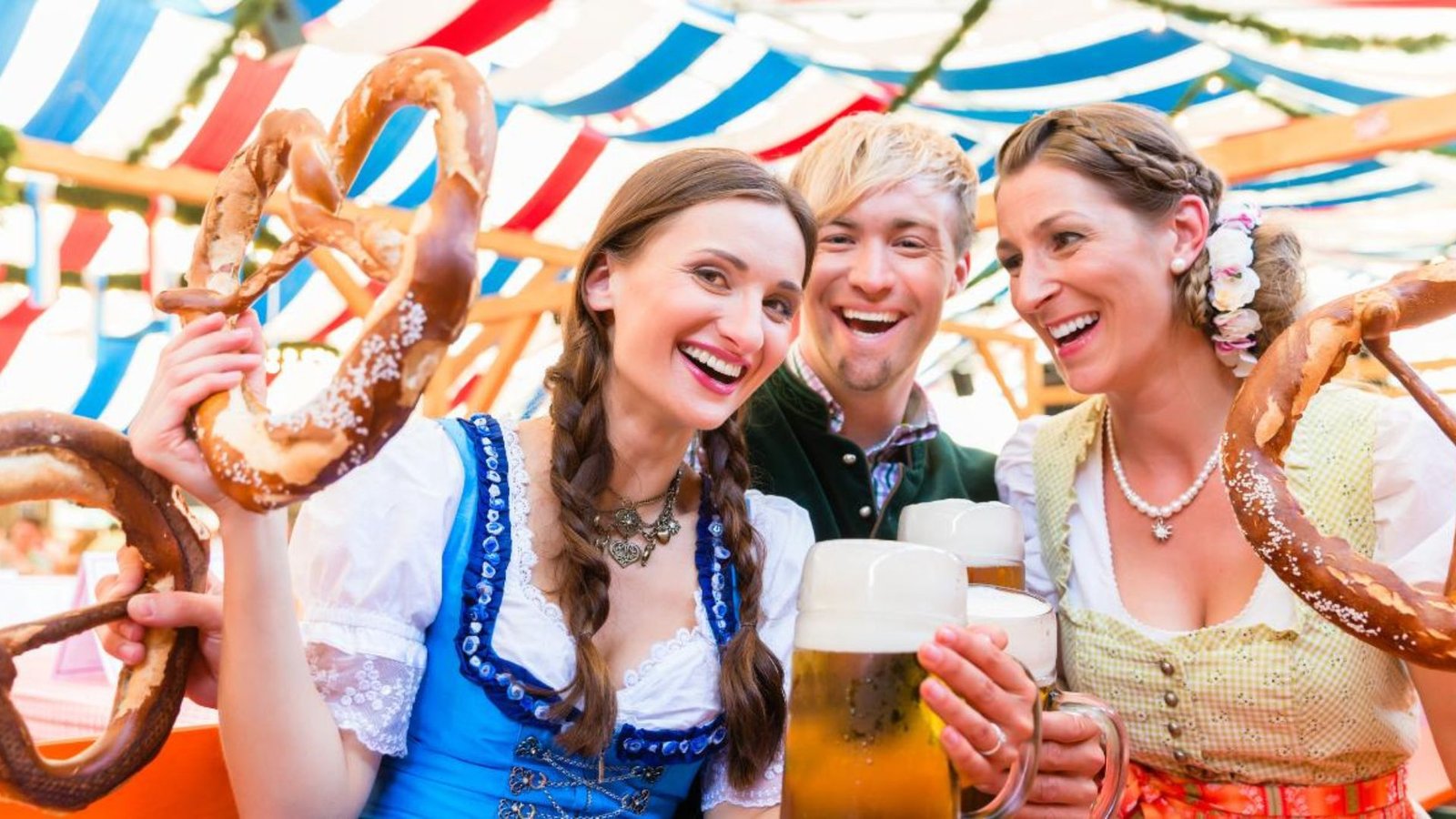
    Oktoberfest is the world’s largest beer festival, held annually in Munich, Germany. This 16 to 18-day event celebrates Bavarian culture, with attendees dressing in traditional lederhosen and dirndls. The festival originated in 1810 as a celebration of the marriage between Crown Prince Ludwig and Princess Therese. Today, it has become an international affair, attracting millions of visitors from all over the world. Beyond beer, Oktoberfest features traditional Bavarian food, music, and fairground rides.

    La Tomatina – Spain

    La Tomatina, held in the town of Buñol in Spain, is a food fight festival unlike any other. Participants gather to throw tomatoes at each other in the streets, creating a scene of chaos and fun. The festival takes place annually on the last Wednesday of August and began as a spontaneous event in the 1940s. Today, it has grown into a globally recognized festival, drawing thousands of visitors. The tomatoes used are overripe and specifically grown for the event, ensuring no food waste.

    Mardi Gras – United States

    Mardi Gras, or Fat Tuesday, is a lively celebration held primarily in New Orleans, Louisiana. It’s known for its colorful parades, masquerade balls, and jazz music. The celebration has French roots, originating from Catholic traditions to indulge before Lent. Today, Mardi Gras in New Orleans features elaborate floats, beads, and costumes, with festivities lasting for weeks leading up to Fat Tuesday. The city comes alive with street performances, parties, and a vibrant display of Creole culture.

    Up Helly Aa – Scotland

    Up Helly Aa is a fire festival held in the Shetland Islands of Scotland to mark the end of the Yule season. This unique festival celebrates the islands’ Viking heritage with participants dressed in Viking costumes, carrying torches in a dramatic parade. The highlight of the event is the burning of a Viking longship, symbolizing the Norse influence on the region. Up Helly Aa takes place in late January and involves singing, dancing, and storytelling well into the night.

    Chinese New Year – China

    Chinese New Year, also known as the Spring Festival, is one of the most important cultural celebrations in China.  Red decorations and envelopes filled with money (hongbao) are common symbols of good luck and prosperity. The celebration lasts for 15 days, with the Lantern Festival marking its conclusion.

    Stay Informed and Enjoy Exciting Games

    Diario El Progreso keeps you updated with the latest news and trends. After catching up on current events, unwind with thrilling kiwi casino games for an exciting online experience. Stay informed and entertained every day!

    Noticias de Actualidad y Experiencias Innovadoras

    Diario El Progreso ofrece información confiable y actualizada a sus lectores en todo momento. En un ámbito diferente, Casino VIP Room Jackpotjill ofrece entretenimiento digital con la misma dedicación y transparencia. Ambos representan calidad y compromiso con su audiencia.

  • How to Plan an International Cultural Festival

    How to Plan an International Cultural Festival

    Planning an international cultural festival can be a rewarding yet challenging experience. It’s an opportunity to bring different cultures together, promote diversity, and create a space for learning and connection. To ensure your event is successful, proper planning and attention to detail are essential. In this article, we’ll walk you through how to plan an international cultural festival step by step, making sure that every aspect of your festival reflects the beauty and diversity of the cultures involved.

    1. Define the Purpose and Goals of the Festival

    The first step in planning an international cultural festival is defining the purpose and goals of your event. Are you aiming to showcase multiple cultures through music, dance, and food, or will the festival focus on one particular culture? Knowing your goals will help guide the planning process and determine the scope of the event.

    How to Plan an International Cultural Festival
    How to Plan an International Cultural Festival

    2. Choose the Right Location

    Selecting the right venue is crucial when planning an international cultural festival. The location should be accessible, spacious, and able to accommodate a large number of attendees. Outdoor venues like parks or large community centers work well for these types of events. Make sure the venue has enough space for stages, booths, and areas where attendees can engage with cultural exhibits or performances.

    3. Plan a Diverse Lineup of Cultural Activities

    A key part of any international cultural festival is offering a variety of activities that showcase different cultures. These could include traditional dances, music performances, art displays, and food stalls. Make sure to include interactive activities where attendees can learn and engage with the culture, such as cooking demonstrations or craft workshops. Having a diverse lineup will ensure that there is something for everyone to enjoy.

    4. Partner with Cultural Organizations and Communities

    To add authenticity and depth to your festival, consider partnering with cultural organizations or local communities. These groups can offer expertise, performers, and resources that highlight the unique aspects of the cultures being represented. Collaborating with these organizations can also help attract a broader audience and lend credibility to the event.

    5. Budget Wisely for the Festival

    When you plan an international cultural festival, creating a detailed budget is essential. Consider costs for the venue, performers, marketing, equipment, and food vendors. Additionally, budget for unforeseen expenses, as events of this scale often encounter last-minute changes. Securing sponsors or charging a small entry fee can help cover some of the costs.

    6. Secure Necessary Permits and Licenses

    Before hosting any large event, including an international cultural festival, you’ll need to check with local authorities about required permits and licenses. This may include health permits for food vendors, entertainment licenses for performances, and security measures for crowd control. Securing these permits early ensures that the festival runs smoothly without legal issues.

    7. Promote the Event Effectively

    Promoting your festival is a key aspect of planning. Use a mix of traditional and digital marketing strategies to reach a wide audience. Social media platforms like Facebook, Instagram, and Twitter are great for spreading the word. Flyers, local radio stations, and community boards are also effective. Make sure to highlight the international aspect of the festival and the variety of cultural experiences attendees can expect.

    8. Arrange for Volunteers and Staff

    A successful international cultural festival requires a strong team of volunteers and staff. You’ll need people to handle logistics, coordinate with vendors and performers, and ensure everything runs smoothly on the day of the event. Assign specific roles and provide training so that everyone knows their responsibilities. Having an organized team will make the event more enjoyable for both attendees and organizers.

    9. Provide Accessible Facilities for All Attendees

    Accessibility is an important consideration when planning an international cultural festival. Make sure the venue is accessible to individuals with disabilities, and provide facilities such as restrooms, seating, and water stations. Offering signage in multiple languages can also help ensure that attendees from different backgrounds feel welcome and included.

    10. Gather Feedback After the Event

    Once your festival is over, gather feedback from attendees, vendors, and participants. This will help you understand what worked well and what could be improved for future events. Surveys, online reviews, and direct conversations are all effective ways to collect feedback. Reflecting on the festival’s success and challenges will help you plan even better events in the future.

    Conclusion

    Planning an international cultural festival requires careful attention to detail, a clear vision, and collaboration with cultural groups and communities. From choosing the right location to offering diverse cultural activities, every aspect of the festival should aim to celebrate and showcase the richness of different traditions. By following these steps, you’ll create a memorable event that fosters understanding and appreciation for cultures from around the world.

  • Ways to Foster Cultural Awareness Through Events

    Ways to Foster Cultural Awareness Through Events

    Promoting cultural awareness through events is a fantastic way to encourage understanding, respect, and appreciation for diverse traditions and customs. Events that highlight different cultures help bridge gaps between communities and bring people together. Whether you’re organizing a festival, workshop, or small gathering, there are many ways to use these events to foster cultural awareness. Let’s look at some of the most effective strategies to achieve this goal.

    1. Organize Multicultural Festivals

    One of the most effective ways to foster cultural awareness through events is by organizing multicultural festivals. These festivals provide a platform where people from different backgrounds can showcase their traditions, food, music, and art. By offering an immersive experience, participants can learn about each other’s cultures in an engaging and interactive setting, which encourages inclusivity and understanding.

    Ways to Foster Cultural Awareness Through Events
    Ways to Foster Cultural Awareness Through Events

    2. Host Cultural Workshops

    Workshops are another excellent way to build cultural awareness through events. Hosting workshops that focus on specific cultural practices, such as traditional cooking, dance, or art, allows participants to engage in hands-on learning. Workshops provide a more in-depth experience and allow attendees to gain insights into the customs and traditions of a particular culture, making the learning process more personal and meaningful.

    3. Invite Guest Speakers from Diverse Backgrounds

    Including guest speakers from different cultural backgrounds in your event is a powerful way to foster cultural awareness. These speakers can share their experiences, history, and insights about their culture with attendees. Personal stories and discussions create a deeper connection between the audience and the culture, helping to break down stereotypes and promote empathy.

    4. Celebrate Cultural Holidays and Traditions

    Another way to promote cultural awareness through events is by celebrating cultural holidays and traditions. Organizing events around holidays like Diwali, Chinese New Year, or Ramadan can provide participants with an opportunity to learn about the significance of these traditions. This fosters a sense of respect and appreciation for different cultures and encourages participants to engage with and understand new customs.

    5. Collaborate with Cultural Organizations

    Collaborating with local cultural organizations is an effective way to enhance your event’s cultural awareness. These organizations have expertise in cultural matters and can help you plan and execute your event in a way that is authentic and respectful. They can also provide resources, performers, or speakers who are well-versed in the culture you are highlighting, ensuring that your event is both educational and meaningful.

    6. Offer Cultural Food Experiences

    Food is a universal language, and offering cultural food experiences at your event is a great way to bring people together. Organizing food stalls or a communal meal featuring dishes from various cultures encourages participants to taste and appreciate different cuisines. This can spark conversations and create a sense of connection, as sharing food is an easy and enjoyable way to introduce people to new cultural experiences.

    7. Promote Cultural Performances

    Cultural performances such as traditional music, dance, and theater can captivate an audience and provide a vivid representation of a culture. Including these performances in your event is a highly engaging way to foster cultural awareness. Performers can also explain the significance behind their acts, providing educational value to the entertainment.

    8. Create Interactive Displays and Exhibits

    Interactive displays and exhibits can be a great way to promote cultural awareness through events. This hands-on approach makes learning more engaging and helps participants better understand the history and traditions of other communities.

    9. Encourage Open Discussions and Dialogues

    Promoting open discussions and dialogues at your event is another effective way to foster cultural awareness. Creating a safe space where participants can ask questions, share their experiences, and discuss cultural differences encourages understanding and reduces misunderstandings. Facilitating open conversations helps to break down barriers and build a sense of community among attendees.

    10. Use Social Media to Promote Cultural Awareness

    Lastly, don’t forget the power of social media when promoting cultural awareness through events. Create event hashtags, share cultural facts, and highlight key moments from the event on your social media platforms. This can extend the reach of your event beyond just the attendees and promote cultural awareness to a broader audience.

    Conclusion

    Fostering cultural awareness through events is an enriching way to bring people together, encourage understanding, and celebrate diversity. By organizing multicultural festivals, hosting cultural workshops, collaborating with cultural organizations, and promoting open discussions, you can create events that inspire learning and mutual respect. Remember, every event is an opportunity to share and celebrate cultural differences. Hence, helping to build a more inclusive and empathetic community.

  • Top 10 Tips for Hosting Cultural Workshops

    Top 10 Tips for Hosting Cultural Workshops

    Hosting cultural workshops is a great way to bring people together to share, learn, and celebrate different traditions and perspectives. These events create an opportunity to explore cultural expressions, encourage inclusivity, and promote mutual understanding. If you’re looking to host a successful cultural workshop, there are key strategies you can follow to ensure your event is engaging, organized, and effective. Let’s get into the top 10 tips for hosting cultural workshops!

    1. Define the Purpose of Your Workshop

    Before hosting cultural workshops, it’s important to have a clear understanding of what you want to achieve. Are you aiming to educate participants about a specific culture, foster dialogue, or provide a platform for cultural expression? Defining the purpose helps you create a focused agenda that aligns with your goals, making the workshop more impactful.

    Hosting Cultural Workshops
    Hosting Cultural Workshops

    2. Choose an Appropriate Venue

    The venue you select for hosting cultural workshops plays a significant role in setting the tone for the event. It should be spacious enough to accommodate your attendees, but also create an intimate atmosphere that fosters interaction. Consider cultural relevance too—some workshops may benefit from being held in culturally significant locations or community centers that represent the culture being highlighted.

    3. Curate Diverse Content

    When hosting cultural workshops, it’s crucial to curate diverse content that reflects the richness of different cultural experiences. Include a variety of activities such as performances, discussions, hands-on activities, and demonstrations. This ensures participants engage with the culture on multiple levels, making the workshop more dynamic and interesting for everyone.

    4. Collaborate with Cultural Experts

    To make your workshop authentic and informative, collaborate with cultural experts. These individuals can provide firsthand knowledge and insight, offering a deeper understanding of the culture you’re showcasing. Having experts as presenters or facilitators also ensures that participants get accurate information and meaningful engagement with the cultural themes presented.

    5. Encourage Active Participation

    One of the keys to successfully hosting cultural workshops is encouraging active participation. Workshops are meant to be interactive, so design activities where attendees can engage, ask questions, and share their own experiences. This makes the workshop more enjoyable and allows participants to connect with the culture on a personal level.

    6. Promote Inclusivity

    When hosting cultural workshops, promoting inclusivity should be a priority. Ensure that your workshop is open and welcoming to individuals from all backgrounds, regardless of their cultural knowledge. Create an environment where everyone feels comfortable asking questions and participating without fear of judgment. Inclusivity fosters richer conversations and a more engaging experience for all attendees.

    7. Provide Educational Materials

    Supplement your workshop with educational materials. Handouts, visual aids, and resource lists can help participants dive deeper into the cultural topics covered in the workshop. Providing these materials enhances the learning experience and allows participants to continue exploring the culture after the event is over.

    8. Plan for Cultural Sensitivity

    Cultural sensitivity is essential when hosting cultural workshops. Be mindful of cultural nuances, traditions, and values, and make sure that your event respects them. This includes understanding proper etiquette, avoiding cultural stereotypes, and ensuring that the event honors the culture being represented. A culturally sensitive approach will ensure that your workshop is respectful and well-received.

    9. Use Social Media to Promote the Event

    Social media is a powerful tool for promoting your cultural workshop and attracting participants. Use platforms like Facebook, Instagram, and Twitter to create buzz and share details about the event. Consider creating a hashtag for your workshop to generate conversation and keep people engaged before, during, and after the event.

    10. Evaluate and Gather Feedback

    After hosting cultural workshops, it’s important to evaluate the event and gather feedback from participants. Ask attendees to share their thoughts on what they enjoyed and what could be improved. This feedback will help you refine future workshops and ensure they continue to meet the needs of your audience.

    Conclusion

    In conclusion, hosting cultural workshops is a rewarding experience that brings people together to learn and celebrate different cultures. By defining your workshop’s purpose, collaborating with cultural experts, encouraging participation, and promoting inclusivity, you can create a successful and impactful event. Remember to be mindful of cultural sensitivity and use feedback to continually improve your workshops. With these tips, hosting cultural workshops will not only be enjoyable but also meaningful for everyone involved.

  • Best Strategies for Managing Cultural Event Budgets

    Best Strategies for Managing Cultural Event Budgets

    Managing cultural event budgets can be a challenging task, but with the right strategies, it becomes much easier. A well-planned budget is essential for the success of any cultural event. Whether it’s a local festival or a large-scale celebration, staying on top of your finances ensures that you can bring your vision to life without overspending. In this guide, we’ll explore the best strategies for managing cultural event budgets efficiently.

    1. Start with a Detailed Budget Plan

    The first step in managing cultural event budgets is creating a detailed budget plan. This plan should list every expected expense, from venue costs to marketing expenses. Being thorough in your planning will give you a clear understanding of how much money you’ll need. Make sure to categorize each cost, including food, entertainment, security, and equipment. A detailed budget plan serves as your roadmap and helps avoid unexpected expenses down the road.

    Managing Cultural Event Budgets
    Managing Cultural Event Budgets

    2. Prioritize Your Spending

    Once you have your budget plan in place, it’s important to prioritize your spending. Not every aspect of the event will require the same amount of resources. Focus on the most important elements of your event, such as the venue and key performers, and allocate more funds to those areas. When managing cultural event budgets, you must identify what is essential to the success of your event and spend accordingly.

    3. Get Sponsorships

    Sponsorships are a great way to ease the burden of managing cultural event budgets. Partnering with local businesses or organizations can help cover some of your costs in exchange for advertising or brand exposure. Sponsors can contribute money, services, or products, helping you stretch your budget further. The more sponsors you attract, the less pressure you’ll feel when it comes to financing your event.

    4. Negotiate with Vendors

    When managing cultural event budgets, always try to negotiate with vendors. Whether it’s catering, sound equipment, or decor, vendors may be willing to offer discounts or package deals if you approach them early and establish a good relationship. Don’t be afraid to ask for lower rates, especially if you’re hosting a large event. Negotiating can help you cut costs and stay within your budget.

    5. Monitor Expenses Closely

    Keeping track of your spending is one of the most crucial steps in managing cultural event budgets. Once the event planning is underway, regularly monitor your expenses to ensure you’re staying within your set budget. Use budgeting tools or spreadsheets to track every payment and purchase. This will prevent overspending and help you identify areas where you can save money.

    6. Have a Contingency Fund

    Unexpected expenses can pop up when you least expect them. To avoid budget shortfalls, it’s important to set aside a contingency fund. This fund should account for about 10-15% of your total budget and can cover emergencies such as equipment malfunctions or last-minute changes. Having this financial cushion in place will make managing cultural event budgets less stressful.

    7. Cut Costs Creatively

    When managing cultural event budgets, it’s important to think creatively to cut costs without sacrificing the quality of the event. For instance, you could opt for local talent instead of high-priced performers, or rent decorations instead of purchasing them. Another way to save is by using volunteers for various tasks, reducing the need for paid staff. By thinking outside the box, you can keep your event under budget while still delivering a memorable experience.

    8. Use Free Marketing Channels

    Promoting your event can be expensive, but there are many free or low-cost marketing channels you can use. Social media platforms like Facebook, Instagram, and Twitter are excellent for spreading the word without draining your budget. Community partnerships, word of mouth, and email newsletters are other ways to promote your event affordably. When managing event budgets, using free marketing methods helps you allocate more funds to other important areas.

    9. Evaluate Past Events

    If you’ve organized events before, take a look at your past budgets to see where you might have overspent or underspent. Analyzing previous events can give you valuable insights into how to better manage cultural event budgets. Learn from past mistakes and successes, and adjust your planning accordingly. This can help you avoid financial pitfalls and ensure a smoother budgeting process for future events.

    10. Post-Event Budget Review

    Once the event is over, conduct a thorough review of your budget. This helps you understand how well you managed cultural event budgets and identifies areas for improvement. Were there any unexpected costs? Did you stay within your budget or overspend? Reviewing your post-event finances gives you a clear picture of your event’s financial health and prepares you for managing future event budgets more effectively.

    Conclusion

    Managing cultural event budgets requires careful planning, regular monitoring, and creativity. By starting with a detailed plan, prioritizing spending, and negotiating with vendors, you can ensure that your event runs smoothly without overspending. Remember to set aside a contingency fund, use free marketing channels, and review past events to improve your budgeting skills. With these strategies, managing cultural event budgets will become much more manageable, ensuring that your event is a success without financial strain.

  • How to Create an Inclusive Cultural Event

    How to Create an Inclusive Cultural Event

    When planning a cultural event, inclusivity should be at the forefront. Creating an inclusive cultural event ensures that everyone feels welcome and respected, regardless of their background or abilities. It’s not just about diversity—it’s about fostering a space where people can participate and feel valued. In this guide, we’ll look at how to create an inclusive cultural event that brings people together while honoring and celebrating different cultures.

    1. Understand Your Audience

    The first step in learning how to create an inclusive cultural event is understanding your audience. You need to know who is attending and what their needs are. This means considering the age, gender, cultural background, and abilities of your participants. Knowing this will help you tailor the event to make it inclusive. For example, if your event caters to a diverse age range, you can incorporate activities that appeal to all age groups.

    How to Create an Inclusive Cultural Event
    How to Create an Inclusive Cultural Event

    2. Ensure Accessibility for All

    Accessibility is a key component of inclusivity. When planning an event, it’s crucial to ensure that your venue is accessible to everyone, including individuals with disabilities. This means having ramps, accessible bathrooms, and seating arrangements that accommodate people with mobility challenges. Additionally, provide sign language interpreters or written translations if needed. By paying attention to accessibility, you can create an inclusive cultural event that truly welcomes everyone.

    3. Represent Multiple Cultures

    Another important factor in how to create an inclusive cultural event is to ensure that multiple cultures are represented. If the event celebrates different cultures, make sure all of them are given equal importance. For example, when organizing performances or exhibits, showcase a diverse range of music, food, and art from various cultures. This helps avoid favoritism and ensures that no one feels left out. Including different traditions shows that your event respects and honors the richness of diversity.

    4. Encourage Participation

    Inclusivity isn’t just about showing diversity—it’s about active participation. Encourage attendees to take part in various activities, workshops, and discussions. You can achieve this by creating opportunities for people to share their experiences, cultural heritage, or stories. When planning how to create an inclusive cultural event, it’s essential to ensure that your attendees can engage with the event and feel involved.

    5. Avoid Stereotypes

    When promoting or organizing the event, it’s essential to avoid cultural stereotypes. Stereotyping can alienate people and lead to a lack of trust in your event’s authenticity. Instead, work with cultural experts or community leaders to ensure that your event accurately represents the various traditions. This step is crucial in creating an inclusive cultural event that fosters understanding and mutual respect.

    6. Provide Safe Spaces

    In order to create an inclusive cultural event, providing safe spaces where people can express themselves freely is necessary. A designated quiet area for those who need a break from the hustle of the event or a place for attendees to discuss sensitive topics can make a huge difference. This ensures that everyone feels safe and comfortable throughout the event. Offering spaces like these shows that you care about the well-being of all your participants.

    7. Use Inclusive Language

    The language you use in event materials, signage, and during the event itself plays a significant role in inclusivity. Ensure that all communication is gender-neutral and culturally sensitive. Avoid phrases that may unintentionally exclude people, and be mindful of how different cultures interpret language. This will help you create an inclusive cultural event where everyone feels respected and understood.

    8. Train Your Team

    The people working at your event need to understand how to foster inclusivity. Train your team to be respectful, open-minded, and sensitive to different cultural needs. Providing your staff with cultural competency training can help them navigate tricky situations and treat attendees with care. This is an essential step in how to create an inclusive cultural event that leaves a positive impression on everyone involved.

    9. Promote Inclusivity in Marketing

    Marketing is a powerful tool that can make or break your event. When advertising your cultural event, be sure to promote inclusivity. Use diverse imagery and language that shows you are creating a welcoming space for everyone. Marketing inclusivity can attract a wider range of attendees and send a clear message that your event is open to all. This is key when learning how to create an inclusive cultural event that resonates with a broad audience.

    Conclusion

    Creating an inclusive cultural event takes thoughtful planning and attention to detail, but the rewards are worth it. By understanding your audience, ensuring accessibility, and fostering participation, you can create an event that brings people together and celebrates diversity. Remember to avoid stereotypes, train your team, and promote inclusivity at every stage of the event. By following these steps, you’ll know exactly how to create an inclusive cultural event that everyone can enjoy and appreciate.

  • Ways of Attracting Sponsors for Cultural Events

    Ways of Attracting Sponsors for Cultural Events

    When organizing cultural events, securing financial backing is essential. Attracting sponsors for cultural events can be the key to success, allowing organizers to bring their vision to life while offering sponsors exposure to a targeted audience. So how can you effectively gain the attention of potential sponsors? Let’s get into some practical strategies that can help attract the right partners for your cultural event.

    1. Understand Your Event’s Value

    Before approaching potential sponsors, it’s crucial to fully understand what your event offers. This includes identifying the specific benefits a sponsor can gain by partnering with your cultural event. Whether it’s brand visibility, access to a particular audience, or community involvement, knowing your event’s value will help you create compelling sponsorship proposals. The clearer you are about what you offer, the easier it becomes to attract sponsors for cultural events.

    Attracting Sponsors for Cultural Events
    Attracting Sponsors for Cultural Events

    2. Target the Right Sponsors

    Finding the right sponsors for your event is key. You want to partner with companies or organizations that align with the cultural aspects of your event. This way, the sponsorship feels like a natural fit, making it easier to form a mutually beneficial relationship. Research businesses or brands that share similar values or have a history of supporting the arts or cultural activities. Attracting sponsors for cultural events requires a strategic approach, and targeting sponsors who align with your event’s mission is the best way to start.

    3. Build Strong Relationships

    Building personal connections with potential sponsors is one of the most effective ways to secure their interest. Attend networking events, industry gatherings, or community functions to establish relationships with key decision-makers. Personal interactions create trust, and trust can lead to sponsorship opportunities. Being proactive in relationship-building can set you apart from other organizers and increase your chances of attracting sponsors for cultural events.

    4. Create an Engaging Proposal

    Once you have identified potential sponsors, the next step is creating a well-crafted sponsorship proposal. Your proposal should clearly outline what your event is about, who your audience is, and most importantly, what the sponsor will gain from their involvement. Make sure the proposal highlights the unique aspects of your event and demonstrates why partnering with you will benefit their brand. A strong proposal is vital in attracting sponsors for cultural events.

    5. Offer Unique Sponsorship Packages

    Instead of offering generic sponsorship packages, customize them to cater to the specific needs and goals of potential sponsors. By offering various sponsorship tiers or creating tailor-made packages, you increase the chances of meeting their expectations. For instance, one sponsor may prefer high visibility through signage, while another may want a more interactive engagement like hosting a booth. Offering flexibility can be a great way of attracting sponsors for cultural events.

    6. Leverage Digital Marketing

    Digital marketing is a powerful tool in modern event planning. Promoting your cultural event online allows you to showcase its potential reach and the benefits of sponsorship. Highlight the number of followers on social media, expected audience size, or engagement rates. These metrics can be impressive to potential sponsors and help convince them that your event offers valuable exposure. Utilizing social media, email campaigns, and event websites can greatly assist in attracting sponsors for cultural events.

    7. Highlight Success Stories

    If you’ve organized events before, don’t hesitate to share success stories. Providing examples of past events that attracted large audiences or had a positive impact on the community can enhance your credibility. Include testimonials from past sponsors if possible, showcasing how their involvement led to success. Demonstrating that you have a track record of organizing successful events is a powerful way of attracting sponsors for cultural events.

    8. Showcase the Cultural Impact

    Sponsors want to be part of events that make a difference. Highlighting the cultural significance of your event can appeal to businesses looking to associate their brand with meaningful community activities. Make sure to emphasize the cultural impact your event will have, whether it’s promoting local artists, celebrating diversity, or preserving cultural heritage. Attracting sponsors for cultural events often involves appealing to their desire to contribute to a greater cause.

    9. Offer Media Exposure

    Sponsors love visibility, and media exposure is one of the best ways to offer that. Whether it’s through traditional media outlets, social media, or event partnerships with influencers, ensuring that your event will receive media attention is a great selling point. Demonstrating that sponsors will get media exposure by partnering with your event can be a compelling way to attract sponsors for cultural events.

    10. Be Professional and Organized

    Finally, professionalism goes a long way when seeking sponsors. Ensure that every interaction with potential sponsors is well-prepared, organized, and professional. Respond to inquiries promptly, provide clear and concise information, and follow up appropriately. Sponsors are more likely to invest in events that are professionally managed. Attracting sponsors for cultural events requires demonstrating that your event will run smoothly and successfully.

    Conclusion

    Attracting sponsors for cultural events can seem like a challenge, but with the right approach, it’s definitely achievable. By understanding your event’s value, building strong relationships, and offering creative sponsorship options, you can secure the financial backing you need. Remember to highlight the unique aspects of your event and always present yourself professionally. With these strategies in place, you’ll be well on your way to attracting the right sponsors for your cultural event.

  • Top Cultural Festivals Around the World

    Top Cultural Festivals Around the World

    If you’re looking for an unforgettable way to experience diverse cultures, attending some of the top cultural festivals around the world is a fantastic option. These festivals offer unique insights into traditions, food, music, and art from different parts of the globe. Whether you’re a seasoned traveler or someone planning a trip, these events are a great way to celebrate the richness of human culture. Let’s get into some of the most exciting cultural festivals from various corners of the world.

    Exploring global cultural festivals reveals fascinating traditions from Rio’s Carnival to India’s Holi. These vibrant celebrations showcase humanity’s rich artistic heritage.

    Just as travelers seek authentic experiences, savvy entertainment enthusiasts value reliable platforms. When discussing international leisure activities, it’s worth noting that some readers might explore options like finding a casinous safe casino bonuses online for digital entertainment.

    Meanwhile, Japan’s Gion Matsuri demonstrates how centuries-old customs continue to thrive alongside modern pastimes, proving cultural appreciation takes many forms across different communities worldwide.

    1. Rio Carnival, Brazil

    When talking about cultural festivals around the world, Rio Carnival always comes to mind. Held in Brazil, this vibrant festival takes place before Lent and is one of the most extravagant celebrations on the planet. Millions of people gather in Rio de Janeiro to enjoy parades, samba music, and colorful costumes. It’s the ultimate expression of Brazilian culture, and the energy of the carnival is infectious.

    Exploring global cultural festivals reveals fascinating traditions from Rio’s Carnival to India’s Holi. These vibrant celebrations showcase humanity’s rich artistic heritage.

    Just as travelers seek authentic experiences, savvy entertainment enthusiasts value reliable platforms. When discussing international leisure activities, it’s worth noting that some readers might explore options like finding a casinous safe casino bonuses online for digital entertainment.

    Meanwhile, Japan’s Gion Matsuri demonstrates how centuries-old customs continue to thrive alongside modern pastimes, proving cultural appreciation takes many forms across different communities worldwide.

    Cultural Festivals Around the World
    Cultural Festivals Around the World

    2. Diwali, India

    Diwali, known as the Festival of Lights, is one of the most important cultural festivals around the world. Celebrated in India and among Hindu communities worldwide, Diwali symbolizes the victory of light over darkness and good over evil. It’s a beautiful celebration of life, love, and togetherness.

    3. Oktoberfest, Germany

    Germany’s Oktoberfest is another one of the most popular cultural festivals around the world. Held annually in Munich, this festival celebrates Bavarian culture with traditional food, music, and, of course, beer. Over six million people from all over the world attend Oktoberfest each year, making it one of the largest folk festivals globally. It’s an event that’s full of fun, history, and lots of camaraderie.

    4. Chinese New Year, China

    Chinese New Year is one of the most significant cultural festivals around the world and is celebrated by millions of people across Asia and the global Chinese diaspora. The festival marks the beginning of the lunar new year and lasts for 15 days. From dragon dances and lantern festivals to delicious feasts, Chinese New Year is a vibrant celebration filled with family traditions and spectacular events.

    5. La Tomatina, Spain

    Spain’s La Tomatina is one of the most unique cultural festivals around the world. Held in Buñol, a small town near Valencia, this festival involves thousands of participants throwing tomatoes at each other in a fun, messy food fight. It’s a day of laughter and excitement, and although the festival only lasts for a few hours, it leaves a lasting impression on all who attend.

    6. Holi, India

    Holi, also known as the Festival of Colors, is a joyful cultural festival around the world that celebrates the arrival of spring and the triumph of good over evil. It is primarily celebrated in India and Nepal, but its popularity has spread globally. During Holi, people throw colored powders at each other, dance to traditional music, and share festive foods. It’s a festival of fun, friendship, and forgiveness.

    7. Mardi Gras, USA

    Mardi Gras, particularly famous in New Orleans, Louisiana, is one of the most exciting cultural festivals around the world. This event is filled with parades, masked balls, and street parties, with a rich history that blends French, Spanish, and African cultures. The vibrant atmosphere of Mardi Gras attracts millions of visitors each year, all eager to join in the fun and festivities.

    8. Día de los Muertos, Mexico

    Mexico’s Día de los Muertos, or Day of the Dead, is a unique and meaningful cultural festival around the world. Celebrated from October 31 to November 2, this holiday honors the deceased with altars, food offerings, and decorated graves. Unlike other festivals, Día de los Muertos is a joyful occasion where families come together to remember loved ones in a colorful and heartwarming way.

    9. St. Patrick’s Day, Ireland

    People of Irish descent and others celebrate Irish culture with parades, traditional music, and lots of green decorations. It’s a day filled with pride, joy, and celebration of Irish heritage.

    10. Edinburgh Festival Fringe, Scotland

    The Edinburgh Festival Fringe is the largest arts festival in the world and a significant cultural festival around the world.  The Fringe is a celebration of creativity and diversity, offering something for everyone.

    Conclusion

    Attending cultural festivals around the world is a wonderful way to experience new traditions and connect with people from different backgrounds. From the energetic streets of Rio during Carnival to the serene glow of Diwali lights in India, each festival has its own charm and significance. Whether you want to immerse yourself in a food fight in Spain or honor the dead in Mexico, these festivals offer a rich tapestry of culture, art, and human connection. Plan your travels around these events to enjoy unforgettable cultural experiences.

  • 10 Tips for Hosting Virtual Cultural Events

    10 Tips for Hosting Virtual Cultural Events

    In today’s digital world, hosting virtual cultural events has become more common than ever. Whether you want to showcase cultural performances, highlight traditions, or bring communities together, the virtual space offers a great platform. However, ensuring that a virtual event runs smoothly requires careful planning and execution. In this article, we’ll share 10 essential tips to help you successfully host virtual cultural events, so your audience has a meaningful and enjoyable experience.

    1. Choose the Right Platform

    When hosting virtual cultural events, selecting the right platform is critical. Depending on your event’s size and the kind of interactions you want to facilitate, you may need a platform like Zoom, Google Meet, or Microsoft Teams. For larger audiences, consider platforms that allow live streaming, like YouTube or Facebook Live. Be sure that the platform has the right features to accommodate your needs, such as chat functions, screen sharing, and breakout rooms.

    Hosting Virtual Cultural Events
    Hosting Virtual Cultural Events

    2. Test Your Technology in Advance

    Technical glitches can disrupt even the most well-planned event. To avoid this, test all equipment ahead of time. Ensure that your internet connection is stable, and check that your video and audio systems are working perfectly. This step is crucial when hosting virtual cultural events because technical problems can lead to delays and frustrate participants.

    3. Engage Your Audience

    Audience engagement is one of the key factors when hosting virtual cultural events. Use interactive features such as live polls, Q&A sessions, and chat rooms to keep participants engaged. Including cultural quizzes or inviting audience members to share their own cultural experiences can make the event more dynamic and inclusive.

    4. Incorporate Visual and Audio Elements

    To keep things interesting, incorporate a mix of visual and audio content into your event. For example, when showcasing performances or presentations, use high-quality images, videos, and music that reflect the cultural theme. These elements will make your virtual event more immersive and enjoyable for your audience.

    5. Plan a Detailed Agenda

    Having a clear and detailed agenda is vital for hosting virtual cultural events. Ensure that every segment of the event is well-organized, and inform your attendees about the schedule in advance. This includes highlighting key moments, like performances or guest speakers, and scheduling enough time for each activity.

    6. Promote Your Event

    To ensure the success of your virtual cultural event, proper promotion is essential. Use social media, email campaigns, and community platforms to spread the word. Clearly communicate the event’s purpose, time, and how participants can join. Promotion is key to attracting a diverse audience and ensuring your event is well-attended.

    7. Encourage Cultural Participation

    A virtual event doesn’t have to be a one-way presentation. Encourage active cultural participation from your audience. You can invite participants to dress in traditional attire, share cultural stories, or even perform a cultural dance. This interaction fosters a sense of community and makes the virtual event feel more engaging and authentic.

    8. Provide Technical Support

    Not everyone may be familiar with the technical side of virtual events. To ensure a smooth experience, offer technical support throughout the event. Create a help guide or designate team members to assist participants who may encounter difficulties with joining or navigating the platform. This is especially important when hosting virtual cultural events, as technology should never stand in the way of cultural exchange.

    9. Record the Event for Future Use

    Recording your virtual cultural event allows those who couldn’t attend live to watch it later. It also provides valuable material for future promotion and documentation. Share the recording on social media or via email to extend the reach of your event and keep the cultural exchange going.

    10. Gather Feedback for Improvement

    After the event, gather feedback from attendees to find out what went well and what could be improved. Send out surveys or request comments through the chat feature. Feedback helps you understand your audience’s experience, ensuring that your next virtual cultural event is even better.

    Conclusion

    Hosting virtual cultural events requires thoughtful planning, creativity, and technical know-how. By following these best practices, you can create an engaging, well-organized virtual event that allows participants to enjoy and appreciate different cultures from the comfort of their homes. With careful attention to detail and audience engagement, your virtual event will be a memorable experience that fosters cultural exchange.