Category: Economic Development

  • Public-Private Partnerships for Development

    Public-Private Partnerships for Development

    Public-private partnerships (PPPs) have become a vital tool for driving development, especially in infrastructure, education, healthcare, and energy sectors. These collaborations bring together the strengths of both the public and private sectors, creating innovative solutions for complex societal challenges. This post explores how PPPs contribute to development and their growing importance in emerging economies.

    Business partners shaking hands
    Public-Private Partnerships for Development

    What Are Public-Private Partnerships?

    Public-private partnerships are cooperative agreements between government agencies and private companies. The goal is to finance, build, or manage projects that benefit the public, while the private sector takes on a significant role in implementation. This collaboration enables the pooling of resources, expertise, and risk-sharing, ensuring more efficient project execution.

    PPPs are particularly effective in large-scale infrastructure projects, such as roads, bridges, hospitals, and energy grids. By leveraging the private sector’s expertise and capital, governments can address budget constraints while delivering essential services and facilities.

    Infrastructure Development Through PPPs

    Infrastructure is often the most visible area where public-private partnerships thrive. In developing countries, governments frequently face challenges in funding large infrastructure projects due to limited budgets. PPPs offer a solution by attracting private investment to cover construction, management, and maintenance costs.

    In many cases, private companies are incentivized to invest because they can charge fees or tolls, generating revenue from the projects. For instance, toll roads, airports, and ports built through PPPs often operate under concession agreements where private companies run the infrastructure for a set period before transferring ownership back to the government.

    Through these partnerships, infrastructure development becomes more feasible, reducing project delays and improving public access to critical services. Ultimately, this accelerates economic development and raises living standards in underdeveloped regions.

    Healthcare and Education Initiatives

    In addition to infrastructure, public-private partnerships are transforming the healthcare and education sectors. Governments can collaborate with private companies to expand access to essential services without shouldering the entire financial burden. In healthcare, PPPs are instrumental in building hospitals, improving medical facilities, and ensuring the availability of advanced technologies. These partnerships often ensure that public hospitals benefit from better management, equipment, and specialized services, which improves patient care.

    In education, public-private partnerships are helping to bridge the gap between demand and supply. For example, governments may partner with private entities to build schools, provide educational technologies, or offer skill development programs. This helps address issues of accessibility and quality in public education systems.

    Sustainability and Energy Projects

    PPPs are also critical in addressing the need for sustainable development, particularly in energy and environmental sectors. Governments collaborate with private companies to develop renewable energy projects, such as wind farms, solar power plants, and hydroelectric facilities. These partnerships are essential for transitioning to cleaner energy sources while maintaining economic growth.

    Moreover, PPPs in the environmental sector often focus on waste management, water purification, and sustainable urban development. As countries adopt climate change goals, such partnerships help integrate green technologies and practices at a larger scale, promoting long-term sustainability.

    Challenges in Public-Private Partnerships

    While PPPs offer several benefits, they are not without challenges. One major issue is the complexity of negotiating agreements that balance the interests of both the public and private sectors. If the terms are not clearly defined, projects may face delays, cost overruns, or mismanagement. Governments must ensure that private companies are held accountable for delivering public value, and not just profits.

    Additionally, public-private partnerships can face opposition from communities if they are perceived to prioritize corporate interests over public good. For this reason, transparency and community engagement are crucial to building trust and ensuring that PPP projects serve the broader population.

    The Future of PPPs in Development

    Public-private collaboration are becoming increasingly important in the global development landscape. As emerging markets continue to grow, the need for infrastructure, healthcare, education, and energy will also expand. PPPs provide a path forward for meeting these demands efficiently, while also creating economic opportunities and fostering innovation.

    By leveraging the strengths of both sectors, PPPs can bridge gaps in development, enhance public services, and drive sustainable growth. Governments and private companies alike must continue to refine their partnerships to maximize these benefits, ensuring that future projects meet the needs of the people they serve.


  • Economic Development in Emerging Markets

    Economic development in emerging markets plays a pivotal role in shaping the global economy. These regions, characterized by rapid growth, evolving infrastructures, and increasing foreign investments, are crucial drivers of innovation and progress. This post will explore the key factors that contribute to economic development in emerging markets and how they influence global economic trends.

    The Role of Foreign Investment in Economic Growth

    Foreign direct investment (FDI) is a cornerstone of economic development in emerging markets. These investments bring much-needed capital, technology, and expertise to developing regions. Multinational corporations often seek opportunities in emerging markets due to lower labor costs and untapped consumer bases, leading to job creation and enhanced productivity.

    FDI stimulates the local economy by fostering business growth and innovation. It also encourages the development of infrastructure such as roads, telecommunications, and energy grids, which are essential for sustained economic growth. Moreover, as businesses expand, local suppliers and smaller businesses benefit from increased demand, creating a ripple effect that drives overall development.

    Infrastructure Development: The Backbone of Growth

    Infrastructure development is critical for the economic advancement of emerging markets. Roads, railways, airports, and ports provide the necessary connectivity for businesses to operate efficiently. Inadequate infrastructure can be a significant barrier to growth, limiting access to global markets and hindering domestic business activities.

    Governments in emerging markets are increasingly prioritizing infrastructure investments, often through public-private partnerships (PPPs) and international collaborations. As countries build and modernize their infrastructure, they improve the ease of doing business, attract more foreign investors, and create a foundation for long-term economic growth.

    The Impact of Technology on Emerging Economies

    Technology adoption is a major driver of economic development in emerging markets. From mobile banking solutions to e-commerce platforms, technology is helping to bridge gaps in access to financial services, markets, and education. For instance, mobile payment systems have revolutionized how people in regions like Sub-Saharan Africa and Southeast Asia conduct transactions, enabling greater financial inclusion.

    Additionally, digital technologies provide businesses in emerging markets with tools to scale and reach global audiences. Cloud computing, AI, and data analytics are empowering companies to streamline operations, reduce costs, and innovate in ways that were previously out of reach. This technological leap is fueling entrepreneurship and spurring the growth of startups, which in turn stimulates local economies.

    Education and Skill Development

    Education is another critical component of economic development in emerging markets. A well-educated workforce is essential for attracting investment, fostering innovation, and driving productivity. Many emerging markets are focusing on improving education systems and vocational training to develop a skilled labor force that can meet the demands of modern industries.

    Investment in education also contributes to social mobility, helping individuals lift themselves out of poverty and contribute more effectively to the economy. Countries that prioritize education and skill development are better positioned to compete in the global marketplace and attract high-value industries, such as technology and manufacturing.

    Challenges Facing Emerging Markets

    Despite their potential, emerging markets face several challenges in achieving sustainable economic development. Political instability, corruption, and regulatory uncertainty can deter investment and slow progress. Additionally, many emerging economies rely heavily on exports of raw materials, making them vulnerable to fluctuations in global commodity prices.

    Another challenge is income inequality, which can limit the benefits of economic growth to a small portion of the population. To address these challenges, governments must focus on creating transparent regulatory environments, diversifying their economies, and implementing policies that promote inclusive growth.

    Conclusion

    Growth in developing economies is a dynamic and complex process that holds immense potential for global economic growth. Through foreign investment, infrastructure development, technological adoption, and education, these regions are transforming into powerful engines of growth. While challenges remain, the opportunities for economic progress are vast, making emerging markets a key focus for investors and policymakers alike.

  • Tourism’s Influence on Economic Stability

    Tourism’s Influence on Economic Stability

    Tourism plays a vital role in driving economic stability for many countries and regions. As one of the fastest-growing industries globally, tourism supports job creation, boosts local businesses, and stimulates infrastructural development. This post will explore how tourism contributes to economic stability and the key factors that ensure its sustainability.

    woman traveling
    Tourism’s Influence on Economic Stability

    Job Creation and Income Generation

    Tourism significantly impacts employment rates, especially in regions heavily reliant on visitor activity. From hotels and restaurants to tour operators and transportation services, tourism creates a wide range of job opportunities. These jobs, in turn, provide income for locals, contributing to their overall economic well-being.

    As tourism grows, the demand for skilled and unskilled workers rises, resulting in employment across multiple sectors. This income generation has a trickle-down effect, as workers spend their earnings locally, supporting other industries such as retail and entertainment.

    Boosting Local Businesses

    Tourism has a direct influence on the success of local businesses. From souvenir shops to artisanal products, tourism opens up markets for locally made goods, benefiting small and medium-sized enterprises (SMEs). Visitors often seek unique experiences and products that reflect the culture of the destination, which fosters the growth of niche businesses.

    Additionally, tourism promotes entrepreneurship. The constant influx of tourists creates demand for innovative services and experiences, encouraging locals to start their own businesses. This entrepreneurial spirit strengthens the local economy by diversifying the industries present in the region.

    Infrastructure Development

    Infrastructure development is a key aspect of tourism’s influence on economic stability. Governments and private investors are often motivated to improve transportation systems, accommodations, and public facilities to attract and retain tourists. These improvements not only benefit visitors but also enhance the quality of life for local residents.

    For instance, building new airports, upgrading roads, and expanding public transportation make travel more accessible, which, in turn, attracts more tourists. This development also improves connectivity for local businesses and residents, making the entire region more economically resilient.

    Foreign Exchange and Investment

    Tourism brings in valuable foreign exchange, which is essential for countries that rely on imports. Tourists spend money on services, accommodation, and local products, bringing in foreign currency that strengthens the national economy. For many developing countries, this influx of foreign exchange is a major contributor to economic stability.

    Moreover, successful tourism sectors often attract foreign direct investment (FDI). Investors are drawn to regions where tourism is thriving, leading to the development of resorts, restaurants, and entertainment venues. These investments not only enhance the tourism experience but also create new economic opportunities for the local population.

    Diversification of the Economy

    Tourism serves as a valuable tool for economic diversification, especially for regions dependent on a single industry. For example, countries reliant on agriculture or natural resources can use tourism as a way to reduce their vulnerability to market fluctuations. By developing a strong tourism sector, regions can create a more balanced economy that is less dependent on one source of income.

    Diversifying the economy through tourism also provides a buffer during global economic downturns. While other sectors may suffer, tourism can continue to bring in revenue, helping to maintain economic stability during uncertain times.

    Challenges to Sustainable Tourism

    While tourism offers many benefits, it can also pose challenges to long-term economic stability if not managed properly. Over-tourism can strain resources, damage the environment, and create infrastructure bottlenecks. Additionally, regions overly dependent on tourism are vulnerable to external factors such as global economic crises, political instability, or natural disasters, which can lead to sudden declines in visitor numbers.

    To ensure tourism’s positive impact on economic stability, it is essential to focus on sustainability. This involves implementing responsible tourism practices that protect natural and cultural resources, investing in infrastructure that can handle large visitor numbers, and creating policies that diversify the economy beyond tourism.

    Conclusion

    Tourism’s influence on economic stability is undeniable. Through job creation, local business growth, infrastructure development, and the influx of foreign exchange, tourism helps build a strong, diversified economy. However, ensuring that tourism remains a stable and sustainable source of economic growth requires careful planning and management. By embracing responsible tourism practices, regions can secure long-term economic benefits and protect their local environment and culture.

  • Economic Challenges in Rural Areas

    Economic Challenges in Rural Areas

    Rural areas face unique economic challenges that hinder their growth and development. These challenges often result from limited access to infrastructure, reduced job opportunities, and underinvestment in key services. In this post, we’ll explore these economic obstacles and discuss potential strategies to address them.

    Economic Challenges in Rural Areas
    Economic Challenges in Rural Areas

    Limited Job Opportunities

    One of the most significant economic challenges in rural areas is the lack of diverse job opportunities. Many rural economies are highly dependent on specific industries such as agriculture, mining, or manufacturing. When these sectors experience a downturn, the resulting job losses have a profound impact on the local community, with few alternative employment options available. Additionally, high-skilled jobs are scarce, leading to a “brain drain” as educated individuals move to urban areas in search of better opportunities.

    Poor Infrastructure

    Infrastructure is another critical issue for rural areas. Without well-maintained roads, bridges, and reliable public transportation, the movement of goods and services becomes inefficient. This lack of connectivity affects local businesses, limiting their ability to expand and compete with urban markets. Moreover, many rural areas face limited access to high-speed internet, which is crucial for modern businesses and education. The digital divide puts rural regions at a disadvantage in the global economy, slowing economic progress.

    Limited Access to Education and Healthcare

    Access to quality education and healthcare is a significant barrier in rural areas. With fewer schools, medical facilities, and specialized services, rural communities often suffer from lower educational attainment and poorer health outcomes. The lack of educational resources restricts residents from acquiring skills that are critical for economic development. Similarly, limited healthcare options result in a less productive workforce, contributing to long-term economic stagnation.

    Aging Population and Workforce Decline

    Many rural areas experience a declining and aging population. As younger residents move to cities in search of better opportunities, the remaining workforce consists of older individuals who may be unable to sustain economic growth. An aging population also places additional strain on healthcare systems, further exacerbating the economic challenges these regions face.

    Challenges in Attracting Investment

    Investment is essential for economic development, yet rural areas often struggle to attract it. Businesses and investors are hesitant to invest in regions with limited infrastructure, a shrinking workforce, and a small consumer base. Without significant investment, rural areas find it difficult to diversify their industries, develop new job opportunities, or improve public services. This cycle of underinvestment further entrenches economic struggles.

    Addressing Rural Economic Challenges

    To tackle rural economic issues, rural areas require targeted intervention and support. Investments in infrastructure, such as better roads, improved public transportation, and expanded broadband access, can enhance connectivity and attract businesses. Supporting local entrepreneurship and small businesses can also stimulate job growth and diversify the local economy.

    Education and training programs focused on developing in-demand skills can help prepare the rural workforce for new opportunities, while telemedicine and online education can improve access to healthcare and learning. Additionally, encouraging public-private partnerships and government incentives can draw more investment to these regions, fostering long-term economic development.

    Conclusion

    The economic challenges faced by rural areas are complex but not insurmountable. With strategic investments in infrastructure, education, healthcare, and industry diversification, rural communities can overcome these obstacles and create sustainable economic growth. By addressing these key issues, rural regions can secure a more prosperous future for their residents.

  • Strategies for Rebuilding Economies After a Natural Disaster

    Strategies for Rebuilding Economies After a Natural Disaster

    Rebuilding economies after a natural disaster can be a long and complex process, but it’s crucial for recovery and growth. When disaster strikes, it can disrupt entire communities, displace people, and bring economic activities to a halt. Developing effective strategies to rebuild the economy is key to helping affected regions bounce back. Below, we’ll outline some strategies that are essential in rebuilding economies after a natural disaster.

    Assessing Damage and Setting Priorities

    The first step in rebuilding economies after a natural disaster is to assess the extent of the damage. Governments and organizations need to conduct a thorough analysis of the affected areas to determine which sectors of the economy were hit the hardest. Once this assessment is complete, it’s important to set priorities for rebuilding. Focusing on essential services like healthcare, infrastructure, and utilities should come first, as these are crucial for daily life and economic stability. Understanding the scope of damage allows for informed decisions when allocating resources.

    Rebuilding Economies After a Natural Disaster
    Rebuilding Economies After a Natural Disaster

    Restoring Infrastructure Quickly

    Infrastructure is the backbone of any economy, and when a natural disaster destroys roads, bridges, and communication systems, businesses struggle to operate. Restoring infrastructure should be a top priority in rebuilding economies after a natural disaster. Without proper infrastructure, transporting goods, providing services, and rebuilding communities becomes nearly impossible. Governments and international aid organizations must focus on quickly repairing transportation networks, electricity grids, and water supply systems to help businesses resume operations.

    Providing Financial Support to Local Businesses

    Another critical strategy in rebuilding economies after a natural disaster is providing financial support to local businesses. Small businesses, in particular, often suffer the most during disasters and may lack the financial reserves to recover. Governments can offer grants, low-interest loans, and tax breaks to help these businesses get back on their feet. By supporting local businesses, economies can recover faster as jobs are restored, and money starts flowing back into the community.

    Encouraging Private Sector Involvement

    Private sector involvement plays a significant role in rebuilding economies after a natural disaster. Governments should encourage businesses to participate in recovery efforts by offering incentives such as tax breaks or public-private partnerships. Large corporations with the resources to help can make significant contributions by investing in infrastructure, creating jobs, or donating to recovery funds. When the private sector is involved, it speeds up the rebuilding process and reduces the financial burden on governments.

    Investing in Disaster-Resilient Infrastructure

    While rebuilding economies after a natural disaster, it’s essential to invest in disaster-resilient infrastructure. Natural disasters may strike again, and it’s crucial to build infrastructure that can withstand future events. Investing in stronger buildings, flood-resistant roads, and resilient power systems will reduce the risk of severe economic damage in the future.

    Providing Employment and Job Training

    In the aftermath of a natural disaster, many people may lose their jobs or businesses. A key strategy for rebuilding economies after a natural disaster is providing employment opportunities and job training programs. Governments and organizations can create short-term jobs in construction, infrastructure repair, and disaster recovery efforts. At the same time, offering job training programs helps people develop new skills needed in the rebuilding process, creating a more skilled workforce for the long-term recovery of the economy.

    Rebuilding Key Sectors of the Economy

    Some sectors of the economy are more vital than others in the aftermath of a natural disaster. Tourism, agriculture, and manufacturing are often severely affected and need immediate attention. Rebuilding these sectors should be a priority when recovering from a disaster. For example, if a region relies heavily on tourism, restoring tourist attractions, hotels, and transportation will be key to getting the economy back on track. Identifying and focusing on key sectors helps ensure that the local economy recovers efficiently.

    Engaging the Community in Recovery Efforts

    Community engagement is a vital part of rebuilding economies after a natural disaster. Local residents know their needs best, and involving them in the planning process ensures that recovery efforts align with the community’s priorities. Governments should work closely with local leaders, businesses, and citizens to develop recovery plans that reflect the needs of the people. This engagement also builds trust and helps ensure that recovery efforts are sustainable in the long run.

    Securing International Aid and Partnerships

    Rebuilding economies after a natural disaster often requires more resources than a single government can provide. Securing international aid and partnerships is a critical strategy for long-term recovery. International organizations, foreign governments, and nonprofits can provide financial assistance, expertise, and personnel to help in recovery efforts. By leveraging these partnerships, affected regions can accelerate rebuilding efforts and gain access to resources that would otherwise be unavailable.

    Conclusion

    Rebuilding economies after a natural disaster requires careful planning, cooperation, and long-term investment. By focusing on restoring infrastructure, supporting businesses, and investing in resilient development, economies can bounce back stronger and more prepared for future challenges. The strategies outlined above offer a roadmap for effective economic recovery and growth after disaster strikes.

  • Tips for Understanding Economic Development Incentives

    Tips for Understanding Economic Development Incentives

    Understanding economic development incentives is crucial for businesses and communities aiming to grow and thrive. These incentives are often offered by governments to attract investments, create jobs, and stimulate economic activity. By understanding how these incentives work, businesses can better take advantage of opportunities to lower costs and improve their long-term sustainability. Below are key tips for understanding economic development incentives in full detail.

    Understanding the Purpose of Economic Development Incentives

    The first step in understanding economic development incentives is knowing why they exist. Governments at various levels—local, state, and federal—offer incentives to encourage businesses to invest in specific areas. These incentives can range from tax breaks to grants or subsidies, all aimed at promoting economic growth, job creation, and infrastructure development. For businesses, these incentives lower the cost of investment and operation, making it easier to expand or relocate.

    Understanding Economic Development Incentives
    Understanding Economic Development Incentives

    Identifying Types of Economic Development Incentives

    There are different types of economic development incentives available to businesses. Understanding these types can help you identify which one fits your needs. Common incentives include tax abatements, which reduce property or sales taxes, and infrastructure support, where governments invest in roads, utilities, or public services near your business. Other incentives might include workforce training programs, financial grants, or low-interest loans designed to support specific industries.

    How to Qualify for Economic Development Incentives

    Qualifying for economic development incentives often requires meeting specific criteria set by the government or local agencies. For instance, a business may need to create a certain number of jobs, invest a minimum amount in the community, or commit to staying in the area for a specified number of years. Understanding these requirements is key to taking advantage of the incentives, so it’s important to research what’s available and what qualifications are necessary.

    The Role of Local Governments in Incentives

    Local governments play a significant role in offering economic development incentives. They often provide customized packages tailored to the needs of a business or industry. In many cases, local governments will negotiate directly with businesses to create deals that benefit both parties. Understanding how local governments work and who to contact is essential when seeking economic development incentives. This approach allows businesses to form relationships that can lead to favorable agreements.

    Balancing Short-Term Benefits with Long-Term Growth

    When understanding economic development incentives, it’s important to balance short-term benefits with long-term growth. While incentives like tax abatements may offer immediate financial relief, businesses should consider whether they align with their long-term goals. For example, an incentive might help a company reduce upfront costs, but the business must also plan for its continued success after the incentive expires. Businesses should ensure the incentive leads to sustainable growth, rather than just short-term savings.

    Evaluating Incentives Based on Industry Needs

    Different industries require different types of support. For instance, manufacturing businesses might benefit more from infrastructure support, while technology firms may need research grants or talent recruitment incentives. Understanding the specific needs of your industry is critical when evaluating economic development incentives. By choosing the right incentives, businesses can ensure they receive the most value for their particular goals and challenges.

    Understanding Compliance and Reporting

    Most economic development incentives come with specific compliance requirements. Governments often require businesses to report on their progress, whether it’s through job creation numbers, investment levels, or other performance metrics. Understanding these reporting requirements is crucial, as failure to comply can result in losing the incentive altogether. Businesses should ensure they have the right systems in place to track their performance and meet compliance standards.

    Seeking Expert Advice

    Understanding economic development incentives can be complex, especially when dealing with multiple levels of government and various programs. Seeking expert advice from economic development agencies, consultants, or legal professionals can help businesses navigate the process effectively. These experts can assist in identifying the right incentives and ensuring that all legal and compliance aspects are met, which helps businesses make informed decisions.

    Maximizing the Benefits of Multiple Incentives

    In many cases, businesses can qualify for multiple economic development incentives from different government sources. Understanding how to combine these incentives can significantly enhance their impact. For instance, a company might receive tax credits from the state while also benefiting from local grants or federal training programs. By exploring all available options, businesses can maximize the benefits they receive, leading to more robust economic development.

    Conclusion

    Understanding economic development incentives is a critical step for businesses looking to expand or invest in new communities. By knowing the purpose of these incentives, identifying their types, and understanding how to qualify, businesses can make smarter decisions. Working with local governments, seeking expert advice, and evaluating long-term impacts can further ensure that these incentives are used effectively to boost both short-term success and long-term growth.

  • Public-Private Partnerships in Economic Development

    Public-Private Partnerships in Economic Development

    Public-private partnerships in economic development are vital for fostering growth and innovation within communities. These collaborations between government entities and private businesses offer a way to pool resources, share risks, and achieve goals that benefit both sectors. Below are key approaches to developing successful public-private partnerships (PPP) that can significantly boost economic development.

    Identifying Common Goals

    The first step in public-private partnerships in economic development is identifying common goals. Both the public and private sectors need to align their objectives for the partnership to work effectively. Governments typically aim for job creation, infrastructure improvement, or community growth, while private companies seek profitability and long-term business success. By agreeing on shared outcomes, both parties can work together efficiently toward economic development.

    Public-Private Partnerships in Economic Development
    Public-Private Partnerships in Economic Development

    Establishing Clear Roles and Responsibilities

    For a public-private partnership to thrive, each party must have a clear understanding of their roles and responsibilities. This ensures transparency and accountability throughout the project. In economic development initiatives, the public sector often provides regulatory frameworks, funding, or land, while the private sector offers expertise, technology, and innovation. Clearly defined roles help avoid misunderstandings and keep the partnership on track.

    Leveraging Private Sector Innovation

    One of the major advantages of public-private partnerships in economic development is the ability to leverage private sector innovation. Private businesses can introduce new technologies and innovative solutions that government bodies may not have the capacity to develop on their own. This boosts efficiency and can lead to more successful outcomes, particularly in infrastructure, housing, and public service projects.

    Focusing on Long-Term Sustainability

    Sustainability should be at the core of any public-private partnership in economic development. Both the government and private companies should focus on creating projects that have long-term benefits for the community. Whether building infrastructure or supporting local businesses, ensuring sustainability guarantees that these efforts contribute to continued economic development for years to come.

    Ensuring Transparent Communication

    Open and transparent communication is essential for public-private partnerships to succeed. Both parties need to maintain consistent communication throughout the project’s life cycle, from planning and development to execution and maintenance. This open dialogue fosters trust and ensures that any challenges or changes are addressed promptly, keeping the partnership aligned with its goals.

    Utilizing Public Funding and Private Investment

    A key approach in public-private partnerships in economic development is the smart use of public funding combined with private investment. Public funds, such as grants or subsidies, can be used to incentivize private businesses to invest in local projects. In return, these businesses bring additional capital, expertise, and innovation to the table, creating a win-win situation for economic growth.

    Mitigating Risks

    Both the public and private sectors face risks in economic development projects, from financial losses to project delays. Public-private partnerships help mitigate these risks by distributing them between the two parties. For instance, the government may provide financial security or regulatory support, while the private sector handles the project’s technical and operational risks. This balance can lead to more successful outcomes.

    Encouraging Community Involvement

    Public-private partnerships in economic development work best when they engage the local community. Community involvement ensures that the projects meet the actual needs of the people they are intended to benefit. This can be achieved through public consultations, surveys, and open forums. By including the community in the decision-making process, both the public and private sectors can create more impactful and sustainable development initiatives.

    Creating Legal and Regulatory Frameworks

    A strong legal and regulatory framework is essential to protect the interests of both the public and private sectors in any partnership. Governments must ensure that laws and regulations are in place to support the partnership and provide a secure environment for private investment. This framework should also address dispute resolution, risk management, and performance monitoring to ensure the project runs smoothly.

    Evaluating and Monitoring Progress

    Finally, ongoing evaluation and monitoring are crucial for the success of public-private partnerships in economic development. Regular assessments help identify potential issues early on and ensure that the project is moving toward its goals. By setting clear performance metrics and conducting regular reviews, both the public and private sectors can make informed adjustments to keep the partnership effective.

    Conclusion

    Public-private partnerships in economic development offer a powerful way to combine resources, expertise, and innovation for the benefit of communities. By identifying common goals, establishing clear roles, leveraging private sector innovation, and focusing on long-term sustainability, these partnerships can significantly boost economic development. With transparent communication, smart use of public funding, and active community involvement, public-private partnerships can create lasting economic growth that benefits everyone involved.

  • Ways to Boost Local Manufacturing for Economic Development

    Ways to Boost Local Manufacturing for Economic Development

    Local manufacturing plays a crucial role in driving economic development. By strengthening this sector, communities can create jobs, enhance innovation, and stimulate regional growth. Here’s how to effectively boost local manufacturing for economic development and make your area a thriving hub for industry.

    Fostering a Supportive Business Environment

    Creating a supportive business environment is key to boosting local manufacturing for economic development. Start by simplifying regulations and reducing bureaucratic hurdles. Streamline the process for starting and operating a manufacturing business to make it easier for local entrepreneurs and attract new manufacturers to the area.

    Local Manufacturing for Economic Development
    Local Manufacturing for Economic Development

    Investing in Infrastructure

    Investing in infrastructure is essential for local manufacturing growth. Ensure that your area has reliable transportation, modern utilities, and high-speed internet. Adequate infrastructure supports manufacturing operations and helps businesses operate efficiently, which in turn attracts more manufacturing investments.

    Offering Financial Incentives

    Financial incentives can play a significant role in encouraging local manufacturing. Consider providing tax breaks, grants, or subsidies to businesses that set up or expand their manufacturing operations in your region. These incentives can lower the initial investment costs and make your area more appealing to manufacturers.

    Promoting Workforce Development

    A skilled workforce is vital for local manufacturing success. Invest in education and training programs that align with the needs of the manufacturing sector. Partner with local schools and vocational institutions to create programs that provide the necessary skills for the manufacturing jobs of tomorrow.

    Encouraging Innovation and Technology

    Embracing innovation and technology can greatly benefit local manufacturing. Support research and development (R&D) initiatives and encourage businesses to adopt advanced technologies. Offering resources for innovation, such as tech incubators or innovation hubs, can help local manufacturers stay competitive and drive economic development.

    Strengthening Supply Chains

    A strong supply chain is crucial for efficient manufacturing. Work on building a robust network of suppliers and logistics partners. By ensuring that local manufacturers have access to reliable and cost-effective supplies, you can enhance their operational efficiency and attractiveness to investors.

    Enhancing Market Access

    Improving market access can boost local manufacturing by opening up new sales opportunities. Support local manufacturers in accessing both domestic and international markets. This can be achieved through trade shows, export assistance programs, and marketing support to help local products gain visibility and reach new customers.

    Building Strong Industry Clusters

    Creating industry clusters can be an effective way to stimulate local manufacturing. By clustering related businesses in a specific area, you can foster collaboration, share resources, and create a competitive advantage. Encourage businesses to form partnerships and networks to enhance their collective strength and market position.

    Implementing Sustainable Practices

    Promoting sustainability in manufacturing can attract environmentally-conscious investors and customers. Encourage local manufacturers to adopt green practices and invest in energy-efficient technologies. Not only does this help the environment, but it also positions your region as a forward-thinking hub for sustainable manufacturing.

    Providing Business Support Services

    Offering comprehensive business support services is essential for local manufacturers. Provide resources such as business advisory services, legal assistance, and access to funding. By offering these support services, you can help local manufacturers overcome challenges and succeed in their endeavors.

    Conclusion

    Boosting local manufacturing for economic development involves a multifaceted approach. By fostering a supportive business environment, investing in infrastructure, offering financial incentives, and promoting workforce development, you can create a thriving manufacturing sector. Encouraging innovation, strengthening supply chains, enhancing market access, and building industry clusters further support this growth. Implementing sustainable practices and providing robust business support services will also contribute to a successful and dynamic local manufacturing industry. Together, these strategies can help drive significant economic development in your area.

  • How to Encourage Foreign Direct Investment

    How to Encourage Foreign Direct Investment

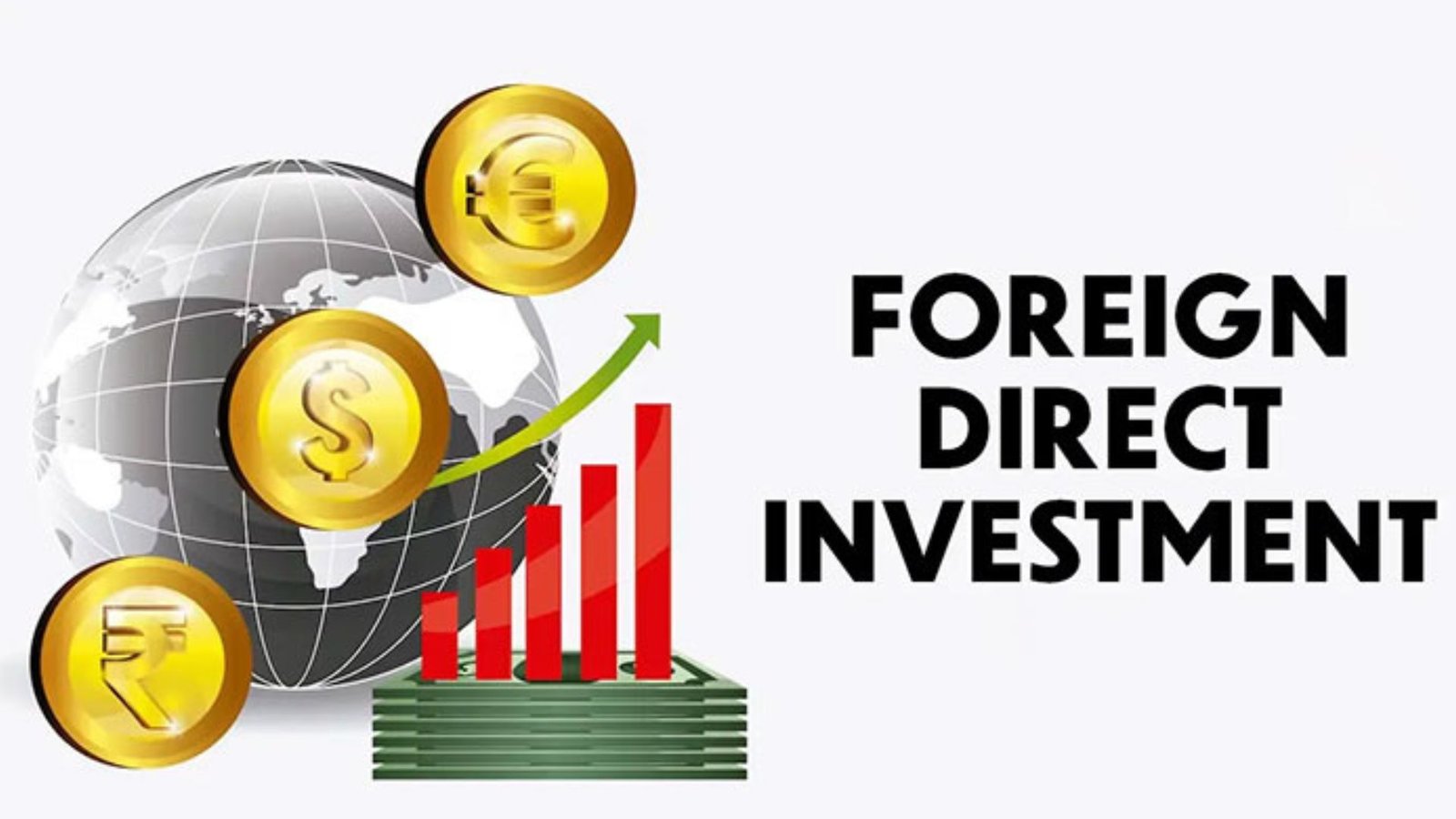
    Encouraging foreign direct investment (FDI) is vital for boosting economic growth and creating job opportunities. By attracting investment from international sources, regions can gain access to new technologies, expertise, and markets. Here’s how you can effectively promote FDI and make your area an attractive destination for global investors.

    Understand the Benefits of Foreign Direct Investment

    To effectively attract FDI, it’s crucial to understand its benefits. Foreign direct investment brings capital into the local economy, creates jobs, and introduces new technologies and business practices. Additionally, it helps improve infrastructure and boosts exports. Recognizing these advantages helps in crafting strategies to attract investors.

    As nations develop strategies to attract foreign direct investment, understanding diverse economic drivers becomes crucial. While traditional sectors like manufacturing and technology remain primary targets, entertainment industries also contribute significantly to economic diversification. For instance, platforms like Jokaviproom Casino Login demonstrate how digital entertainment ventures can generate substantial revenue streams and employment opportunities. This multifaceted approach to investment promotion helps create resilient economies capable of weathering global market fluctuations.

    How to Encourage Foreign Direct Investment
    How to Encourage Foreign Direct Investment

    Create a Favorable Business Environment

    Creating a favorable business environment is essential for encouraging foreign direct investment. Simplify regulations, reduce bureaucratic red tape, and offer incentives like tax breaks or grants. Streamlining the process for starting and running a business makes your location more appealing to international investors.

    Develop Infrastructure and Facilities

    Investors are more likely to commit to regions with robust infrastructure. Ensure that your area has reliable transportation networks, modern facilities, and advanced technology. Good infrastructure not only supports business operations but also enhances the overall attractiveness of the region.

    Offer Financial Incentives

    Offering financial incentives is a powerful way to attract foreign direct investment. Consider providing tax incentives, subsidies, or grants to investors. These financial benefits can reduce the initial costs of investment and increase the appeal of your region to potential investors.

    Promote Stability and Transparency

    Political and economic stability is crucial for encouraging foreign direct investment. Investors seek environments where their investments are safe from unexpected changes or risks. Promote transparency in government policies and business practices to build trust and reassure potential investors.

    Invest in Workforce Development

    A skilled and educated workforce is a key factor in attracting FDI. Invest in education and training programs to ensure that your local talent pool meets the needs of international companies. Highlight the availability of skilled workers when promoting your region to potential investors.

    Market Your Region Effectively

    Effective marketing is essential for attracting foreign direct investment. Develop a comprehensive marketing strategy that showcases the strengths and opportunities of your region. Use various channels, including trade shows, online platforms, and investment seminars, to reach a global audience.

    Build Relationships with International Investors

    Building strong relationships with international investors can significantly enhance your efforts to attract FDI. Attend international business events, engage with foreign investment agencies, and establish partnerships with global business networks. These connections can lead to valuable investment opportunities.

    Provide Support and Services for Investors

    Once investors arrive, providing ongoing support is crucial. Offer services such as business advisory, legal assistance, and help with navigating local regulations. Ensuring that investors receive the support they need can improve their experience and increase the likelihood of further investment.

    Monitor and Evaluate Investment Opportunities

    Regularly monitor and evaluate investment opportunities to stay competitive. Track the success of your FDI strategies and make adjustments as needed. Understanding what works and what doesn’t will help you refine your approach and continue attracting valuable foreign investments.

    Conclusion

    Encouraging foreign direct investment is essential for fostering economic growth and development. By creating a favorable business environment, developing infrastructure, offering financial incentives, and promoting stability, you can make your region more attractive to international investors. Additionally, investing in workforce development, effective marketing, relationship building, and investor support further enhances your chances of success. Monitoring and evaluating your strategies will help you stay on track and continue to attract valuable foreign investments.

  • Economic Development Policies for Cultural Events

    Economic Development Policies for Cultural Events

    Cultural events play a vital role in economic development by attracting visitors, creating jobs, and enhancing community life. Implementing effective economic development policies for cultural events can maximize these benefits and drive growth. This article explores key policies and strategies for leveraging cultural events to stimulate local economies and support community development.

    Economic Development Policies for Cultural Events
    Economic Development Policies for Cultural Events

    Key Policies for Supporting Cultural Events

    Funding and Financial Support

    One of the most critical aspects of supporting cultural events is ensuring adequate funding. Policies in this area might include:

    • Grants and Subsidies: Providing financial assistance to event organizers helps cover costs such as venue rental, marketing, and artist fees. This support can be crucial for events that might not otherwise be financially viable.
    • Tax Incentives: Offering tax breaks or credits for businesses that sponsor cultural events encourages private sector investment. This can help offset event costs and increase community involvement.
    • Public-Private Partnerships: Collaborating with private entities to co-fund and organize events leverages additional resources and expertise. These partnerships can enhance the scale and impact of cultural activities.

    Infrastructure and Venue Development

    Investing in infrastructure and venues is essential for hosting successful cultural events. Policies may include:

    • Upgrading Facilities: Improving or constructing new venues such as theaters, galleries, and event spaces ensures that cities can accommodate large-scale cultural events. Modern facilities attract higher-profile events and provide better experiences for attendees.
    • Accessible Public Spaces: Developing accessible public spaces, such as parks and plazas, supports outdoor events and community gatherings. These spaces should be designed to handle large crowds and provide amenities like seating and restrooms.
    • Transport and Parking: Enhancing transportation options and parking facilities around event venues improves accessibility for visitors. This includes investing in public transit routes, bike lanes, and parking structures.

    Marketing and Promotion

    Effective marketing and promotion are crucial for attracting visitors to cultural events. Policies in this area might involve:

    • Tourism Campaigns: Launching targeted tourism campaigns to promote cultural events can draw visitors from outside the city. These campaigns can include digital advertising, travel brochures, and partnerships with tourism agencies.
    • Community Engagement: Engaging local communities in promoting events encourages grassroots support. Policies might involve leveraging local media, social media platforms, and community organizations to spread the word about upcoming events.
    • Event Calendars: Creating and maintaining centralized event calendars helps promote cultural activities and allows residents and tourists to easily find information about events happening in the area.

    Benefits of Cultural Event Policies

    Economic Growth

    Policies supporting cultural events contribute to economic growth by:

    • Attracting Tourists: Cultural events draw visitors from other regions, who spend money on accommodations, food, and entertainment. This influx of spending stimulates local businesses and generates additional revenue.
    • Creating Jobs: Organizing and managing cultural events create job opportunities in areas such as event planning, hospitality, and security. These jobs contribute to the local economy and support employment.

    Community and Social Impact

    Cultural events also have significant social benefits:

    • Community Engagement: Events bring people together and foster a sense of community. They provide opportunities for social interaction and cultural exchange, enhancing community cohesion.
    • Cultural Enrichment: Supporting cultural events enriches local cultural life and provides residents with access to diverse cultural experiences. This contributes to a vibrant and dynamic community.

    Urban Revitalization

    Investing in cultural events can lead to urban revitalization:

    • Improved Infrastructure: Developing and upgrading venues and public spaces enhances the overall urban environment. This can lead to increased property values and attract further investment in the area.
    • Increased Visibility: Successful cultural events can raise the profile of a city or neighborhood, making it more attractive to tourists, investors, and potential residents.

    Challenges and Solutions

    Funding Constraints

    Securing sufficient funding can be a challenge. Solutions include:

    • Diversified Funding Sources: Exploring various funding options, such as grants, sponsorships, and crowdfunding, helps ensure financial stability for cultural events.
    • Sponsorship Programs: Developing sponsorship programs that offer benefits to businesses, such as advertising opportunities, can attract additional support.

    Balancing Development and Gentrification

    Revitalization efforts can sometimes lead to gentrification. Policies to address this include:

    • Affordable Housing: Ensuring that urban development includes affordable housing options helps prevent displacement of lower-income residents.
    • Inclusive Planning: Involving community members in planning processes ensures that development benefits all residents and addresses their needs.

    Managing Crowds and Logistics

    Handling large crowds and logistical issues requires careful planning:

    • Event Management: Implementing effective event management strategies, including crowd control and safety measures, ensures smooth operation and enhances the attendee experience.
    • Infrastructure Planning: Adequate planning for transportation, parking, and public amenities supports the successful execution of large-scale events.

    Conclusion

    In summary, economic development policies for cultural events play a crucial role in boosting local economies, enhancing community engagement, and supporting urban revitalization. By focusing on funding, infrastructure, marketing, and managing challenges, cities can maximize the benefits of cultural events and contribute to sustainable growth.

    Effective policies ensure that cultural events not only enrich local cultural life but also drive economic development, create job opportunities, and improve the overall quality of life for residents. By leveraging these strategies, communities can harness the full potential of cultural events for long-term success.