Category: Cultural Events

  • Economic Development Through Cultural Events

    Economic Development Through Cultural Events

    Cultural events play a vital role in our communities. They are not just fun; they also help local economies grow. The economic development through cultural events is significant. From festivals to art shows, these gatherings can attract visitors and create jobs. Let’s take a closer look at how cultural events boost economic growth!
    Economic Development Through Cultural Events
    Economic Development Through Cultural Events

    Boosting Local Businesses

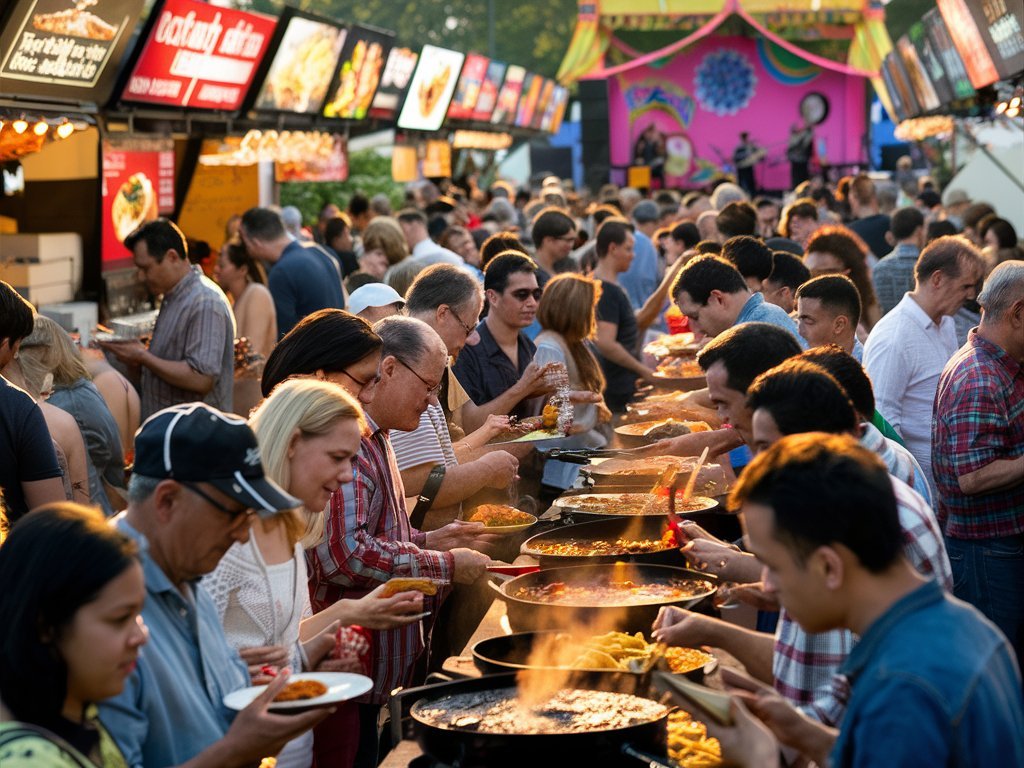
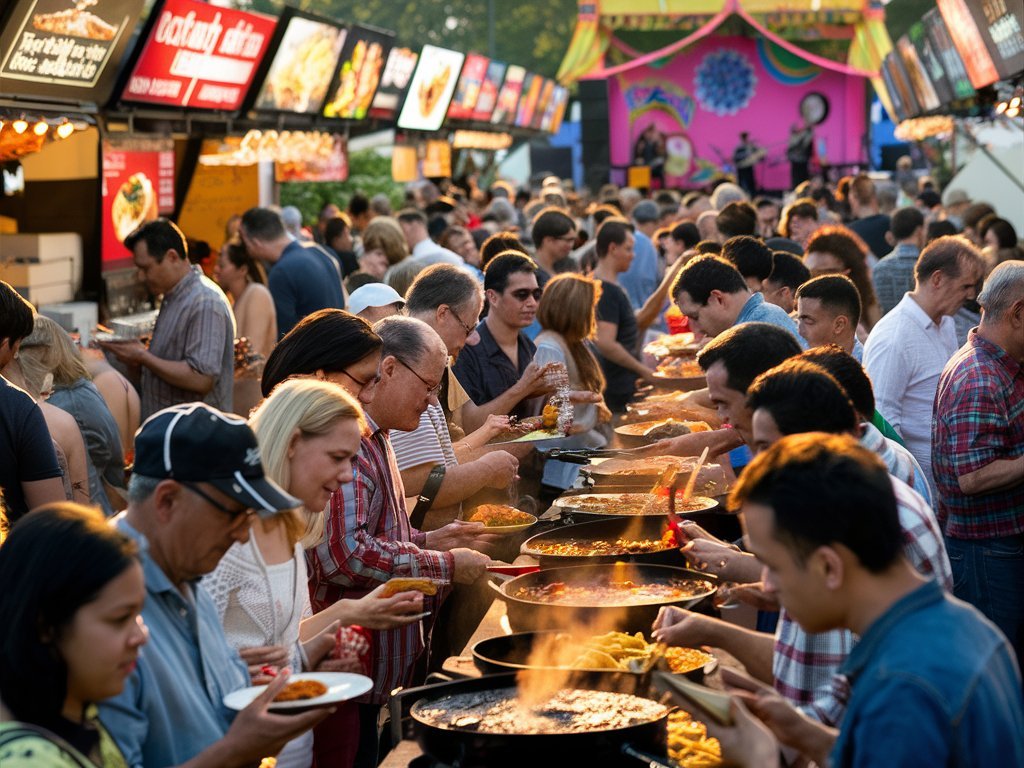
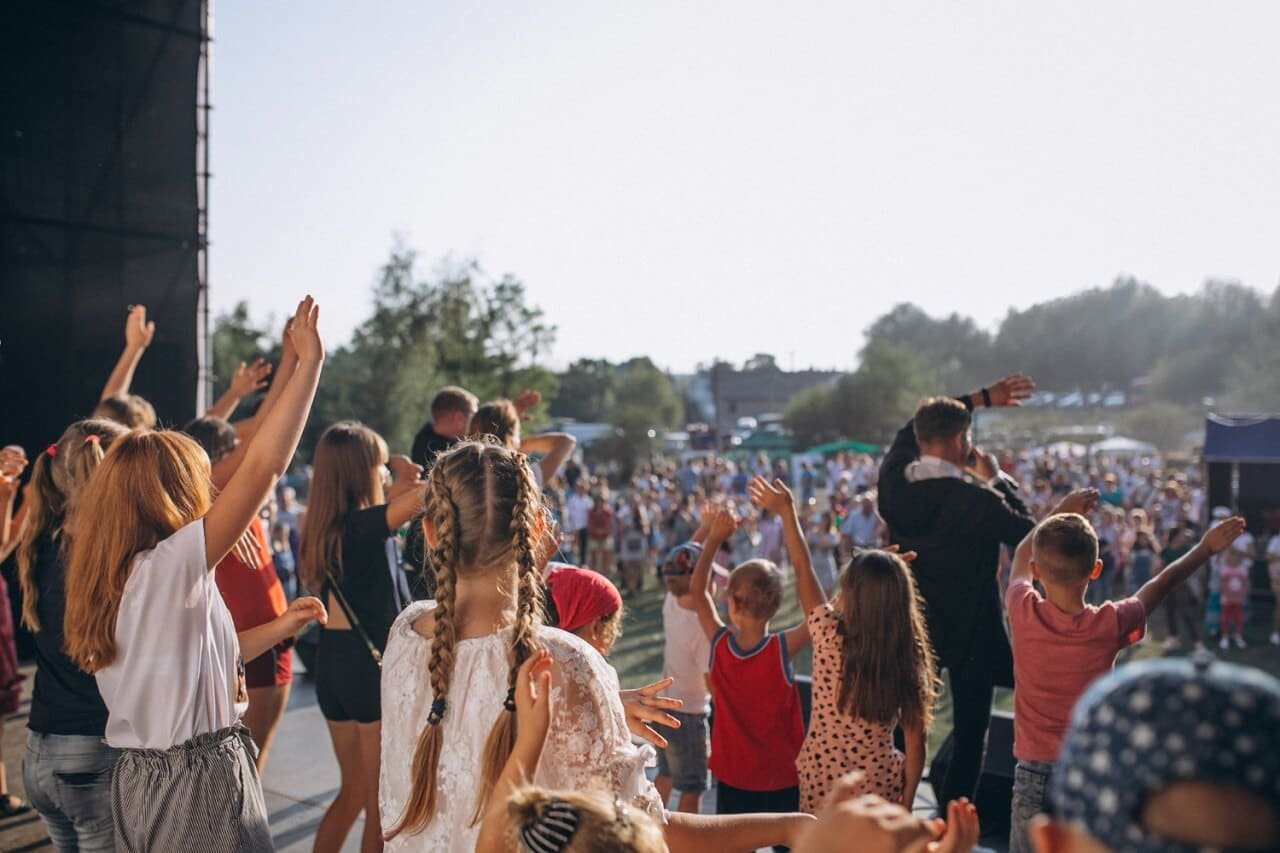
    One major way cultural events help the economy is by boosting local businesses. When people attend events, they often spend money on food, drinks, and souvenirs. This spending supports local restaurants, shops, and vendors. For example, a music festival might bring thousands of visitors, leading to increased sales for nearby cafes and stores.

    Moreover, cultural events can encourage tourism. Tourists come to experience unique local traditions and events. As a result, hotels and transportation services also benefit. Therefore, the economic development through cultural events creates a cycle of growth for local businesses.

    Job Creation

    In addition to boosting sales, cultural events create jobs. Organizing an event requires many workers, such as planners, security staff, and volunteers. These jobs are often temporary but provide valuable experience. Furthermore, local artists and performers gain opportunities to showcase their talents. This not only helps them financially but also enriches the cultural fabric of the community.

    Moreover, as events grow, they often lead to permanent job opportunities in tourism and event management. Thus, cultural events contribute to long-term employment in the area.

    Attracting Investment

    Cultural events can also attract investment. When a community hosts successful events, it gains visibility. This can lead to interest from investors who want to develop the area further. For example, a city known for its annual arts festival might attract new galleries and studios. This, in turn, leads to more job opportunities and economic growth.

    Additionally, businesses might decide to sponsor events to promote their brand. This sponsorship can provide funding for the event and further boost local economic development. The economic development through cultural events fosters a sense of pride and encourages further investment.

    Strengthening Community Identity

    Cultural events also strengthen community identity. They bring people together and celebrate local traditions. This sense of belonging can encourage residents to invest in their community. When people feel proud of their culture, they are more likely to support local businesses and initiatives.

    Furthermore, events can attract new residents who appreciate the vibrant community life. This can lead to an increase in population, which further supports economic growth. Therefore, cultural events play a crucial role in creating a strong community identity.

    Challenges and Considerations

    While cultural events have many benefits, there are challenges too. For instance, organizing large events can be expensive and time-consuming. Cities need to plan carefully to ensure events are successful and sustainable. They must also consider the impact on local residents, such as noise and traffic.

    Moreover, not all cultural events are profitable. Some may struggle to attract enough attendees or sponsorships. Therefore, it’s essential for organizers to promote events effectively and engage the community.

    Despite these challenges, the economic development through cultural events is largely positive. With proper planning and community involvement, these events can thrive.

    Conclusion: A Bright Future Ahead

    In conclusion, the economic development through cultural events is a powerful force for local economies. By boosting businesses, creating jobs, attracting investment, and strengthening community identity, cultural events contribute significantly to economic growth.

    As we move forward, communities should continue to embrace and support these events. With careful planning and community engagement, cultural events can lead to a brighter economic future for all. Let’s celebrate our culture and enjoy the benefits it brings to our communities!

  • Tech Impact on Cultural Events

    Tech Impact on Cultural Events

    Technology plays a big role in our lives today. One important area where we see this is in cultural events. The tech impact on cultural events is huge. From music festivals to art exhibitions, technology changes how we enjoy and participate in these events. Let’s explore how tech makes cultural events better and more exciting!

    Tech Impact on Cultural Events
    Tech Impact on Cultural Events

    How Technology Enhances Experiences

    First, let’s talk about how technology enhances our experiences at cultural events. For instance, many festivals now use apps. These apps help us find schedules, maps, and food options easily. Because of this, we don’t waste time searching around. Instead, we can focus on enjoying the event!

    Moreover, live streaming is another great tech impact on cultural events. Many people can’t attend in person. But with live streaming, they can watch from home. This means more people can enjoy the event, no matter where they are. As a result, cultural events reach a larger audience.

    Connecting Communities

    In addition to enhancing experiences, technology also helps connect communities. Social media plays a key role here. When events happen, people share photos and videos online. This creates excitement and encourages others to join in. Thus, the tech impact on cultural events goes beyond the event itself. It brings people together and builds a sense of community.

    Furthermore, online ticket sales have made attending events easier. We can buy tickets from our phones in just a few clicks. Because of this, more people feel encouraged to participate in cultural events. As a result, attendance often increases, making events more vibrant and lively.

    Interactive Features at Events

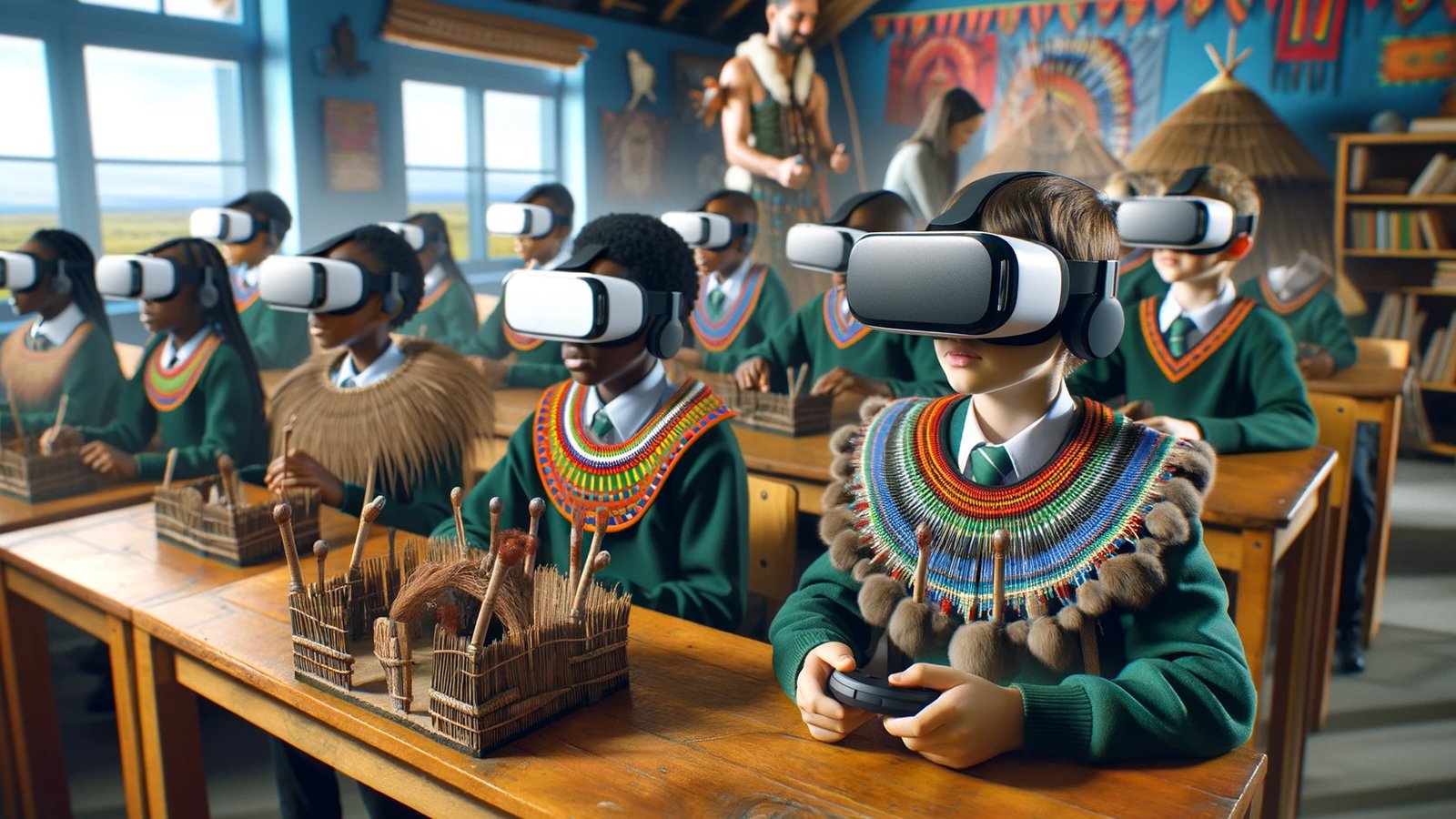
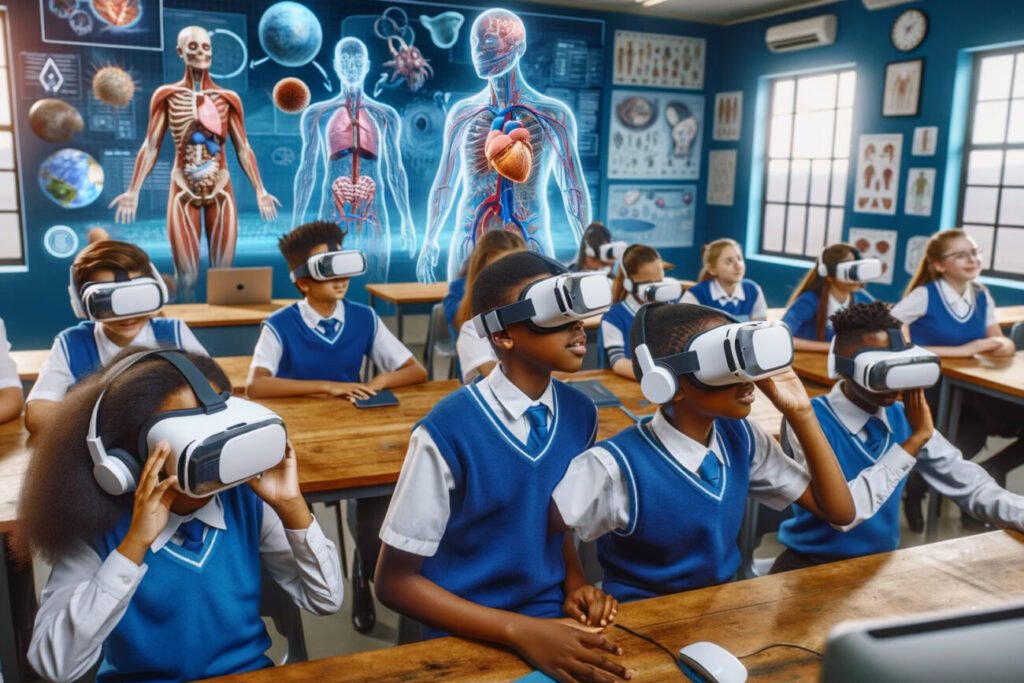
    Another way technology impacts cultural events is through interactive features. Many festivals now have virtual reality (VR) and augmented reality (AR) experiences. For example, at art exhibitions, visitors can use AR apps to see extra information about the artwork. This makes the experience more engaging and informative.

    Additionally, some music festivals offer interactive stages. These stages use lights and screens that change based on audience reactions. This kind of technology creates a unique atmosphere. Therefore, the tech impact on cultural events allows us to feel more involved and connected to the performers.

    Improving Accessibility

    Accessibility is another important area where technology helps cultural events. Some people have difficulties attending events due to physical challenges. However, technology helps solve these issues. For instance, many venues now offer live captions and sign language interpreters. These features ensure everyone can enjoy the event.

    Moreover, some organizations create virtual events. This allows people who cannot travel to still participate. As a result, the tech impact on cultural events ensures that everyone can join in, regardless of their situation.

    Challenges of Technology in Cultural Events

    Despite the many benefits, there are challenges too. For example, not everyone has access to the latest technology. This can create a divide between those who can participate fully and those who cannot. Therefore, organizers need to think about how to make events more inclusive.

    Additionally, reliance on technology can sometimes backfire. If the internet goes down or a system crashes, it can disrupt the entire event. To address this, organizers must have backup plans in place. Thus, while the tech impact on cultural events is mostly positive, it is essential to be prepared for unexpected issues.

    Conclusion: Embracing the Future

    In conclusion, the tech impact on cultural events is significant and mostly beneficial. Technology enhances our experiences, connects communities, and improves accessibility. However, it also brings challenges that organizers need to address. As we move forward, it is essential to embrace technology while also ensuring everyone can enjoy cultural events. By doing so, we can create more vibrant and inclusive experiences for all.

  • Top Impact of Globalization on Local Festivals

    Top Impact of Globalization on Local Festivals

    Globalization, the interconnectedness of the world through trade, communication, and technology, has significantly influenced local festivals. While this global interaction has brought many benefits, it has also led to changes in how local traditions are celebrated. Let’s explore the various impacts of globalization on local festivals and understand how they are evolving in this interconnected world.

    Fusion of Traditions and Cultures

    Globalization has led to a blending of traditions and cultures, resulting in unique and diverse festival experiences.

    Introduction of International Elements

    One noticeable impact of globalization is the incorporation of international elements into local festivals. For example, traditional festivals like Diwali in India now feature global cuisines and entertainment alongside traditional rituals. Similarly, local European festivals might include food stalls from various countries, offering a mix of cultural experiences. This fusion creates a vibrant and diverse festival atmosphere that appeals to both locals and international visitors.

    Cultural Exchange and Enrichment

    The blending of different cultural elements enriches local festivals. By introducing global practices, local communities gain exposure to new ideas and traditions. This cultural exchange fosters greater understanding and appreciation of different ways of life. For instance, local arts and crafts fairs may now feature global artists and their work, creating a rich tapestry of artistic expression that benefits everyone involved.

    Top Impact of Globalization on Local Festivals
    Top Impact of Globalization on Local Festivals

    Commercialization and Tourism Impact

    The influence of globalization has also led to increased commercialization and tourism at local festivals.

    Growth of Tourism and Economic Boost

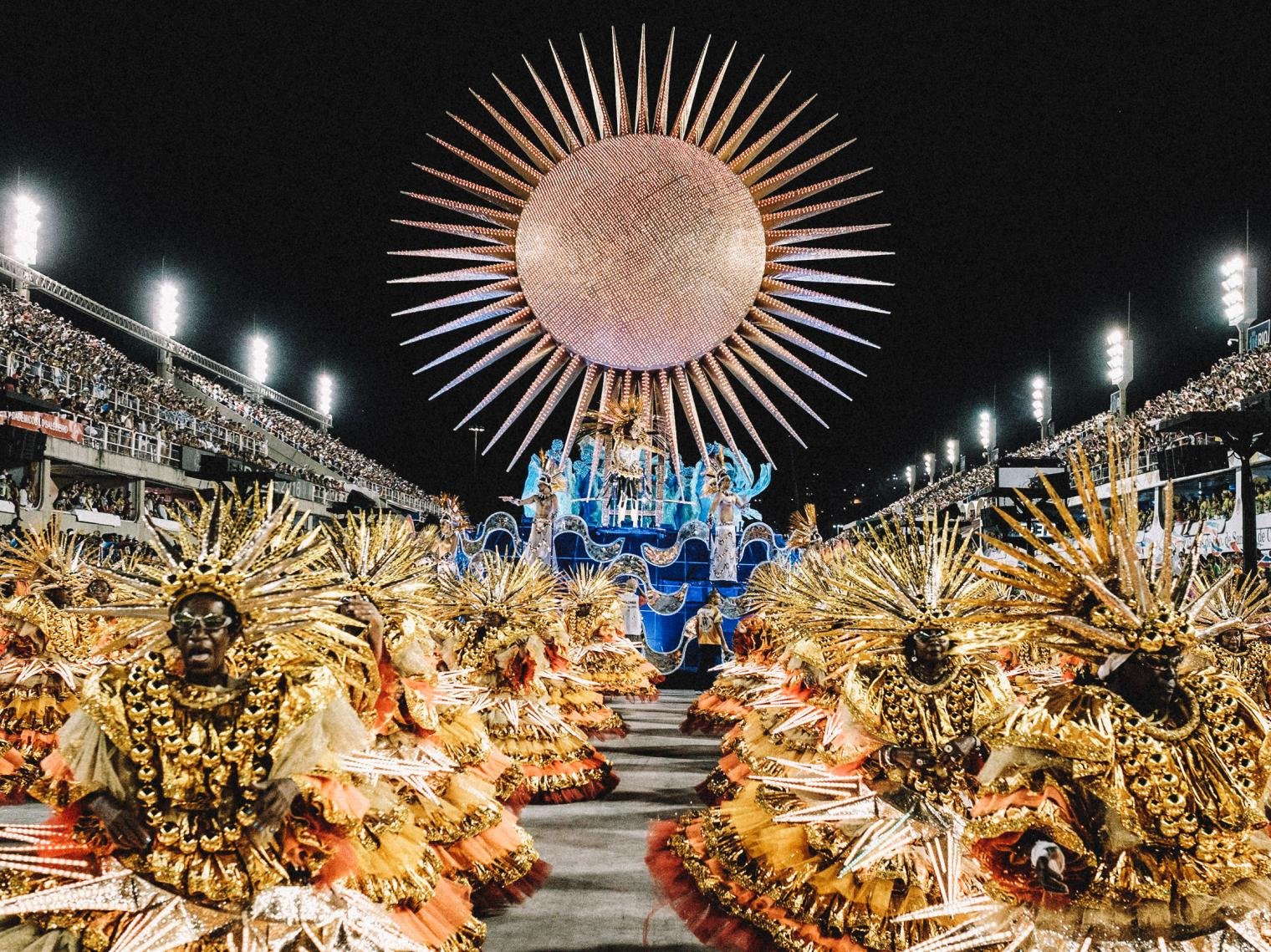
    As festivals gain international recognition, they attract tourists from around the world. This influx of visitors can provide a significant economic boost to local communities. For example, events like the Rio Carnival in Brazil or Oktoberfest in Germany draw large crowds, generating revenue for local businesses and creating job opportunities. This economic impact helps sustain and expand festival activities, allowing them to grow and evolve.

    Shift Toward Commercial Interests

    However, the increased commercialization of festivals can also shift the focus from traditional cultural practices to profit-driven interests. Local festivals may start to emphasize entertainment and spectacle to attract more visitors, sometimes at the expense of traditional elements. This shift can dilute the original cultural significance and create a more standardized festival experience.

    Preservation and Innovation of Traditions

    Globalization has led to both the preservation and innovation of local traditions within festival contexts.

    Efforts to Preserve Authenticity

    In response to the changing dynamics, many communities are actively working to preserve the authenticity of their local festivals. Organizers may emphasize traditional practices, rituals, and local artisans to maintain the original cultural essence. For instance, traditional Japanese festivals like Gion Matsuri are carefully curated to ensure that historical practices are honored while adapting to modern trends.

    Embracing Innovation and Modernization

    Conversely, globalization has also encouraged innovation within festivals. Organizers might incorporate modern technologies and contemporary art forms to keep the festival relevant and engaging for younger audiences. The introduction of digital media, social media promotions, and interactive experiences are examples of how festivals are adapting to the modern world while celebrating their heritage.

    Challenges and Opportunities

    The impact of globalization on local festivals brings both challenges and opportunities for communities.

    Balancing Global and Local Interests

    One challenge is finding the right balance between global influences and local traditions. Communities must navigate the delicate line between embracing new cultural elements and maintaining their unique heritage. Successful festivals manage to integrate international aspects while staying true to their roots, creating a dynamic and authentic celebration.

    Leveraging Global Networks for Growth

    On the positive side, globalization offers opportunities for festivals to leverage global networks for growth and development. By connecting with international partners, festivals can expand their reach, collaborate on cross-cultural projects, and gain global recognition. This connectivity helps festivals thrive and evolve, attracting diverse audiences and fostering international cultural exchange.

    Conclusion

    The impact of globalization on local festivals is multifaceted, influencing everything from cultural fusion and commercialization to the preservation and innovation of traditions. While globalization introduces exciting new elements and opportunities, it also presents challenges that require careful balancing. Communities that successfully integrate global influences while preserving their unique cultural heritage can create festivals that resonate on both local and global scales. As local festivals continue to evolve in this interconnected world, they offer a rich tapestry of experiences that celebrate the diversity and unity of human cultures.

  • Cultural Events Enhancing Sports Engagement

    Cultural Events Enhancing Sports Engagement

    Cultural events and sports may seem distinct, but they often intersect in powerful ways that enhance sports engagement. By integrating cultural elements into sports activities, communities can boost participation, enrich fan experiences, and foster a stronger sense of connection and support. This article explores how cultural events enhance sports engagement and highlights the benefits of blending these two dynamic areas.

    Cultural Events Enhancing Sports Engagement
    Cultural Events Enhancing Sports Engagement

    Cultural Festivals and Sports Participation

    Creating a Festive Atmosphere

    Cultural festivals can transform sports events into vibrant celebrations:

    • Themed Sports Events: Incorporating cultural themes into sports events, such as traditional music, dance, or attire, creates a festive atmosphere that attracts a broader audience. These themes add excitement and novelty, encouraging greater participation and attendance.
    • Cultural Performances: Featuring cultural performances, such as folk dances or musical acts, during sports events engages attendees and adds to the overall experience. These performances create a lively environment and draw in individuals who may not typically attend sports events.
    • Community Involvement: Cultural festivals often involve local artists, performers, and vendors, fostering community involvement and support. This collaborative approach enhances the sense of ownership and pride in the event, leading to increased engagement.

    Bridging Cultural Gaps

    Cultural events can bridge gaps between diverse communities and sports:

    • Inclusivity and Representation: By celebrating various cultures within sports events, organizers promote inclusivity and representation. This approach encourages participation from diverse groups and creates a welcoming environment for all.
    • Cross-Cultural Exchanges: Cultural events facilitate cross-cultural exchanges by showcasing different traditions and practices. These interactions enrich the sports experience and build understanding and appreciation among diverse groups.
    • Global Connections: Large-scale cultural events with sports components often attract international participants and spectators. This global exposure enhances sports engagement by connecting communities across borders and fostering a shared sense of enthusiasm.

    Enhancing Fan Experience Through Culture

    Immersive Experiences

    Cultural elements enhance the overall fan experience at sports events:

    • Interactive Exhibits: Cultural exhibits and interactive installations at sports venues offer fans unique experiences. These exhibits provide educational opportunities and engaging activities that deepen their connection to the event.
    • Culinary Experiences: Offering culturally inspired food and beverages at sports events adds to the immersive experience. Fans enjoy diverse culinary options that reflect the cultural theme of the event, enhancing their enjoyment and satisfaction.
    • Art and Decoration: Cultural art and decorations at sports venues create visually appealing environments that celebrate local heritage. These artistic elements contribute to a memorable and engaging fan experience.

    Community Engagement

    Cultural events strengthen community engagement with sports:

    • Local Partnerships: Collaborating with local cultural organizations and artists for sports events fosters community support and involvement. These partnerships build strong relationships and increase community investment in the event.
    • Volunteer Opportunities: Cultural events often rely on volunteers for various roles, including event coordination and support. Volunteering provides community members with a sense of purpose and connection to the sports event.
    • Educational Programs: Integrating educational programs about cultural traditions and sports history into events promotes learning and appreciation. These programs engage attendees and enhance their understanding of both culture and sports.

    Sports Events as Cultural Showcases

    Highlighting Cultural Significance

    Sports events can serve as platforms to showcase cultural significance:

    • Cultural Ceremonies: Incorporating cultural ceremonies, such as opening and closing rituals, into sports events highlights the importance of tradition and heritage. These ceremonies add depth and meaning to the event, creating a more impactful experience.
    • Cultural Ambassadors: Featuring cultural ambassadors, such as local celebrities or athletes, helps promote cultural awareness and appreciation. These ambassadors bring attention to cultural aspects and enhance the connection between sports and culture.
    • Thematic Celebrations: Celebrating significant cultural events, such as national holidays or festivals, through sports activities provides a unique way to honor traditions. These thematic celebrations attract diverse audiences and increase sports engagement.

    Legacy and Impact

    The legacy of integrating culture into sports events extends beyond the event itself:

    • Long-Term Community Impact: Successful cultural sports events leave a lasting impact on the community, fostering continued engagement and support. The positive outcomes contribute to long-term growth and development in both sports and cultural sectors.
    • Increased Participation: Cultural events that effectively integrate sports often lead to increased participation in both areas. The enthusiasm generated by these events can inspire ongoing involvement and interest in sports and cultural activities.
    • Cultural Preservation: By showcasing cultural traditions through sports events, communities contribute to the preservation and promotion of their heritage. This approach ensures that cultural practices are celebrated and passed down to future generations.

    Case Studies of Successful Integrations

    Example 1: Olympic Games

    The Olympic Games are a prime example of cultural and sports integration:

    • Cultural Ceremonies: The Olympic Games feature elaborate opening and closing ceremonies that celebrate global cultures. These ceremonies showcase diverse traditions and foster a sense of unity among nations.
    • Cultural Exhibitions: Olympic venues often include cultural exhibitions that highlight the host country’s heritage. These exhibitions provide visitors with insights into local culture and enhance their overall experience.

    Example 2: Cultural Festivals with Sports Components

    Many cultural festivals include sports components to enhance engagement:

    • Traditional Sports Events: Festivals such as the Highland Games or Mardi Gras incorporate traditional sports and athletic competitions. These events celebrate cultural heritage while promoting sports participation and enthusiasm.
    • Community Sports Days: Local cultural festivals often feature community sports days that encourage residents to participate in various activities. These events strengthen community bonds and promote active lifestyles.

    Conclusion

    Cultural events play a significant role in enhancing sports engagement by creating festive atmospheres, bridging cultural gaps, and enriching fan experiences. By integrating cultural elements into sports activities, communities can foster greater participation, build stronger connections, and celebrate diverse traditions.

    The synergy between culture and sports not only enhances the enjoyment of both but also contributes to long-term community growth and well-being. Embracing the cultural dimensions of sports can lead to more vibrant, inclusive, and engaging experiences for all involved.

  • Best Food and Wine Festivals Around the World

    Best Food and Wine Festivals Around the World

    Food and wine festivals are a delightful way to experience different cultures, savor delicious cuisines, and enjoy fine beverages. These events offer a sensory journey that celebrates regional specialties and international flavors. From bustling street festivals to elegant wine tastings, here are some of the best food and wine festivals around the world that you should definitely consider visiting.

    Oktoberfest: Munich, Germany

    Oktoberfest is not just a festival; it’s a global phenomenon that celebrates Bavarian culture with beer, food, and fun.

    A World-Renowned Beer Festival

    Held annually in Munich, Oktoberfest is the largest beer festival in the world. With its origins dating back to 1810, it attracts millions of visitors each year. The festival features a wide array of traditional German beers, including lagers and pilsners, served in large steins. Beer lovers from around the globe flock to Munich to experience this iconic celebration.

    Traditional Bavarian Cuisine

    Alongside the beer, Oktoberfest offers an extensive selection of Bavarian foods. From pretzels and sausages to schnitzels and roasted chicken, the food stalls provide a true taste of Bavaria. The festival also features live music, traditional dances, and carnival rides, making it a comprehensive cultural experience.

    Best Food and Wine Festivals Around the World
    Best Food and Wine Festivals Around the World

    La Tomatina: Buñol, Spain

    La Tomatina is a unique and messy food festival held annually in Buñol, Spain. This event is famous for its epic tomato fight that attracts thousands of participants.

    The World’s Largest Tomato Fight

    La Tomatina takes place on the last Wednesday of August and involves a massive tomato-throwing battle. Participants hurl overripe tomatoes at each other in the streets, creating a sea of red. The festival’s origins are somewhat unclear, but it has grown into a global attraction, drawing visitors who want to experience this unusual and exhilarating event.

    A Flavorful Feast

    After the tomato fight, participants can enjoy traditional Spanish dishes like paella and tapas. The festival provides a chance to taste local specialties while soaking in the vibrant atmosphere of this one-of-a-kind event.

    Melbourne Food and Wine Festival: Melbourne, Australia

    The Melbourne Food and Wine Festival is a celebration of culinary excellence and innovative cuisine, showcasing the best of Australian food and drink.

    A Gourmet Extravaganza

    Held annually in Melbourne, this festival spans several weeks and features a diverse range of events. From wine tastings and cooking classes to food markets and celebrity chef dinners, the festival offers something for every food enthusiast. It’s an opportunity to explore Australia’s vibrant food scene and sample a variety of gourmet offerings.

    Celebrating Local and International Flavors

    The festival highlights both local produce and international cuisines, reflecting Melbourne’s diverse culinary landscape. Visitors can enjoy everything from fresh seafood and artisan cheeses to exotic dishes from around the world.

    Napa Valley Wine Auction: Napa Valley, USA

    The Napa Valley Wine Auction is a prestigious event that combines fine wine with philanthropy. Held annually in Napa Valley, California, it is one of the most sought-after wine auctions in the world.

    An Exclusive Wine Experience

    This auction features rare and collectible wines from some of Napa Valley’s most renowned wineries. Attendees have the opportunity to bid on exclusive bottles and wine-related experiences, all while supporting charitable causes. The event also includes gourmet dinners and wine tastings, making it a luxurious experience for wine aficionados.

    Supporting Local Charities

    Proceeds from the auction benefit various local charities, including those focused on education, health, and community development. By attending the Napa Valley Wine Auction, you’re not only indulging in exceptional wines but also contributing to important causes.

    Salon du Chocolat: Paris, France

    The Salon du Chocolat is a paradise for chocolate lovers, celebrating the art of chocolate making with a wide array of gourmet treats.

    A Chocolate Lover’s Dream

    Held annually in Paris, this festival showcases the finest chocolates from around the world. With over 200 exhibitors, including top chocolatiers and pastry chefs, visitors can sample an incredible variety of chocolates and learn about the latest trends in chocolate-making.

    Interactive and Educational

    The festival also features live demonstrations, workshops, and tastings, providing a deeper understanding of the craft behind high-quality chocolate. It’s a must-visit event for anyone passionate about chocolate and dessert.

    Conclusion

    Food and wine festivals offer a unique opportunity to explore and enjoy global cuisines and beverages. Whether you’re indulging in Bavarian beer at Oktoberfest, participating in a tomato fight at La Tomatina, or savoring gourmet delights at the Melbourne Food and Wine Festival, these events provide a feast for the senses. Each festival reflects the local culture and culinary traditions, making them an enriching and memorable experience. So, pack your bags and get ready to embark on a flavorful journey around the world!

  • Top Historical Events That Shape Cultural Celebrations

    Top Historical Events That Shape Cultural Celebrations

    Cultural celebrations are deeply influenced by historical events that have left an indelible mark on societies around the world. From ancient traditions to modern commemorations, these events shape how cultures celebrate, remember, and honor their past. Let’s explore some of the top historical events that have significantly shaped cultural celebrations across different regions.

    The Fall of the Berlin Wall

    One of the most impactful historical events of the late 20th century, the fall of the Berlin Wall in 1989, symbolized the end of the Cold War and the reunification of East and West Germany.

    Symbol of Freedom and Unity

    The fall of the Berlin Wall represented a powerful symbol of freedom and unity. It marked the end of division between East and West Berlin and was celebrated with great enthusiasm. Today, Berlin’s reunification is commemorated annually with events that celebrate the city’s freedom and the end of an era of political division. Festivals, exhibitions, and street parties are held to remember this pivotal moment in history.

    Cultural Reflections and Events

    This historic event also led to a broader cultural reflection on freedom and human rights. Many celebrations include elements that highlight themes of unity and reconciliation, demonstrating the lasting impact of this historic moment on cultural events in Berlin and beyond.

    Top Historical Events That Shape Cultural Celebrations
    Top Historical Events That Shape Cultural Celebrations

    The American Revolution

    The American Revolution, which culminated in 1783 with the Treaty of Paris, not only marked the birth of the United States but also influenced a wide range of cultural celebrations, particularly in America.

    Independence Day Celebrations

    Independence Day, celebrated on July 4th, commemorates the Declaration of Independence and the beginning of a new nation. The holiday features fireworks, parades, and patriotic music, reflecting the values of liberty and democracy that emerged from the revolution. These celebrations are a vibrant expression of national pride and historical significance.

    Evolution of Traditions

    Over the years, Independence Day has evolved to include diverse cultural elements, reflecting the multicultural nature of modern America. While rooted in the historical context of the American Revolution, the celebrations now incorporate various cultural traditions, illustrating the dynamic interplay between historical events and contemporary cultural expressions.

    The French Revolution

    The French Revolution, which began in 1789, was a period of radical social and political upheaval in France that profoundly influenced French culture and traditions.

    Bastille Day Commemorations

    Bastille Day, celebrated on July 14th, marks the anniversary of the storming of the Bastille prison, an iconic event of the revolution. The day is celebrated with parades, fireworks, and public festivities across France. It serves as a reminder of the revolution’s ideals of liberty, equality, and fraternity, and is a significant national holiday that highlights France’s revolutionary heritage.

    Cultural Impact and Legacy

    The French Revolution also influenced various cultural celebrations related to freedom and social justice. Events commemorating the revolution often reflect its themes of reform and change, showcasing the lasting impact of this period on French national identity and cultural practices.

    The Discovery of the New World

    The discovery of the Americas by Christopher Columbus in 1492 had far-reaching effects on global history and cultures.

    Columbus Day and Cultural Reflections

    In the United States, Columbus Day is celebrated on October 12th, marking Columbus’s landing in the New World. While historically significant, this day has also sparked debate and reflection on the impact of European exploration on indigenous populations. In recent years, some places have shifted focus to Indigenous Peoples’ Day, celebrating the cultures and contributions of native communities.

    Global Celebrations and Controversies

    The discovery of the New World has led to various cultural celebrations across the Americas, including festivals and educational events. However, these celebrations also include discussions about historical injustices and the need for a more inclusive narrative.

    The End of Apartheid

    The end of apartheid in South Africa in 1994 was a pivotal moment in global history, marking the end of racial segregation and the establishment of democratic governance in South Africa.

    Nelson Mandela Day

    Nelson Mandela Day, celebrated on July 18th, honors Nelson Mandela’s legacy and his role in ending apartheid. The day is marked by various activities, including community service and educational events, reflecting Mandela’s commitment to peace, reconciliation, and social justice.

    Cultural Celebrations and Legacy

    Mandela’s contributions are celebrated through cultural events that promote unity and equality. These celebrations not only honor Mandela’s impact but also address ongoing social and cultural issues, continuing the work of building a more inclusive and equitable society.

    Conclusion

    Historical events play a crucial role in shaping cultural celebrations, providing context and meaning to modern festivities. From the fall of the Berlin Wall to the end of apartheid, these events influence how societies commemorate their past and celebrate their progress. Embracing these historical influences helps us appreciate the rich tapestry of traditions and celebrations that define our shared human experience.

  • How Virtual Cultural Experiences Are Evolving

    How Virtual Cultural Experiences Are Evolving

    Virtual cultural experiences have seen remarkable evolution in recent years, transforming how we engage with art, history, and global traditions. From immersive digital tours to interactive exhibits, technology is reshaping the way we experience and appreciate diverse cultures. Let’s delve into how virtual cultural experiences are evolving and what this means for the future of cultural engagement.

    The Rise of Virtual Reality in Cultural Experiences

    Virtual reality (VR) has revolutionized how we interact with cultural content. By creating immersive environments, VR allows users to experience cultures in ways previously unimaginable.

    Immersive Tours and Exhibits

    One significant advancement is the development of VR tours and exhibits. For instance, VR can transport users to historical sites, ancient ruins, or renowned museums from the comfort of their homes. These virtual tours offer a sense of presence and engagement that traditional media cannot match. You can explore the Louvre in Paris or walk through ancient Rome, all without leaving your living room.

    Enhanced Interactive Elements

    Beyond passive viewing, VR enables interactive experiences. Users can engage with artifacts, attend live virtual events, or participate in cultural rituals. This interactivity not only makes learning more engaging but also provides a deeper understanding of the culture being explored. For example, VR might allow users to participate in a traditional dance or craft session, offering a hands-on experience that enhances cultural appreciation.

    How Virtual Cultural Experiences Are Evolving
    How Virtual Cultural Experiences Are Evolving

    The Role of Augmented Reality in Cultural Engagement

    Augmented reality (AR) is another technology that is making waves in the cultural sector. Unlike VR, which creates entirely new environments, AR overlays digital elements onto the real world, enriching physical experiences.

    Interactive Museum Exhibits

    AR is being increasingly used in museums to enhance exhibits. By scanning QR codes or using AR apps, visitors can access additional information, 3D models, or multimedia content related to the exhibits. This added layer of information helps to bring artifacts to life and provides a richer, more engaging educational experience.

    Cultural Landmark Enhancements

    AR also enhances experiences at cultural landmarks. For instance, AR apps can provide historical context, virtual reconstructions, or interactive guides when visiting historical sites. This technology allows visitors to see how a landmark looked in its prime or learn about significant historical events that took place at the site.

    The Growth of Online Cultural Festivals and Events

    The shift to digital platforms has led to the rise of online cultural festivals and events. These virtual gatherings allow people from around the world to participate in cultural celebrations without geographical constraints.

    Global Reach and Accessibility

    Online cultural festivals offer unprecedented access to global events. Whether it’s a music festival, art exhibition, or traditional celebration, people from diverse locations can join in. This global reach helps to bridge cultural gaps and fosters a greater appreciation for different traditions and practices.

    Interactive Features and Networking

    Virtual events often include interactive features such as live streams, chat rooms, and virtual meet-and-greets. These elements facilitate networking and interaction among participants, creating a sense of community and connection despite physical distance. Attendees can engage with performers, artists, and other participants, enriching the overall experience.

    The Impact on Cultural Preservation and Education

    Virtual cultural experiences are also playing a crucial role in cultural preservation and education. By digitizing and sharing cultural content, these experiences help to safeguard cultural heritage and promote education.

    Digital Archiving and Preservation

    Digitizing cultural artifacts and practices ensures their preservation for future generations. Virtual archives and databases provide access to rare and fragile items that might otherwise be lost or inaccessible. This digital preservation effort supports ongoing research and education while protecting valuable cultural heritage.

    Educational Resources and Learning Opportunities

    Virtual experiences also serve as educational resources. Online platforms offer courses, workshops, and interactive content that educate users about different cultures. These resources make cultural education more accessible and engaging, providing valuable learning opportunities for people of all ages.

    Conclusion

    The evolution of virtual cultural experiences is transforming how we connect with and appreciate diverse cultures. With advancements in VR and AR, along with the rise of online festivals and digital archiving, technology is expanding the possibilities for cultural engagement. These innovations not only make cultural experiences more accessible and interactive but also play a vital role in preserving and educating about cultural heritage. As technology continues to advance, we can expect even more exciting developments in how we experience and appreciate the rich tapestry of global cultures.

  • Best Practices for Planning Successful Cultural Events

    Best Practices for Planning Successful Cultural Events

    Planning a successful cultural event requires more than just enthusiasm and creativity; it involves meticulous preparation and strategic execution. Whether you’re organizing a festival, exhibition, or community celebration, following best practices can ensure your event is memorable and impactful. Here’s a guide to help you navigate the complexities of planning successful cultural events.

    Define Clear Objectives

    Before diving into the details, it’s crucial to define clear objectives for your event. Understanding your goals will guide every aspect of the planning process.

    Identify the Purpose and Goals

    Start by identifying the purpose of the event. Are you aiming to celebrate a cultural tradition, promote local artists, or foster community engagement? Clearly defined goals will help shape the event’s structure and ensure that all efforts align with your vision. For example, if the goal is to raise awareness about a cultural heritage, focus on educational elements and interactive experiences.

    Establish Success Metrics

    Next, determine how you will measure the success of the event. Metrics might include attendance numbers, participant feedback, media coverage, or financial outcomes. Establishing these metrics early on allows you to set benchmarks and evaluate the event’s impact effectively.

    Best Practices for Planning Successful Cultural Events
    Best Practices for Planning Successful Cultural Events

    Plan the Event Logistics

    Effective logistical planning is essential for a smooth and successful event. This involves coordinating various elements to ensure everything runs seamlessly.

    Secure the Venue and Date

    Choose a venue that fits the size and nature of your event. Consider factors such as location, accessibility, and facilities. Once you’ve selected the venue, secure the date and time. Ensure the date doesn’t conflict with other major events that might draw away your target audience.

    Develop a Detailed Timeline

    Create a detailed timeline outlining all critical tasks and deadlines. This timeline should include booking vendors, promoting the event, and finalizing logistics. Having a clear timeline helps keep the planning process organized and ensures that nothing is overlooked.

    Budget Wisely

    A well-planned budget is crucial for managing costs and ensuring the event’s financial viability. It helps avoid overspending and ensures that resources are allocated efficiently.

    Estimate Costs and Secure Funding

    Begin by estimating the costs associated with the event, including venue rental, catering, entertainment, and marketing. Once you have a comprehensive budget, seek funding through sponsorships, grants, or ticket sales. Securing financial support early in the planning process helps prevent last-minute financial stress.

    Monitor Expenses and Adjust as Needed

    As you move forward, keep a close eye on expenses and compare them against your budget. Regularly review your financials and make adjustments as needed to stay within budget. Effective financial management ensures that your event remains financially sustainable.

    Promote Effectively

    Effective promotion is key to attracting attendees and generating buzz about your event. Utilize various marketing strategies to reach your target audience.

    Use Multiple Marketing Channels

    Leverage multiple marketing channels to spread the word about your event. This might include social media, local media outlets, email newsletters, and community flyers. Tailor your messaging to each platform to maximize reach and engagement.

    Engage with the Community

    Engage with local communities and cultural organizations to boost visibility. Partner with influencers, community leaders, or local businesses to promote the event. Their endorsement can lend credibility and attract a larger audience.

    Ensure a Positive Attendee Experience

    The attendee experience is central to the success of your event. Creating a positive and engaging environment will leave a lasting impression.

    Provide Clear Communication

    Ensure that all event information is communicated clearly and effectively. This includes details about the venue, schedule, and any special instructions. Clear communication helps attendees navigate the event smoothly and enhances their overall experience.

    Gather Feedback and Evaluate

    After the event, gather feedback from attendees, participants, and volunteers. This feedback can provide valuable insights into what worked well and areas for improvement. Use this information to evaluate the event’s success against your objectives and to refine future events.

    Conclusion

    Planning successful cultural events involves a blend of strategic planning, logistical coordination, and effective promotion. By defining clear objectives, managing logistics and budget, promoting effectively, and ensuring a positive attendee experience, you can create an event that resonates with your audience and achieves your goals. Remember, attention to detail and thoughtful preparation are key to making your cultural event memorable and impactful. Embrace these best practices, and you’ll be well on your way to orchestrating a successful and enjoyable cultural celebration.

  • Cultural Events and Sports Participation

    Cultural Events and Sports Participation

    Cultural events play a significant role in shaping sports participation. They bring communities together, promote physical activity, and inspire people to get involved in sports. This article explores how cultural events impact sports participation, examining the connections between cultural activities and community engagement in sports.

    Cultural Events and Sports Participation
    Cultural Events and Sports Participation

    Impact of Cultural Events on Sports Participation

    Promotion of Physical Activity

    Cultural events often include activities that encourage physical participation:

    • Community Festivals: Local festivals and fairs frequently feature sports-related activities such as fun runs, charity walks, and amateur sports competitions. These events provide opportunities for people to engage in physical activity and discover new sports.
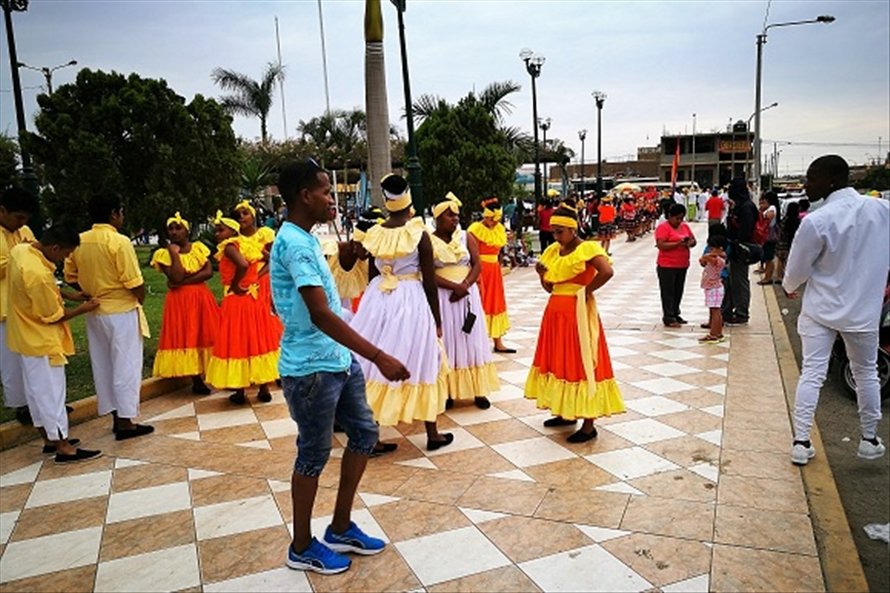
    • Traditional Games: Many cultural events celebrate traditional sports and games, which can introduce participants to new forms of physical exercise. For example, cultural festivals may include folk dances, traditional wrestling, or ancient martial arts.
    • Health and Wellness Programs: Cultural events often include health and wellness initiatives that promote physical activity. Workshops, fitness classes, and sports demonstrations at these events encourage attendees to participate in sports and adopt healthier lifestyles.

    Enhancing Community Engagement

    Cultural events strengthen community bonds and foster sports participation:

    • Social Interaction: Events such as parades, concerts, and community fairs create social spaces where people interact and form connections. This sense of community can lead to increased participation in local sports clubs and teams.
    • Family Activities: Cultural events provide family-friendly activities that encourage all age groups to participate. Family-focused sports events, such as parent-child races or family soccer games, foster a culture of sports participation among families.
    • Volunteer Opportunities: Many cultural events rely on volunteers, offering opportunities for individuals to get involved in organizing and supporting sports-related activities. Volunteering can lead to greater involvement in sports and community events.

    Inspiring Youth Participation

    Cultural events can inspire younger generations to engage in sports:

    • Role Models and Heroes: Cultural events often feature sports celebrities and role models who inspire youth to participate in sports. Meet-and-greet sessions, autograph signings, and public appearances by athletes can motivate young people to join sports activities.
    • School and Youth Programs: Cultural events that focus on youth engagement may include school sports programs and youth sports clinics. These programs provide structured opportunities for children and teenagers to participate in sports and develop their skills.
    • Scholarships and Competitions: Cultural events may offer scholarships or organize sports competitions for young athletes. Such opportunities can encourage youth to pursue sports seriously and aim for higher levels of achievement.

    Case Studies of Cultural Events Boosting Sports Participation

    The Olympics and Youth Sports

    The Olympic Games have a profound impact on sports participation globally:

    • Inspiration and Aspiration: The Olympics inspire people of all ages to engage in sports. The event’s global reach and coverage encourage individuals to participate in various sports and pursue athletic goals.
    • Youth Programs: The Olympics often lead to the development of youth sports programs and initiatives aimed at increasing participation. National and local programs inspired by the Games focus on nurturing young talent and promoting sports.

    Local Festivals and Community Sports

    Local cultural festivals have a direct impact on community sports involvement:

    • Community Tournaments: Festivals such as community fairs and local celebrations often include sports tournaments and matches. These events provide a platform for local athletes to showcase their skills and encourage community participation.
    • Interactive Activities: Cultural events may feature interactive sports activities, such as inflatable obstacle courses or mini-golf. These activities engage attendees of all ages and encourage them to try new sports.

    International Sports and Cultural Exchanges

    International sports and cultural exchanges promote cross-cultural understanding and sports participation:

    • Cultural Festivals with Sports Elements: International cultural festivals that include sports components, such as traditional martial arts demonstrations or international soccer matches, foster interest in sports and encourage cultural exchange.
    • Sports Ambassadors: Cultural exchange programs often involve sports ambassadors who promote sports participation and cultural understanding. These programs can inspire individuals to engage in sports and learn about different cultures.

    Challenges and Considerations

    Balancing Cultural and Sports Activities

    Integrating sports activities into cultural events can be challenging:

    • Resource Allocation: Allocating resources effectively between cultural and sports activities is essential. Ensuring that both aspects receive adequate attention and funding can enhance overall event success.
    • Event Planning: Coordinating sports activities within cultural events requires careful planning and organization. Balancing different types of activities and ensuring smooth execution is crucial for a successful event.

    Ensuring Inclusivity

    Cultural events should be inclusive and accessible to all:

    • Diverse Participation: Cultural events should cater to diverse audiences and encourage participation from various demographics. Offering a range of sports activities that appeal to different age groups and skill levels can increase overall involvement.
    • Accessibility: Ensuring that sports activities are accessible to people with disabilities and special needs is important. Providing adaptive sports programs and inclusive facilities can promote broader participation.

    Evaluating Impact

    Assessing the impact of cultural events on sports participation is essential:

    • Measuring Outcomes: Evaluating the effectiveness of cultural events in boosting sports participation requires collecting and analyzing data. Surveys, attendance records, and participant feedback can provide insights into the impact of events.
    • Continuous Improvement: Using evaluation results to make improvements and adjustments to future events helps enhance their effectiveness. Regularly reviewing and refining event strategies can lead to better outcomes and increased participation.

    Conclusion

    Cultural events have a significant impact on sports participation by promoting physical activity, enhancing community engagement, and inspiring youth involvement. By incorporating sports activities into cultural events, communities can foster a greater interest in sports and encourage broader participation.

    Addressing challenges and ensuring inclusivity can further enhance the positive impact of cultural events on sports participation. By leveraging the power of cultural events, communities can create vibrant and active environments that support and celebrate sports.

  • How Cultural Events Drive Tourism

    How Cultural Events Drive Tourism

    Cultural events drive tourism, often serving as key attractions that draw visitors from across the globe. Whether it’s a music festival, a traditional celebration, or an arts fair, these events offer tourists a unique experience, showcasing the local culture and heritage. The synergy between cultural events and tourism fosters economic growth, enriches communities, and provides travelers with memorable experiences. In this post, we’ll explore how cultural events drive tourism and the broader benefits they bring to local economies.

    How Cultural Events Drive Tourism
    How Cultural Events Drive Tourism

    Cultural Events as Tourist Attractions

    Cultural events are often at the heart of a destination’s appeal, giving tourists a reason to visit beyond the typical sightseeing opportunities. Festivals and celebrations offer a chance to experience a location’s traditions, art, music, and food in a way that can’t be replicated elsewhere. For example, annual events like Carnival in Rio de Janeiro or Oktoberfest in Munich attract millions of tourists who want to experience the vibrancy and excitement of these globally renowned festivals. Cultural events offer something distinct, making them powerful motivators for travel.

    Boosting Off-Season Tourism

    One of the key ways cultural events drive tourism is by attracting visitors during off-peak seasons. Many cities and regions organize festivals or cultural exhibitions during times of the year when tourism might otherwise be slow. This helps to stabilize the local economy by ensuring a steady flow of tourists year-round. For instance, winter festivals, art fairs, and food events can entice visitors when the weather or season might not traditionally draw large crowds. These cultural gatherings not only fill hotel rooms and restaurants but also promote local artisans, musicians, and performers.

    Economic Benefits for Host Communities

    Cultural events generate significant economic benefits for the host community. From increased spending in hotels, restaurants, and shops to the creation of temporary jobs, these events stimulate local economies. Tourists attending cultural events often spend money on accommodations, transportation, dining, and entertainment, providing a boost to businesses and service providers. Additionally, many local entrepreneurs use cultural events as opportunities to showcase and sell their products, further contributing to economic growth.

    Supporting Local Art and Craft Industries

    Cultural events offer a platform for local artists, musicians, and craftspeople to display their talents and sell their work. By integrating local art and craft markets into festivals, communities can highlight their cultural heritage while also supporting small businesses. Tourists often seek out unique, handmade products as souvenirs, and these purchases contribute directly to the local economy. This symbiotic relationship between cultural tourism and the arts fosters a deeper appreciation for the local culture and heritage, while providing economic benefits to the creators.

    Cultural Exchange and Global Awareness

    Cultural events serve as bridges between different cultures, fostering mutual understanding and global awareness. Tourists attending cultural events are not only exposed to local traditions and customs, but they also engage in meaningful cultural exchanges with residents and other travelers. These experiences enrich the lives of tourists and deepen their connection to the destination. For the local community, cultural events provide an opportunity to showcase their way of life, history, and values to a global audience, promoting a positive image of the region.

    Promoting International Collaboration

    Many cultural festivals  involve international collaboration, with artists, performers, and organizations from various countries participating in festivals and exhibitions. This not only enhances the diversity of the event but also increases its appeal to a broader audience. For instance, film festivals, international music festivals, and global art fairs often attract participants and tourists from all over the world, boosting the destination’s visibility on an international scale. These events build cultural bridges and can lead to long-term partnerships between regions, artists, and industries.

    Conclusion

    Cultural events are more than just entertainment; they are a powerful driver of tourism and economic growth. By attracting visitors, supporting local industries, and fostering cultural exchange, these events play a crucial role in the tourism landscape. As travelers continue to seek out authentic and immersive experiences, cultural events will remain an essential component of destination marketing and tourism strategies.