Category: Cultural Events

  • Innovative Approaches to Traditional Festivals

    Innovative Approaches to Traditional Festivals

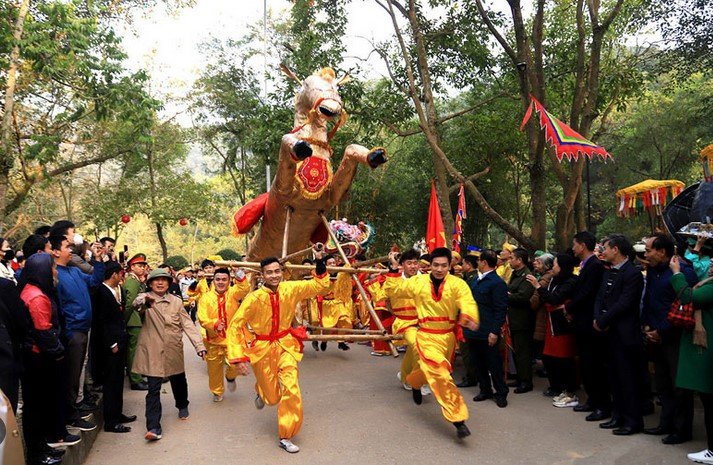
    Traditional festivals are an essential part of cultural heritage, offering a window into the history, values, and customs of communities. However, as society evolves, so too do the ways we celebrate these events. Many traditional festivals have begun to incorporate innovative elements, making them more relevant, engaging, and accessible to modern audiences. In this post, we explore innovative approaches to traditional festivals and how they can preserve culture while adapting to the present day.
    Innovative Approaches to Traditional Festivals
    Innovative Approaches to Traditional Festivals

    Blending Technology with Tradition

    Virtual and Hybrid Festivals

    One of the most notable innovations in recent years has been the shift toward virtual and hybrid festivals. With advancements in technology and the need for social distancing, many traditional festivals have embraced online platforms. These virtual events allow people from all over the world to participate, expanding the reach of these festivals beyond geographical limitations. For instance, live streaming performances, virtual tours of cultural exhibits, and online workshops bring the festival experience into people’s homes. Hybrid festivals, combining in-person and virtual elements, offer flexibility, ensuring that traditional celebrations remain inclusive and accessible.

    Augmented Reality Experiences

    Another exciting technological innovation is the use of augmented reality (AR) in festivals. AR enhances the festival experience by overlaying digital content onto the physical world, allowing attendees to interact with cultural symbols, historical figures, or art installations through their smartphones or AR devices. Imagine attending a traditional festival where you can see ancient myths come to life through AR or learn about historical events via interactive digital displays. This merging of the past and present creates a more immersive and engaging experience for festival-goers.

    Sustainability and Eco-Friendly Practices

    Green Festivals

    Incorporating sustainability into traditional festivals has become a key focus as communities recognize the importance of protecting the environment. Green festivals emphasize eco-friendly practices such as reducing waste, using renewable energy, and encouraging attendees to adopt sustainable habits. For example, many festivals have switched to biodegradable materials for decorations, utensils, and packaging. Additionally, organizers are focusing on minimizing their carbon footprint by sourcing food locally, reducing water usage, and offering recycling stations. These sustainable approaches help preserve not only cultural heritage but also the environment for future generations.

    Promoting Eco-Consciousness Through Festival Themes

    Some traditional festivals are also using their platform to raise awareness about environmental issues. By incorporating eco-conscious themes into the celebrations, festivals can educate attendees about sustainability and inspire positive change. For example, a traditional harvest festival might feature workshops on organic farming, seed exchanges, or discussions on climate change and its impact on agriculture. These efforts connect the festival’s traditional roots with contemporary environmental concerns, making the event both meaningful and relevant to today’s world.

    Cultural Exchange and Global Connections

    Fusion Festivals

    In an increasingly globalized world, many traditional festivals are incorporating elements from different cultures, creating fusion festivals that celebrate cultural diversity. These festivals retain their core traditional elements but invite influences from other cultures, offering a blend of performances, food, and art from various traditions. Fusion festivals are a great way to promote cross-cultural understanding and unity, while also breathing new life into long-standing traditions. For example, a traditional music festival might invite artists from different cultural backgrounds to collaborate, creating a unique fusion of sounds that appeal to a broader audience.

    Global Collaboration and Partnerships

    Collaboration between countries and cultures is another innovative approach that enriches traditional festivals. By partnering with international organizations, communities can exchange ideas, artists, and cultural practices, adding new dimensions to their traditional celebrations. This global collaboration helps to keep the festival dynamic, bringing fresh perspectives while honoring its original purpose. It also fosters stronger international connections, promoting peace and mutual respect through cultural exchange.

    Interactive and Engaging Experiences

    Participatory Workshops and Hands-On Activities

    Traditional festivals have increasingly moved beyond being mere spectacles to becoming interactive experiences. Many festivals now offer workshops and hands-on activities that allow attendees to participate actively in cultural traditions. Whether it’s learning traditional dances, trying a new craft, or preparing cultural dishes, these participatory events deepen the audience’s connection to the festival’s cultural roots. Engaging the public in this way ensures that traditions are not just observed but actively practiced, encouraging more people, especially younger generations, to take an interest in their heritage.

    Cultural Storytelling and Performances

    Innovative storytelling techniques, such as immersive theater, are being integrated into traditional festivals to bring cultural history and folklore to life. Interactive storytelling sessions, where festival-goers can choose different paths for the narrative or participate in the performance, make these age-old tales more engaging. This approach not only entertains but also educates the audience about the significance of the festival’s customs, ensuring that the cultural stories are passed down in a way that resonates with contemporary participants.

    Conclusion: Balancing Innovation with Tradition

    As festivals evolve, innovative approaches to traditional celebrations ensure that they remain relevant, exciting, and inclusive. By blending technology, sustainability, and cultural exchange with long-standing traditions, communities can breathe new life into these cultural events. These innovations do not detract from the heritage they celebrate; rather, they enhance the experience for modern audiences, ensuring that traditional festivals continue to thrive in an ever-changing world.
  • The Role of Cultural Events in Community Building

    The Role of Cultural Events in Community Building

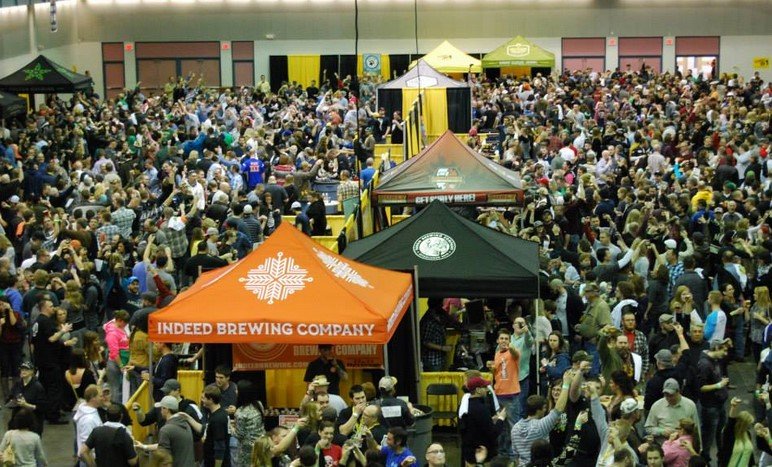
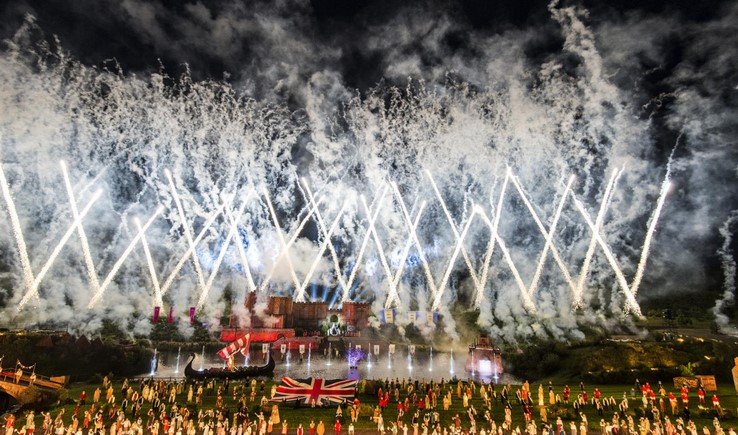
    Cultural events play a significant role in fostering community connections, celebrating shared heritage, and promoting social cohesion. Whether through festivals, performances, or neighborhood gatherings, these events bring people together, creating a sense of belonging and collective identity. In this post, we will explore how cultural events contribute to community building, their impact on social bonds, and the benefits they offer.

    The Role of Cultural Events in Community Building
    The Role of Cultural Events in Community Building

    1. Fostering a Sense of Belonging

    Uniting Communities Through Shared Experiences

    Cultural events offer opportunities for people to come together and share experiences that celebrate their common history, traditions, or interests. Events like local festivals, music performances, and art exhibitions provide platforms where residents can engage with each other, fostering a stronger sense of unity. For example, national celebrations such as Independence Day or local heritage festivals create a shared space for people to celebrate their identity and roots, strengthening ties among neighbors.

    Bridging Cultural Gaps

    By showcasing different cultural practices, these events help bridge gaps between various groups within a community. Cultural events like food festivals or multicultural parades allow diverse groups to share their traditions, helping others to better understand and appreciate their customs. This cultural exchange not only promotes tolerance but also cultivates respect for differences within the community, laying the foundation for long-term harmony.

    2. Strengthening Social Bonds

    Building Interpersonal Connections

    Attending cultural events is not just about observing traditions; it’s about interacting with others and building interpersonal connections. Whether it’s a street fair or a concert in the park, these gatherings create opportunities for people to meet, engage, and bond. Over time, regular participation in such events helps create social networks, transforming casual acquaintances into friendships and support systems within the community.

    Encouraging Volunteerism and Civic Engagement

    Many cultural events rely on volunteers for organization and execution, giving locals the chance to get involved and contribute. Volunteering at community events builds a sense of pride and ownership among residents while promoting civic engagement. People who volunteer are more likely to stay invested in their community’s well-being and are often inspired to take on additional leadership roles. This active participation ultimately strengthens the social fabric of the community.

    3. Preserving and Celebrating Heritage

    Keeping Traditions Alive

    Cultural events often serve as a platform for preserving and passing down traditions from one generation to the next. Events such as cultural festivals, traditional dances, and historical reenactments help ensure that heritage is not lost over time. They offer a chance for younger generations to connect with their history and take pride in their cultural identity. This preservation of heritage also enriches the community by providing a shared history that fosters unity.

    Highlighting Local Artists and Creators

    Many cultural celebrations give a stage to local artists, musicians, and creators, allowing them to showcase their talents. This not only supports the local creative economy but also helps build a unique community identity. Whether it’s a crafts fair, a local music festival, or an art exhibit, showcasing local talent promotes a deep connection between creators and their audience. This shared appreciation of local culture strengthens the sense of belonging and pride within the community.

    4. Promoting Economic and Social Benefits

    Boosting Local Economies

    Cultural events often have a significant economic impact on the community. Festivals and events attract visitors from outside the area, boosting local businesses such as restaurants, shops, and hotels. These events can also create jobs for event planners, vendors, and performers, providing additional income for community members. By supporting the local economy, cultural events contribute to the overall well-being of the community.

    Enhancing Social Well-Being

    Beyond economic benefits, cultural events also play an essential role in improving social well-being. They offer opportunities for relaxation, enjoyment, and entertainment, which are vital for mental health and community spirit. Attending cultural events provides an escape from daily routines, encouraging social interaction and reducing feelings of isolation. These positive experiences contribute to an overall sense of happiness and fulfillment within the community.

    5. Building Inclusive Communities

    Encouraging Diversity and Inclusion

    Cultural events that celebrate different backgrounds and traditions promote inclusivity. These events invite everyone to participate, regardless of their cultural or social background. By focusing on diversity, cultural events foster an inclusive environment where all community members feel valued and recognized. This inclusiveness leads to stronger, more resilient communities where differences are celebrated as strengths.

    Creating a Platform for Dialogue

    Cultural events also provide a safe space for discussions about societal issues. From festivals that highlight social justice themes to community talks that focus on important topics, these events encourage dialogue and reflection. By fostering conversation around shared values and challenges, cultural events help communities address pressing concerns and find common ground for action.

    Conclusion: The Power of Cultural Events in Community Building

    Cultural events are vital to community building, offering numerous social, economic, and cultural benefits. They create shared experiences, strengthen social bonds, and foster pride in local traditions. Through the celebration of diversity and heritage, cultural events lay the groundwork for more inclusive and cohesive communities. Whether small neighborhood gatherings or large-scale festivals, these events play a crucial role in bringing people together and enhancing the quality of community life.

  • Exploring the Diversity of Global Festivals

    Exploring the Diversity of Global Festivals

    Festivals around the world offer a vibrant showcase of cultures, traditions, and communities. From the grand parades of Rio de Janeiro to the tranquil lantern releases in Chiang Mai, global festivals are windows into the rich tapestry of human experience. This post will explore the diversity of global festivals, highlighting their unique features and cultural significance.

    Exploring the Diversity of Global Festivals
    Exploring the Diversity of Global Festivals

    1. Celebrating Local Traditions

    Festivals Reflecting Cultural Heritage

    Festivals often reflect the local traditions and heritage of their communities. For example, Diwali, the Hindu Festival of Lights, is celebrated with lamps, fireworks, and feasts in India, symbolizing the victory of light over darkness. Similarly, the Day of the Dead in Mexico honors deceased loved ones with colorful altars and marigold flowers, blending indigenous and Catholic traditions.

    Community and Identity

    Local festivals are a way for communities to celebrate their identity and preserve their cultural heritage. They provide a sense of belonging and continuity, linking current generations with their ancestors’ traditions. These festivals often involve traditional music, dance, and cuisine, offering a deep dive into local customs and practices.

    2. The Extravaganza of Global Celebrations

    Carnival: A Global Phenomenon

    Carnival celebrations are a spectacular expression of joy and creativity found in various parts of the world. The Rio Carnival in Brazil is famous for its vibrant samba parades and elaborate costumes, attracting millions of visitors each year. Similarly, the Venice Carnival in Italy is renowned for its elegant masks and historical ambiance, offering a glimpse into the city’s rich past.

    Festivals of Lights

    Festivals of lights, such as Hanukkah and the aforementioned Diwali, illuminate the cultural significance of light in different traditions. In Japan, the Nebuta Matsuri festival features illuminated floats and lively parades, celebrating the summer harvest and honoring historical figures. These festivals highlight the universal human fascination with light and its symbolic meanings.

    3. Unique and Lesser-Known Festivals

    Up Helly Aa: A Viking Revival

    In Lerwick, Shetland, the Up Helly Aa festival revives Viking history with a torch-lit procession and the burning of a replica Viking longship. This unique festival celebrates the Norse heritage of the Shetland Islands and attracts visitors interested in history and tradition.

    La Tomatina: A Messy Tradition

    La Tomatina in Buñol, Spain, is an annual tomato-throwing festival that draws thousands of participants. What started as a spontaneous event has evolved into a global phenomenon, where people come together to enjoy a fun and messy day of throwing tomatoes at each other. This festival underscores the playful and communal spirit of celebrations.

    4. Festivals as Economic and Cultural Drivers

    Tourism and Local Economy

    Festivals often play a significant role in local economies by attracting tourists and boosting business. Events like Oktoberfest in Munich and the Edinburgh Festival Fringe generate substantial revenue for local businesses, from hotels and restaurants to souvenir shops. The influx of visitors helps sustain local economies and supports cultural preservation efforts.

    Cultural Exchange and Understanding

    Global festivals also serve as platforms for cultural exchange and understanding. They provide opportunities for people from different backgrounds to experience and appreciate diverse traditions. Festivals like the World Folklore Festival in Bulgaria and the International Festival of Arts in Edinburgh bring together artists and performers from around the globe, fostering cross-cultural dialogue and collaboration.

    5. Embracing the Global Festival Experience

    Participate and Explore

    Attending global festivals allows you to immerse yourself in different cultures and gain a deeper appreciation for their traditions. Whether you’re experiencing the vibrant colors of Holi in India or the serene beauty of the Lantern Festival in Thailand, these events offer memorable and enriching experiences.

    Respect and Cultural Sensitivity

    When participating in festivals, it’s important to approach them with respect and cultural sensitivity. Understanding the significance of the traditions and practices being celebrated helps ensure that your participation is both respectful and meaningful. Engaging with local communities and learning about their customs enhances the overall festival experience.

    Conclusion: Celebrating Diversity Through Festivals

    Exploring the diversity of global festivals reveals a rich tapestry of human culture and tradition. From local celebrations that preserve heritage to grand international events that showcase creativity, festivals offer a unique window into the world’s cultural richness. Embrace the opportunity to participate, learn, and celebrate the diverse traditions that make our global community so vibrant and interconnected.

  • How to Organize a Successful Cultural Event

    Organizing a successful cultural event requires careful planning, creativity, and attention to detail. Whether you’re hosting a local festival, art exhibition, or cultural celebration, effective organization can make all the difference. This guide walks you through the essential steps for planning and executing a memorable cultural event.

    How to Organize a Successful Cultural Event
    How to Organize a Successful Cultural Event

    1. Define Your Event Objectives

    Clarify Your Goals

    Start by defining the objectives of your cultural event. What do you want to achieve? Are you aiming to celebrate a particular culture, raise awareness, or foster community engagement? Clearly outlining your goals will help shape the event’s structure and guide your planning process.

    Identify Your Target Audience

    Understanding your target audience is crucial for tailoring the event to their interests and needs. Consider factors such as age, cultural background, and preferences. This insight will help you design an event that resonates with your audience and maximizes engagement.

    2. Develop a Detailed Plan

    Create a Budget

    A well-thought-out budget is essential for managing expenses and ensuring the event’s financial feasibility. Include costs for venue rental, marketing, entertainment, and other logistical needs. Factor in potential sources of revenue, such as sponsorships and ticket sales, to balance your budget.

    Choose a Venue

    Selecting the right venue is critical for the success of your cultural event. Consider the size, location, and facilities of potential venues. Ensure that the space is accessible to your audience and suitable for the activities you have planned. Booking the venue well in advance will help secure your preferred date and time.

    3. Plan the Program and Activities

    Design an Engaging Program

    Create a diverse and engaging program that highlights different aspects of the culture you are celebrating. This could include performances, workshops, art displays, and traditional food. A well-rounded program will keep attendees interested and provide a comprehensive cultural experience.

    Coordinate with Performers and Vendors

    Reach out to performers, artists, and vendors who can contribute to your event. Ensure they are available on the event date and communicate your expectations clearly. Contractual agreements should be made to secure their participation and avoid last-minute issues.

    4. Promote Your Event

    Utilize Various Marketing Channels

    Effective promotion is key to attracting attendees. Use a mix of marketing channels, including social media, local newspapers, and community bulletin boards. Create eye-catching promotional materials and provide clear information about the event’s date, time, location, and activities.

    Engage with the Community

    Engage with local community organizations and cultural groups to spread the word about your event. Partnering with these organizations can help reach a broader audience and generate additional support. Personal outreach and word-of-mouth can also be powerful tools for building excitement.

    5. Manage Logistics

    Coordinate Event Details

    Ensure all logistical details are in place well before the event. This includes setting up the venue, arranging for equipment and supplies, and coordinating with volunteers. Create a detailed schedule for the event day to keep everything running smoothly.

    Prepare for Contingencies

    Have a contingency plan in case of unexpected issues, such as bad weather or technical difficulties. Being prepared for potential challenges will help you address problems quickly and minimize disruptions.

    6. Execute the Event

    Oversee Operations

    On the day of the event, oversee all operations to ensure everything goes according to plan. Coordinate with your team, manage the schedule, and address any issues that arise. Maintaining a positive and organized approach will help ensure a successful event.

    Engage with Attendees

    Interact with attendees and gather feedback during and after the event. Engaging with your audience will provide valuable insights into their experience and help you identify areas for improvement.

    7. Evaluate and Follow Up

    Review the Event

    After the cultural celebration, review its success by analyzing attendance, feedback, and financial performance. Assess what worked well and what could be improved for future events. This evaluation will help refine your approach and enhance the quality of future cultural celebrations.

    Thank Your Supporters

    Express gratitude to performers, volunteers, sponsors, and attendees who contributed to the success of the event. Sending thank-you notes or public acknowledgments will strengthen relationships and build goodwill for future events.

    Conclusion: Celebrating Culture with Success

    Organizing a successful cultural event involves thorough planning, effective promotion, and seamless execution. By defining clear objectives, planning a diverse program, and managing logistics efficiently, you can create a memorable and impactful cultural celebration. Embrace the opportunity to celebrate and share cultural heritage, and your event will resonate with your audience and achieve lasting success.