Category: Cultural Events

  • Best Practices for Cultural Event Logistics

    Best Practices for Cultural Event Logistics

    When planning a successful cultural event, organizing the logistics is crucial. Effective cultural event logistics ensure that everything runs smoothly and creates a memorable experience for attendees. From venue selection to managing schedules, logistics play a significant role in making sure the event is well-coordinated. In this article, we’ll walk you through the best practices for handling logistics during a cultural event, so your next event can be a resounding success.

    1. Choose the Right Venue

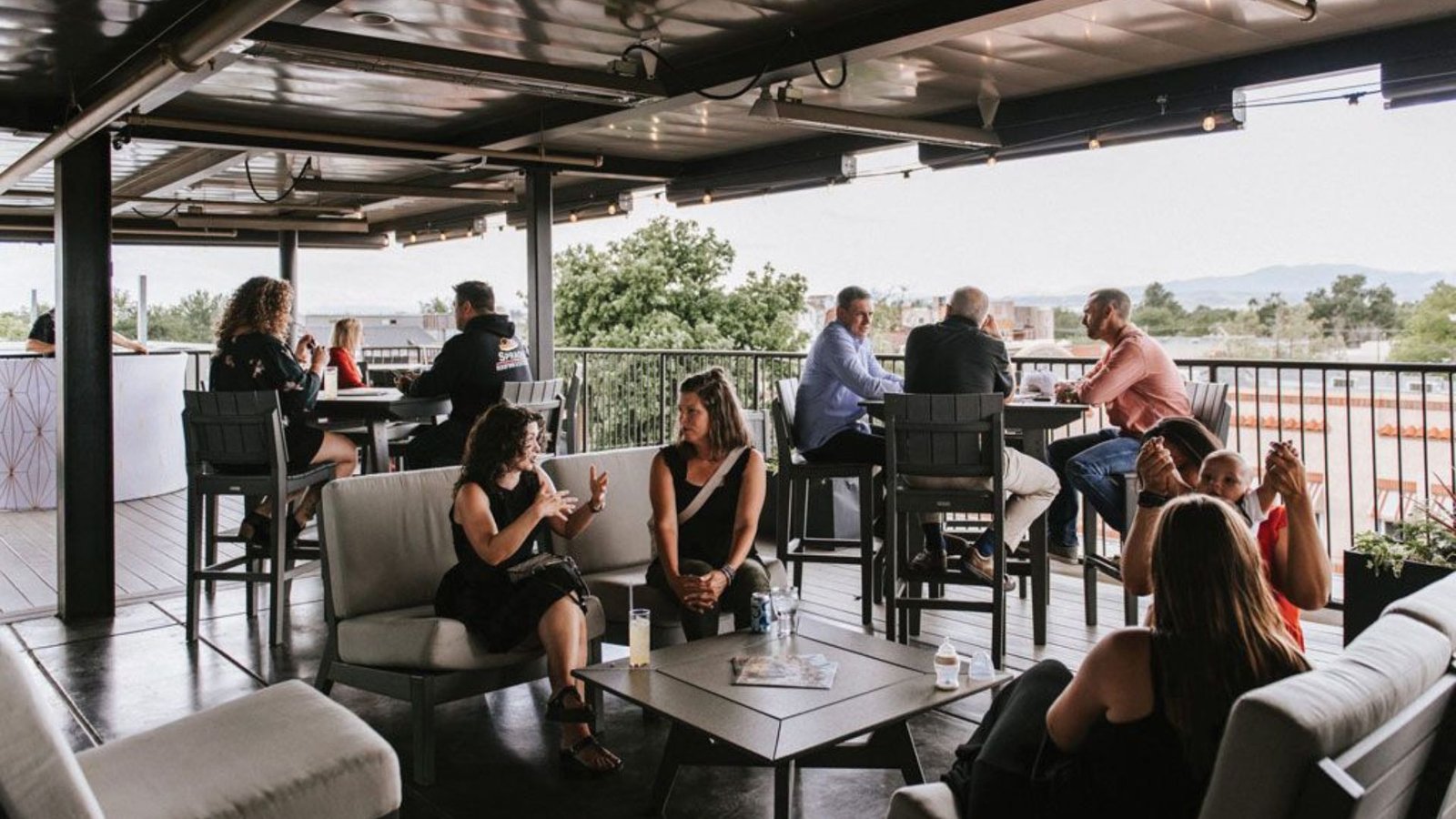
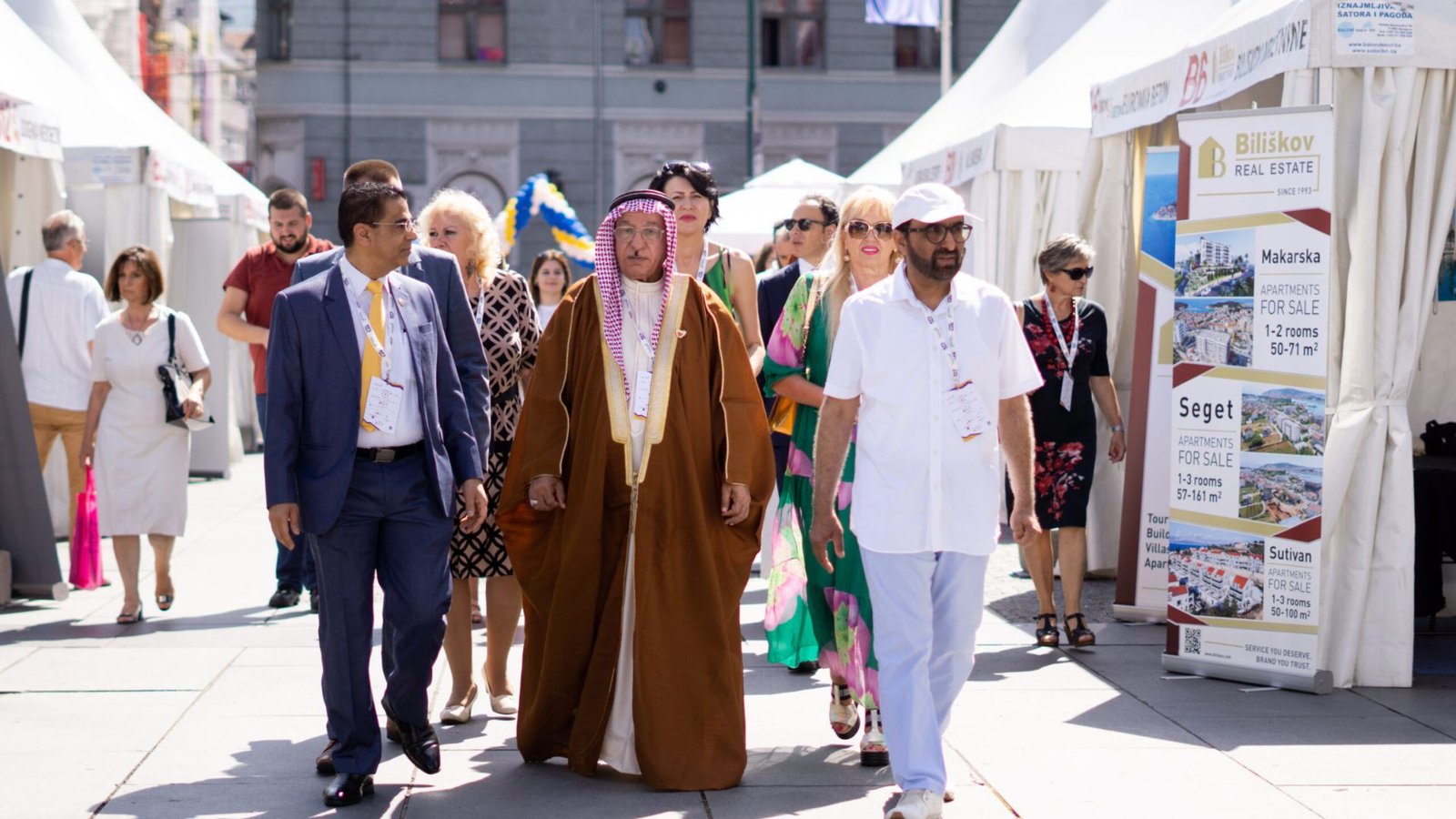
    One of the first steps in cultural event logistics is finding the perfect venue. The space should be large enough to accommodate all attendees comfortably while reflecting the cultural theme of the event. Consider whether the venue has enough parking, is accessible for all participants, and is equipped with the necessary technical facilities. A well-chosen venue sets the tone for the event and contributes to its overall success.

    Cultural Event Logistics
    Cultural Event Logistics

    2. Set a Clear Schedule

    Having a clear schedule is a fundamental part of cultural event logistics. Events like performances, workshops, or panel discussions need to run on time to avoid confusion or overlapping activities. Create a timetable that allows for smooth transitions between segments, and make sure to include short breaks. Timeliness ensures that guests can enjoy the event without any unnecessary delays.

    3. Collaborate with Local Vendors

    When managing logistics, it’s essential to work closely with local vendors for catering, entertainment, and other event services. Supporting local vendors not only aligns with the cultural theme but also helps build relationships within the community. Make sure to communicate clearly with vendors to ensure they understand the event’s goals and expectations.

    4. Have a Contingency Plan

    No matter how carefully you plan, things can go wrong during a cultural event. That’s why it’s critical to have a contingency plan. Weather changes, technical difficulties, or vendor issues are just a few examples of what might happen. In your cultural event logistics plan, outline backup solutions for common problems so that if something unexpected occurs, you can handle it smoothly without disrupting the event.

    5. Secure the Right Permits and Licenses

    Part of successful logistics planning is securing the necessary permits and licenses for your event. Depending on the type and size of the cultural event, you may need permissions for things like food vendors, alcohol sales, or sound equipment. Check local regulations well in advance to ensure everything is in place, which will prevent last-minute legal issues or delays.

    6. Arrange Transportation for Participants

    Transportation is another key element of cultural event logistics. You’ll need to plan how participants and performers will get to the venue. This may involve organizing shuttle services or coordinating carpool options, especially if the event is located in a hard-to-reach area. Proper transportation planning ensures that all attendees arrive on time and without hassle.

    7. Promote the Event Efficiently

    Promotion is a vital part of any event’s logistics. Make sure your event reaches its target audience by utilizing various promotional tools such as social media, local newspapers, and community boards. Consider cultural-specific platforms to promote your event, which will attract the right crowd. Clear communication in your promotions will help manage the flow of guests and make it easier to plan for catering, seating, and other logistical concerns.

    8. Train Volunteers and Staff

    Having a well-trained team of volunteers and staff is crucial for the smooth operation of cultural event logistics. Volunteers should be briefed on their specific roles, such as guiding guests, assisting performers, or handling registration. A clear understanding of responsibilities will help ensure that the event runs seamlessly, while also offering guests a better experience.

    9. Coordinate Cultural Performances and Presentations

    Cultural performances are usually the highlight of any event. Coordinating these performances, including rehearsals, stage setups, and technical support, is an important part of cultural event logistics. Ensure that performers know the schedule and are provided with the necessary equipment, sound checks, and rehearsal times to avoid any last-minute stress.

    10. Gather Feedback for Future Events

    Once the event is over, it’s important to gather feedback from both participants and attendees. This is a key part of cultural event logistics that will help you improve future events. Surveys, comment cards, or online feedback forms can give you insights into what went well and where there’s room for improvement.

    Conclusion

    Handling cultural event logistics effectively is the backbone of any successful cultural event. From securing the right venue and arranging transportation to setting a clear schedule and training your staff, each aspect requires careful planning. Following these best practices ensures your event will run smoothly, allowing attendees to focus on the cultural experiences and enjoy themselves. With the right logistics, you can create a memorable event that fosters cultural exchange and builds a stronger community.

  • How to Promote Cultural Exchange Through Events

    How to Promote Cultural Exchange Through Events

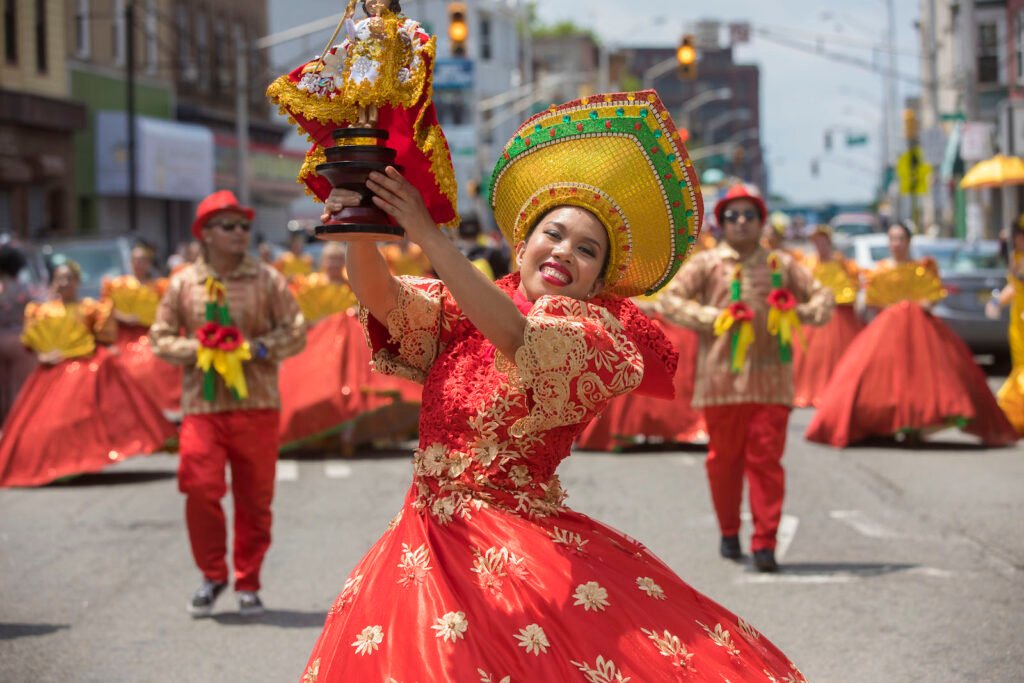
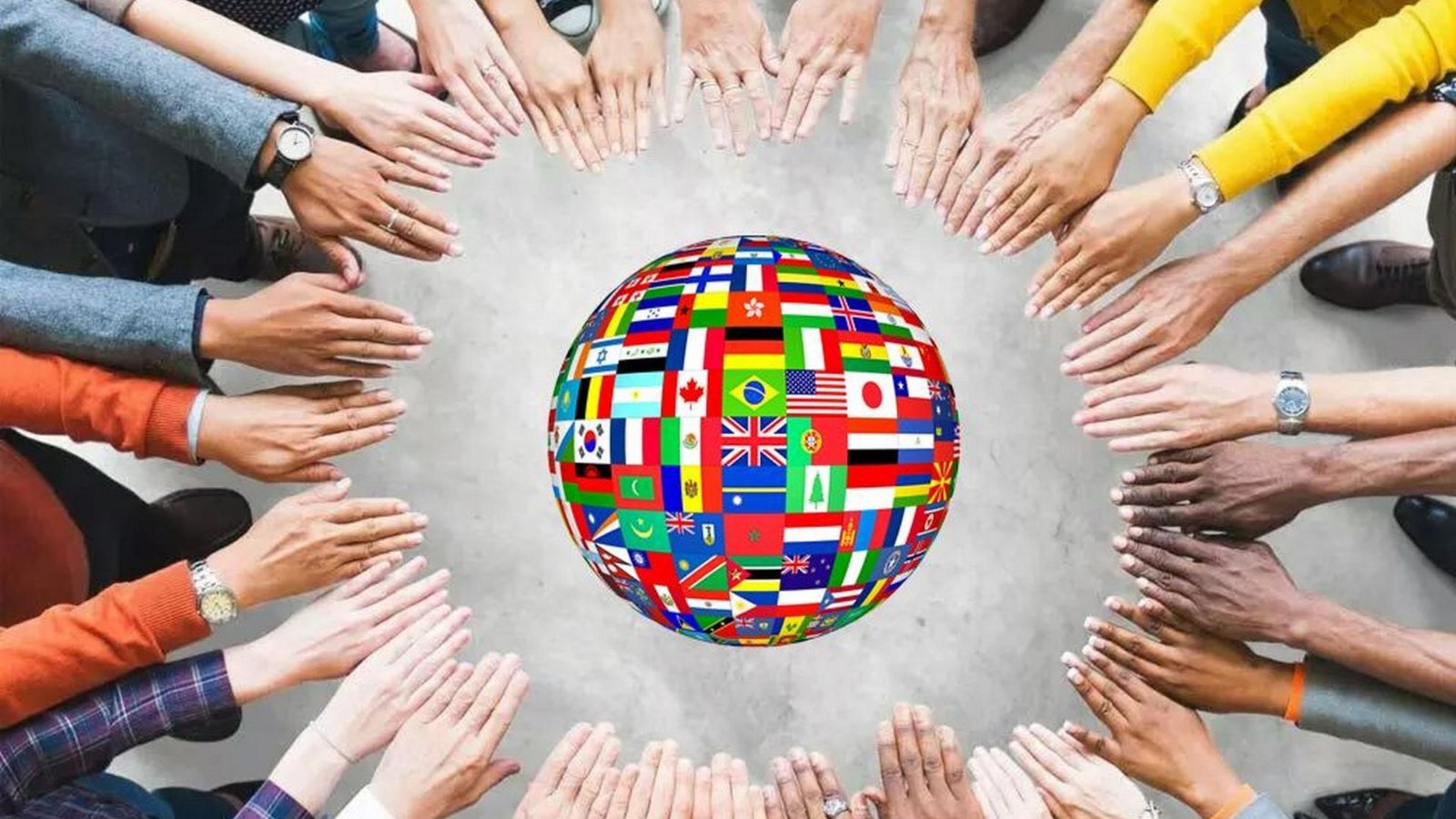
    If you’re wondering how to promote cultural exchange, organizing events is one of the best ways to bring people from different backgrounds together. Events create opportunities for people to share their traditions, values, and ways of life. By promoting cultural exchange through events, you can help bridge gaps between communities, foster understanding, and celebrate diversity. In this article, we’ll explore practical ways to promote cultural exchange through events, giving you a guide to make your event meaningful and successful.

    1. Host Multicultural Festivals

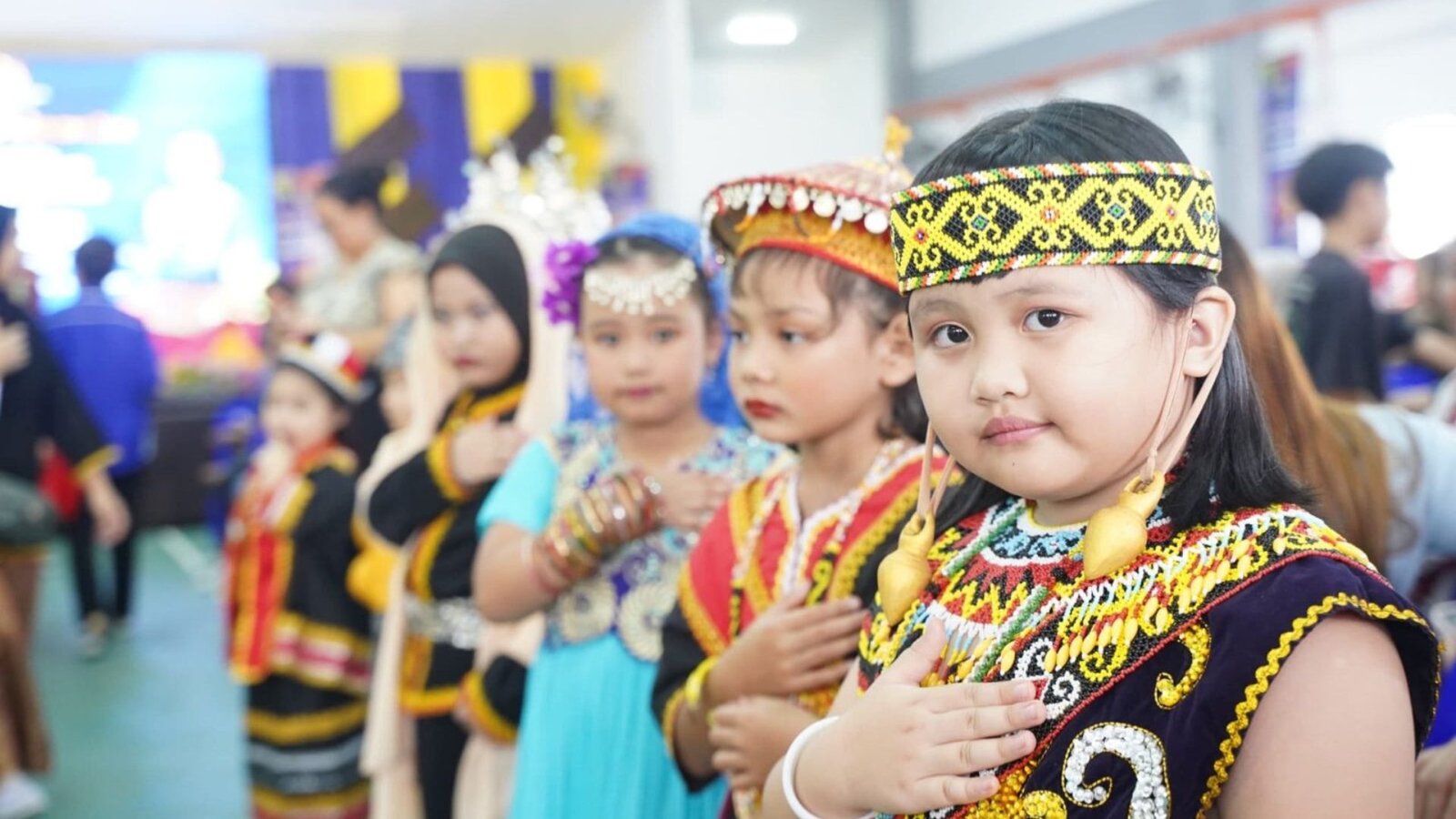
    One of the most effective ways to promote cultural exchange is by hosting a multicultural festival. These festivals allow different cultures to showcase their food, music, dance, and art. By doing this, you provide a space where people can experience diverse traditions firsthand. These festivals are a fantastic way for participants to learn about new cultures and for communities to come together, breaking down barriers.

    How to Promote Cultural Exchange Through Events
    How to Promote Cultural Exchange Through Events

    2. Organize Cultural Workshops

    Another powerful method of how to promote cultural exchange is through workshops. You can organize events where people teach others about their culture through activities like cooking classes, traditional dance lessons, or art demonstrations. These workshops offer a hands-on experience and create a deeper understanding of the featured culture. When people participate directly, they gain more appreciation for what makes each culture unique.

    3. Encourage International Food Tastings

    Food is a universal way to connect people. Hosting international food tasting events is a fun and tasty way to promote cultural exchange. By encouraging participants to share their traditional dishes, you create an environment where people can enjoy new flavors while learning about the history and meaning behind each dish. This kind of event opens conversations and builds connections among people from different cultural backgrounds.

    4. Plan Language Exchange Programs

    If you’re looking for another way to promote cultural exchange through events, consider organizing language exchange programs. These programs bring native speakers of different languages together to learn from each other. It’s an excellent way for participants to improve their language skills while also learning about the culture tied to that language. This experience helps foster communication and breaks down language barriers that often separate communities.

    5. Celebrate Cultural Holidays

    Promoting cultural exchange can also be done by celebrating holidays from various cultures. You can host events that recognize important holidays like Chinese New Year, Diwali, or Eid. By doing this, you’re giving people from those cultures a chance to share their traditions, while others get to learn and participate. These celebrations create a sense of inclusion and respect for different ways of life.

    6. Collaborate with Cultural Organizations

    Another great approach to how to promote cultural exchange is by working with cultural organizations. These organizations often have expertise in organizing events that celebrate diversity. Partnering with them can provide you with valuable insights and resources to make your event more impactful. Collaboration allows for a richer exchange of ideas and ensures that all cultures are represented in an authentic and respectful way.

    7. Host Cultural Storytelling Events

    Storytelling is an age-old tradition that exists in every culture. Hosting a storytelling event where people share folk tales, myths, or personal stories from their culture can be an inspiring way to promote cultural exchange. It not only entertains the audience but also educates them about different worldviews. These events give voice to different cultural narratives and build empathy among participants.

    8. Facilitate Cultural Performances

    Cultural performances, such as traditional music, dance, or theater, are an exciting way to promote cultural exchange. By organizing events where artists from different cultures perform, you give audiences a glimpse into the beauty of each culture’s artistic expression. Performances are a powerful tool for sharing culture because they evoke emotions and make the experience memorable.

    9. Create Cultural Art Exhibits

    Art has always been a universal language that transcends borders. Organizing art exhibits where artists from diverse cultures can showcase their work is another effective way to promote cultural exchange. Whether it’s painting, sculpture, or photography, these exhibits can reveal the cultural influences behind the art and spark conversations about different worldviews.

    10. Encourage Cultural Dialogues and Discussions

    Finally, hosting panel discussions or forums where participants can talk about their cultural experiences is another excellent way to promote cultural exchange. These discussions provide a platform for people to share their perspectives, challenges, and stories. Encouraging open dialogue helps break down stereotypes and fosters understanding among different groups.

    Conclusion

    Promoting cultural exchange through events is a powerful way to bring people together, foster understanding, and celebrate diversity. By organizing festivals, workshops, performances, and discussions, you can create meaningful opportunities for people to learn about and appreciate different cultures. Understanding how to promote cultural exchange through events will not only strengthen your community but also build lasting connections across cultural boundaries.

  • How Sports Influence Cultural Events

    How Sports Influence Cultural Events

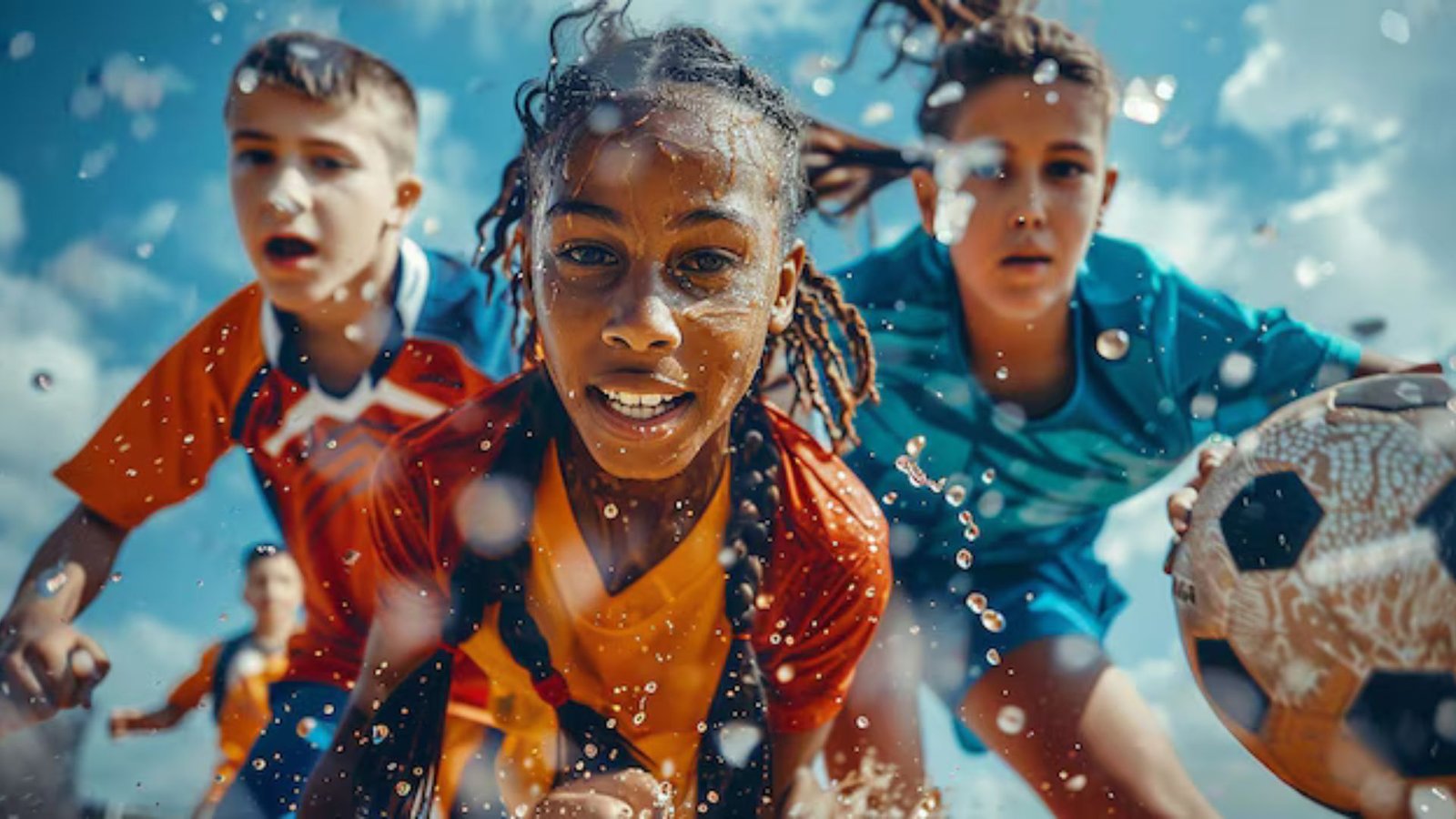
    Sports are more than just games; they are powerful cultural phenomena that shape communities and traditions. The influence of sports on cultural events is profound, bringing people together and fostering a sense of identity. Let’s explore how sports impact cultural events and enrich our lives.

    How Sports Influence Cultural Events
    How Sports Influence Cultural Events

    1. Building Community Identity

    Sports events often play a crucial role in building community identity. When local teams compete, fans unite to support them, creating a shared sense of pride. This community spirit is palpable during games, parades, and celebrations.

    For instance, winning a championship can transform a town’s culture, leading to festivals and gatherings. These events celebrate not just the victory but also the community’s unity and shared values, showcasing how sports influence local cultural identity.

    2. Fostering Engagement and Participation

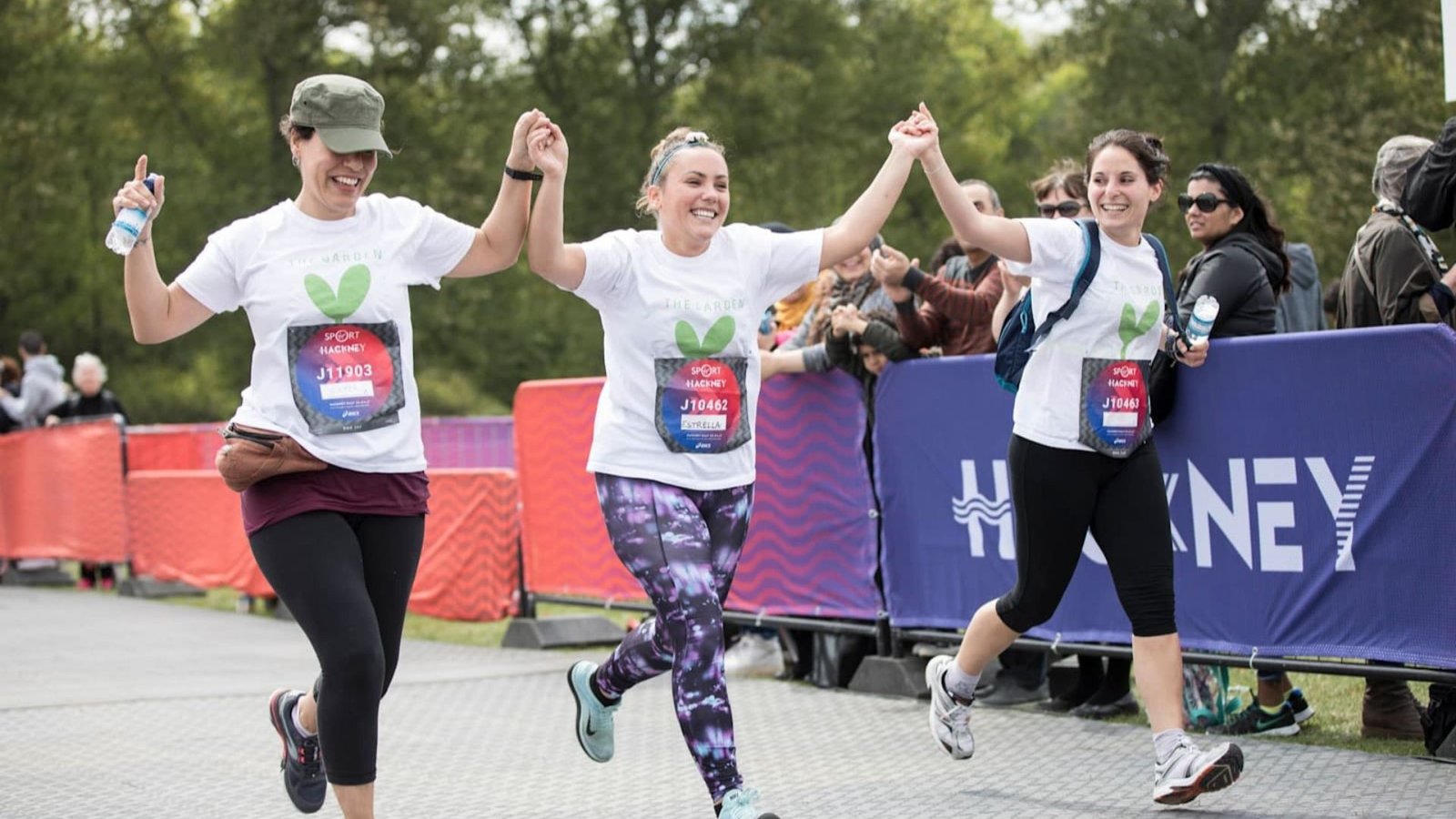
    Cultural events centered around sports encourage community engagement. Events like marathons, sports festivals, and youth leagues invite participation from all ages. They promote physical activity while also bringing people together for a common cause.

    For example, a local marathon may include various activities, such as music, food stalls, and family-friendly events. This blend of sports and culture fosters a vibrant atmosphere that encourages community involvement, highlighting the influence of sports on cultural activities.

    Just as community sports events unite fans through shared pride and clear rules, finding a trustworthy platform for digital gaming requires prioritizing transparency and regulatory compliance. To explore independently audited platforms that provide clear bonus guidelines and fast banking methods, check out verified options at a USA casinos review guide. Selecting sites with strong data encryption and certified random number generators keeps your personal information safe. Practicing smart bankroll management—like setting firm loss thresholds and choosing high-RTP games—ensures your gaming stays controlled. Ultimately, maintaining personal boundaries keeps digital entertainment fun and engaging.

    3. Celebrating Traditions and Heritage

    Sports often reflect cultural traditions and heritage. Many regions have unique sporting events that celebrate their history and customs. For instance, traditional games like caber tossing in Scotland or wrestling in Mexico showcase local heritage and cultural pride.

    These events can become significant cultural festivals, attracting visitors and promoting tourism. By blending sports with cultural traditions, communities can preserve their heritage while celebrating their identity, demonstrating the deep connection between sports and cultural events.

    4. Promoting Diversity and Inclusion

    Sports events can promote diversity and inclusion within communities. They provide a platform for various cultures to come together and celebrate their differences. Events like multicultural sports tournaments highlight the unique backgrounds of participants while fostering mutual respect and understanding.

    For example, an international soccer tournament can showcase teams from various countries, allowing attendees to experience different cultures through food, music, and dance. This celebration of diversity illustrates how sports can enhance cultural events and promote unity.

    5. Economic Impact

    Cultural events influenced by sports have significant economic benefits. Major sporting events attract tourists, who spend money on accommodations, dining, and entertainment. This influx of visitors can boost local businesses and support the economy.

    For instance, cities that host professional sports teams often see increased revenue from cultural events surrounding games, such as fan festivals and community gatherings. The economic impact of these events reinforces the connection between sports and cultural activities.

    6. Inspiring Future Generations

    Sports influence cultural events by inspiring future generations. Young athletes look up to their role models, motivating them to participate in sports and cultural activities. Schools often organize sports events that teach children about teamwork, discipline, and community spirit.

    Additionally, cultural events that feature sports can encourage young people to explore their heritage. Festivals that celebrate traditional sports provide opportunities for youth to connect with their culture while engaging in physical activity, showing the lasting influence of sports on cultural identity.

    7. Strengthening Social Connections

    Sports events strengthen social connections within communities. They create opportunities for individuals to bond over shared interests, fostering friendships and networks. Local games, tournaments, and cultural festivals encourage interaction among residents, enhancing community ties.

    When people come together to support their teams or participate in sports events, they build relationships that can last a lifetime. This social aspect of sports underscores their influence on cultural events and community cohesion.

    Conclusion: Embracing the Influence of Sports

    In conclusion, the influence of sports on cultural events is significant and multifaceted. From building community identity and fostering engagement to promoting diversity and inspiring future generations, sports play a vital role in shaping our cultural landscape.

    As we continue to celebrate sports, it’s essential to recognize their impact on cultural events and community development. Let’s embrace the joy of sports and the connections they create, enriching our lives and communities!

  • How Cultural Events Celebrate Diversity

    How Cultural Events Celebrate Diversity

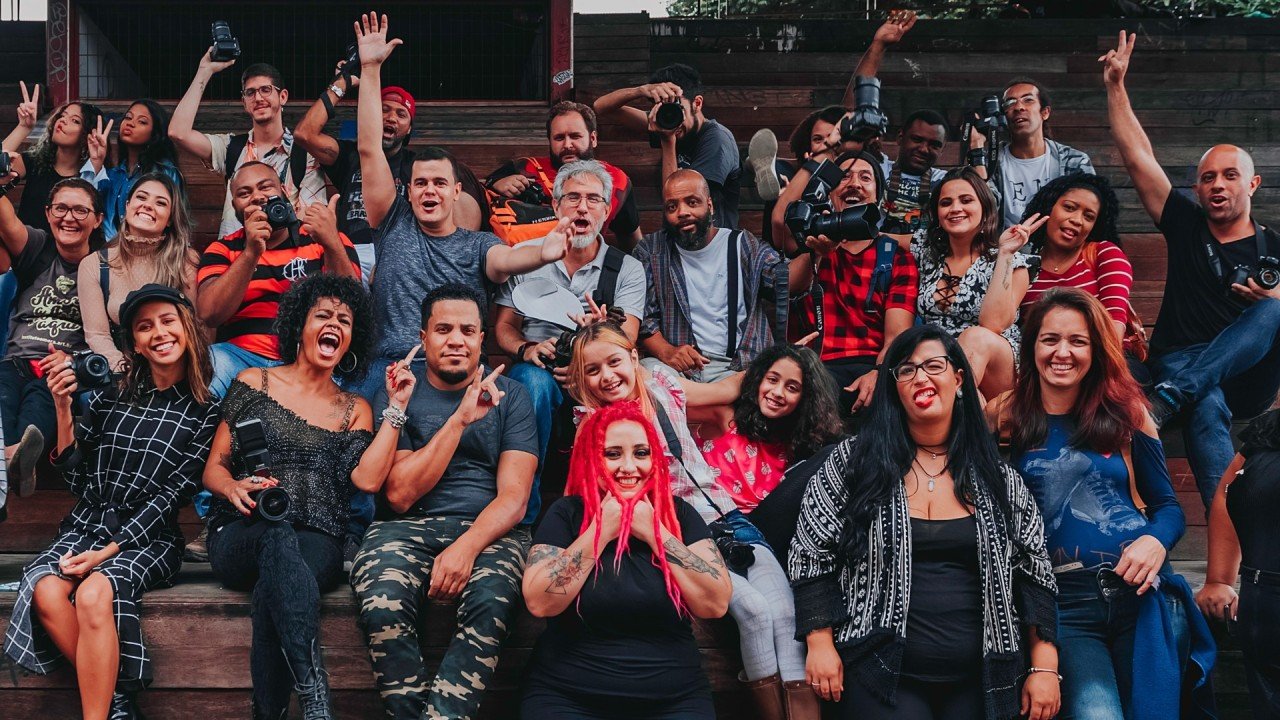
    Cultural events play a crucial role in celebrating diversity, acting as a bridge between various communities. These events provide a platform where people from different backgrounds come together to share their unique traditions, stories, and experiences. Not only do they showcase cultural richness, but they also promote understanding and acceptance among diverse populations.

    The Role of Cultural Events in Fostering Community

    Bringing People Together

    One of the most significant impacts of cultural events is their ability to unite individuals. When people gather to celebrate a festival or event, they engage in shared activities, breaking down barriers and fostering friendships. For instance, local food festivals often feature dishes from various cultures, allowing attendees to experience flavors they might not encounter in their daily lives. This shared experience cultivates a sense of community and belonging.

    Promoting Understanding and Respect

    Furthermore, cultural events educate attendees about different ways of life. Workshops, performances, and discussions encourage participants to learn about the traditions and histories of others. For example, a cultural fair might include storytelling sessions that highlight the struggles and triumphs of various ethnic groups. Such interactions help dispel stereotypes and misconceptions, fostering respect and appreciation for diversity.

    How Cultural Events Celebrate Diversity
    How Cultural Events Celebrate Diversity

    Highlighting Unique Traditions

    Showcasing Art and Performances

    Art and performances are vibrant expressions of culture. Many cultural events feature music, dance, and visual arts that reflect the heritage of a community. Take, for instance, the colorful parades during Mardi Gras or the rhythmic beats of a Diwali celebration. These artistic showcases not only entertain but also invite participants to engage with cultural narratives deeply.

    Culinary Experiences

    Another vital aspect of cultural events is food. Culinary showcases allow attendees to savor authentic dishes from around the world. Whether it’s sampling spicy Thai curries or savoring Italian pasta, these experiences create a sensory connection to different cultures. Plus, cooking demonstrations and food workshops can teach participants about the cultural significance behind each dish, further enriching their understanding.

    Encouraging Dialogue and Interaction

    Open Forums and Discussions

    Cultural events often include forums and discussions that encourage dialogue about social issues, identity, and inclusivity. These platforms allow individuals to share their personal stories and experiences, creating a safe space for conversations that might not happen elsewhere. When people hear firsthand accounts, it can change perspectives and foster empathy.

    Engaging Activities for All Ages

    Moreover, many cultural events cater to all age groups, ensuring that families can participate together. Interactive activities, such as traditional games or craft-making stations, encourage children to learn about diversity in a fun and engaging way. This early exposure to different cultures helps instill a sense of appreciation and curiosity in younger generations.

    Conclusion: A Celebration of Unity in Diversity

    In conclusion, cultural events are powerful tools for celebrating diversity. They not only showcase unique traditions and foster community but also promote understanding and dialogue. By participating in these events, individuals can gain a deeper appreciation for the rich tapestry of human experience. As we embrace and celebrate our differences, we move toward a more inclusive and harmonious society. So, let’s continue to support and engage in cultural celebrations, making our communities vibrant and diverse places to live!

  • Real Estate and Cultural Event Venues

    Real Estate and Cultural Event Venues

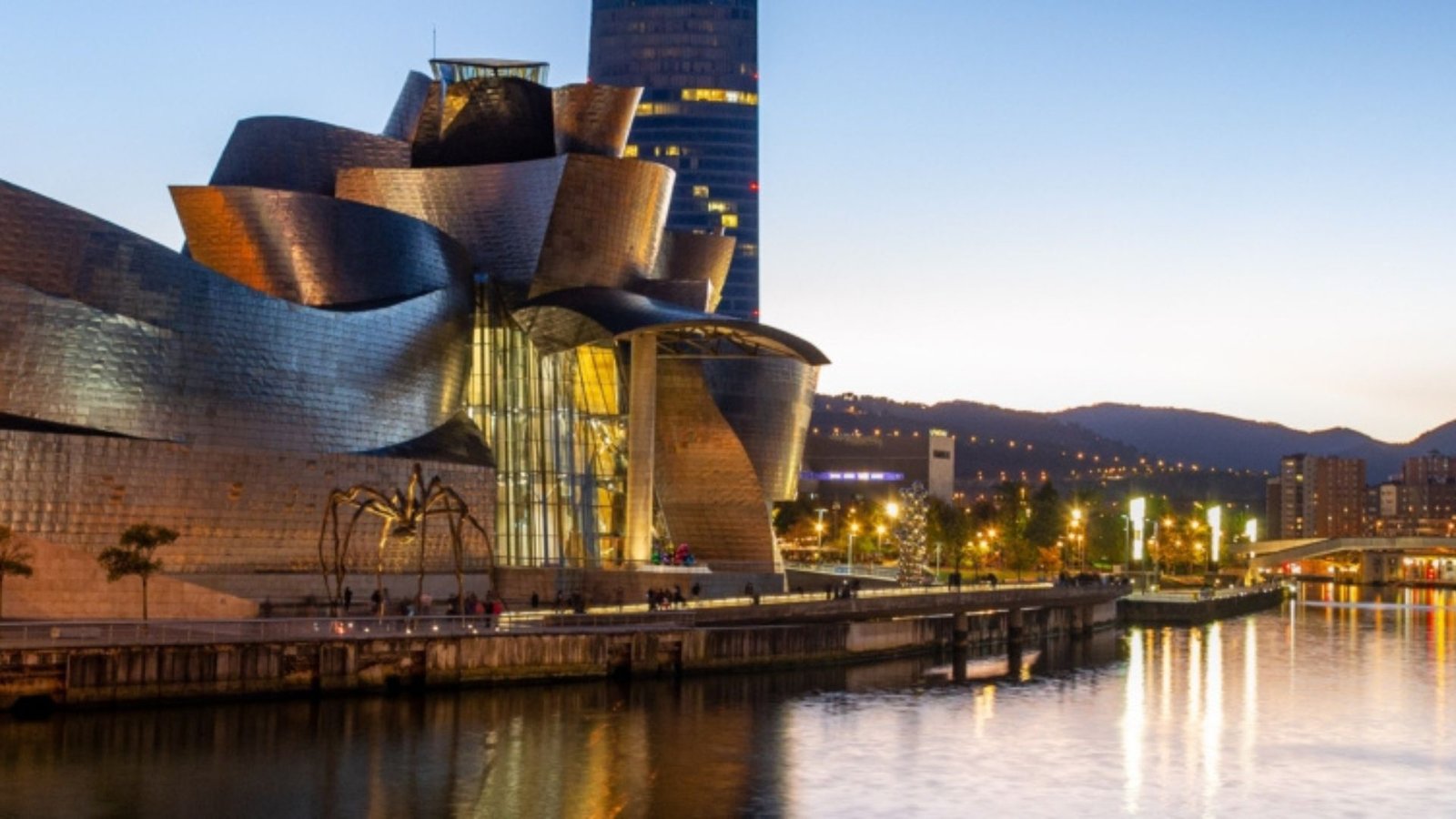
    Cultural event venues play a crucial role in community engagement and economic growth. The connection between real estate and cultural event venues is significant, as these spaces help foster creativity, bring people together, and support local economies. Let’s explore how this relationship shapes our communities and enhances cultural experiences.

    Real Estate and Cultural Event Venues
    Real Estate and Cultural Event Venues

    1. Creating Spaces for Expression

    Cultural event venues provide spaces where artists, musicians, and performers can showcase their talents. Whether it’s a concert hall, theater, or gallery, these venues are essential for cultural expression. Real estate developers often focus on creating versatile spaces that can host a variety of events, from art exhibitions to live performances.

    By investing in such venues, communities can enrich their cultural landscape and provide opportunities for local talent. This, in turn, fosters a vibrant arts scene that attracts visitors and enhances the community’s identity.

    2. Economic Impact

    Real estate development of cultural event venues has significant economic benefits. These spaces can draw large crowds for events, which boosts local businesses. Restaurants, hotels, and shops often see increased sales during major cultural events held in nearby venues.

    Additionally, the construction of new venues creates jobs, both during the building phase and afterward. Staff members are needed for management, maintenance, and event coordination. Therefore, the real estate and cultural event venues relationship directly supports job creation and economic growth.

    3. Enhancing Property Values

    Investing in cultural event venues can enhance property values in the surrounding area. When a community develops a vibrant cultural hub, it becomes more attractive to potential homebuyers and investors. Increased demand for real estate can lead to higher property values, benefiting existing homeowners.

    Moreover, local governments often see an increase in tax revenue from property taxes, which can be reinvested into community services and infrastructure. This creates a positive feedback loop, further supporting economic development.

    4. Fostering Community Engagement

    Cultural event venues serve as gathering places that foster community engagement. They host festivals, workshops, and performances that bring people together. This sense of community is vital for social cohesion and cultural exchange.

    Real estate developers can enhance this aspect by creating venues that are accessible and inviting. Spaces designed with community input can cater to diverse interests and encourage participation. This engagement helps build a strong sense of belonging among residents.

    5. Supporting Tourism

    Cultural event venues can attract tourists, contributing to the local economy. Unique and well-promoted events can draw visitors from outside the area, who spend money on accommodations, dining, and entertainment.

    For instance, a renowned arts festival or music concert can position a community as a cultural destination. The real estate and cultural event venues relationship helps create attractive spaces that can host these significant events, boosting tourism and economic activity.

    6. Sustainability Considerations

    As communities develop cultural event venues, it’s essential to consider sustainability. Real estate developers can incorporate eco-friendly practices into the design and construction of these spaces.

    Using sustainable materials and energy-efficient technologies can minimize environmental impact. Additionally, creating green spaces around venues can enhance the overall experience for attendees and promote community well-being.

    7. Challenges in Development

    While there are many benefits, challenges also exist in developing cultural event venues. Securing funding, navigating regulations, and addressing community concerns can complicate the process.

    Developers must engage with local residents and stakeholders to understand their needs and preferences. This collaboration ensures that venues serve the community effectively and contribute to cultural vibrancy.

    Conclusion: Building a Cultural Future

    In conclusion, the relationship between real estate and cultural event venues is vital for community and economic development. By creating spaces for cultural expression, boosting local economies, and enhancing property values, these venues enrich our communities.

    As we continue to invest in cultural event spaces, we can foster creativity, engagement, and connection among residents. Let’s celebrate the importance of these venues in shaping a vibrant cultural future!

  • Cultural Events Boosting Local Economy

    Cultural Events Boosting Local Economy

    Cultural events are not just celebrations; they are powerful drivers of economic growth. The cultural events boosting the local economy play a significant role in enhancing community well-being and prosperity. From festivals to art exhibitions, these events generate income and support local businesses. Let’s explore how cultural events positively impact the local economy!

    Cultural Events Boosting Local Economy
    Cultural Events Boosting Local Economy

    1. Attracting Tourists

    One of the most significant benefits of cultural events is their ability to attract tourists. When a festival or event occurs, it often draws visitors from outside the area. These tourists spend money on accommodations, food, and entertainment, providing a substantial economic boost.

    For instance, a local music festival can bring thousands of attendees, many of whom stay in nearby hotels and dine at local restaurants. This influx of visitors not only supports businesses but also positions the community as a cultural destination.

    2. Supporting Local Businesses

    Cultural events provide a direct boost to local businesses. Vendors, artists, and performers often sell their goods and services during these events. This creates opportunities for local entrepreneurs to showcase their products and reach new customers.

    For example, craft fairs allow local artisans to sell handmade goods, while food festivals highlight local cuisine. These events can significantly increase sales and visibility for small businesses, helping them thrive in a competitive market.

    3. Job Creation

    Hosting cultural events creates job opportunities in various sectors. From planning and organizing to staffing the event itself, many positions are required. This includes roles in marketing, security, logistics, and customer service.

    Moreover, temporary jobs created during events can lead to long-term employment opportunities. For example, venues that regularly host events may hire full-time staff to manage operations. The cultural events boosting the local economy contribute to job growth and stability.

    4. Enhancing Property Values

    Investing in cultural events and venues can enhance property values in the surrounding area. When communities host vibrant cultural activities, they become more attractive to potential homebuyers and investors. Increased demand for housing can lead to higher property values, benefiting current homeowners and the local economy.

    Furthermore, improved property values can increase tax revenue for local governments, allowing for further investment in community projects and infrastructure.

    5. Promoting Community Development

    Cultural events foster community development by bringing people together. They encourage social interaction and create a sense of belonging. When residents engage in cultural activities, they are more likely to support local initiatives and businesses.

    Additionally, events often highlight local talent and creativity, promoting a strong cultural identity. This sense of pride can lead to further investments in the community, enhancing its overall development.

    6. Generating Revenue for Local Governments

    Cultural events generate significant revenue for local governments. Ticket sales, permits, and taxes from businesses participating in events contribute to municipal budgets. This revenue can be reinvested in public services and community projects, benefiting all residents.

    Furthermore, successful cultural events can elevate a community’s profile, attracting more visitors and potential investors. This cycle of growth underscores the importance of cultural events in boosting the local economy.

    7. Encouraging Cultural Exchange

    Cultural events promote exchange and understanding between different communities. They provide a platform for diverse groups to showcase their traditions, art, and music. This not only enriches the local culture but also attracts a wider audience.

    As communities celebrate various cultural expressions, they foster an inclusive environment that draws people in. This diversity enhances tourism and business opportunities, highlighting cultural events and boosting the local economy.

    Conclusion: Celebrating Culture for Economic Growth

    In conclusion, the cultural events boosting the local economy are crucial for fostering economic growth and community well-being. By attracting tourists, supporting local businesses, creating jobs, and enhancing property values, these events have a lasting impact on the economy.

    As we continue to celebrate cultural diversity and creativity, it’s essential to recognize the economic benefits that come with it. Let’s embrace and support cultural events as vital contributors to our local economies and communities!

  • Economic Benefits of Cultural Events

    Economic Benefits of Cultural Events

    Cultural events are more than just celebrations; they are vital for local economies. The economic benefits of cultural events can be substantial, impacting businesses, tourism, and community development. Let’s explore how these events contribute to economic growth and prosperity.

    Economic Benefits of Cultural Events
    Economic Benefits of Cultural Events

    1. Boosting Local Businesses

    One of the most significant economic benefits of cultural events is the boost they provide to local businesses. When festivals, concerts, or art exhibitions take place, they attract large crowds. Visitors often spend money on food, drinks, and souvenirs. This influx of customers can greatly increase sales for local shops and restaurants.

    For example, during a local arts festival, nearby cafés and stores may see a surge in business. This not only helps individual owners but also strengthens the local economy as a whole.

    2. Creating Job Opportunities

    Cultural events create various job opportunities, both temporary and permanent. Organizing a festival or exhibition requires staff for planning, marketing, security, and logistics. Local workers are often hired to fill these roles, providing essential income during the event.

    Additionally, successful cultural events can lead to ongoing employment. For instance, venues that host regular events may need permanent staff, such as managers, maintenance workers, and customer service representatives. Thus, the economic benefits of cultural events include job creation that supports the community.

    3. Attracting Tourism

    Cultural events are powerful tools for attracting tourism. Events like music festivals, art fairs, and cultural celebrations draw visitors from outside the local area. These tourists contribute to the economy by spending money on hotels, dining, and transportation.

    For example, an annual music festival may attract thousands of visitors each year. This influx not only benefits local businesses but also positions the area as a cultural destination, encouraging repeat visits in the future.

    4. Enhancing Property Values

    Investing in cultural events and facilities can enhance property values in the surrounding area. When a community hosts vibrant cultural activities, it becomes more attractive to potential homebuyers and investors. Increased demand can lead to higher property values.

    Moreover, as the area develops and attracts more visitors, local businesses flourish. This cycle of growth benefits both residents and investors alike, highlighting the long-term economic benefits of cultural events.

    5. Fostering Community Development

    Cultural events contribute to community development by bringing people together. They foster social cohesion and a sense of belonging among residents. When people engage in cultural activities, they are more likely to support local initiatives and businesses.

    Additionally, events often promote local talent and creativity. By showcasing artists, musicians, and performers, communities can develop a strong cultural identity. This, in turn, can lead to further investments and growth opportunities.

    6. Generating Revenue for Local Governments

    Cultural events can generate significant revenue for local governments. Ticket sales, permits, and taxes from businesses can contribute to municipal budgets. This revenue can be reinvested into community projects, infrastructure, and services that benefit residents.

    Furthermore, successful events can elevate a community’s profile, attracting further investment and development opportunities. Therefore, the economic benefits of cultural events extend to the public sector as well.

    7. Promoting Cultural Exchange

    Cultural events promote exchange and understanding between different communities. This not only enriches the local culture but also attracts diverse visitors. By celebrating different traditions and art forms, communities can create a welcoming environment that draws people in.

    This cultural exchange can lead to increased tourism and business opportunities, enhancing the economic impact of the events. The mutual appreciation of cultures creates a vibrant community that benefits everyone.

    Conclusion: Embracing Cultural Events for Economic Growth

    In summary, the economic benefits of cultural events are extensive. From boosting local businesses and creating jobs to attracting tourism and enhancing community development, these events play a crucial role in economic growth. By investing in cultural activities, communities can foster a thriving environment that benefits all residents.

    Let’s continue to celebrate and support cultural events, recognizing their vital contribution to our economies and communities!

  • Top Cultural Events for 2024

    Top Cultural Events for 2024

    2024 is set to be an exciting year for cultural events around the world. These gatherings celebrate art, music, traditions, and community. The top cultural events for 2024 promise to offer unique experiences that bring people together. Let’s explore some of the most anticipated events this year!

    Top Cultural Events for 2024
    Top Cultural Events for 2024

    1. Olympic Games in Paris, France

    One of the biggest events in 2024 is the Summer Olympics in Paris. From July 26 to August 11, athletes from around the world will compete in various sports. The opening and closing ceremonies will showcase French culture, including music, dance, and art. This global celebration will not only highlight athletic talent but also the rich history of France.

    2. Venice Biennale, Italy

    The Venice Biennale, running from May 20 to November 24, is one of the most prestigious art exhibitions in the world. This year’s theme will explore the intersection of art and society. Artists from various backgrounds will present their work, making it a vibrant showcase of contemporary creativity. Visitors can enjoy installations, performances, and thought-provoking exhibitions throughout the city.

    3. Coachella Music Festival, USA

    Taking place in April, the Coachella Music Festival in California is a must-visit for music lovers. With diverse lineups featuring artists from various genres, this festival attracts fans from all over the world. Besides music, Coachella offers art installations and food experiences that celebrate creativity. It’s a perfect blend of culture and entertainment.

    4. Edinburgh Festival Fringe, Scotland

    The Edinburgh Festival Fringe, running from August 2 to August 26, is the largest arts festival in the world. It features thousands of performances, including theater, comedy, dance, and music. Artists from around the globe gather to showcase their talents in a variety of venues. The festival creates a lively atmosphere, encouraging creativity and cultural exchange.

    5. Día de los Muertos, Mexico

    Celebrated on November 1 and 2, Día de los Muertos (Day of the Dead) is a vibrant cultural event in Mexico. Families honor their deceased loved ones with colorful altars, traditional foods, and festive parades. The celebrations reflect deep cultural traditions and values, showcasing the importance of remembrance and community.

    6. Carnival of Rio de Janeiro, Brazil

    The Carnival in Rio de Janeiro, taking place in February, is one of the most famous festivals in the world. Known for its lively parades, samba music, and extravagant costumes, it attracts millions of visitors. This celebration reflects Brazilian culture and diversity, making it an unforgettable experience for attendees.

    7. Art Basel, Switzerland

    Art Basel, held from June 13 to June 16, is a leading contemporary art fair in Switzerland. It features galleries from around the world, showcasing works from renowned and emerging artists. Art lovers can explore a variety of mediums, including painting, sculpture, and digital art. The fair also hosts discussions and events, making it a hub for cultural exchange.

    8. Glastonbury Festival, UK

    Glastonbury Festival, scheduled for June 26 to June 30, is a legendary music and arts festival in England. It features performances from top artists across different genres, as well as art installations and workshops. The festival promotes sustainability and inclusivity, making it a significant cultural event that emphasizes community engagement.

    9. Toronto International Film Festival (TIFF), Canada

    Taking place in September, the Toronto International Film Festival showcases a diverse range of films from around the world. It’s a platform for filmmakers to present their work and engage with audiences. TIFF promotes cultural dialogue and celebrates the power of storytelling through cinema.

    Conclusion: Celebrating Culture in 2024

    The top cultural events for 2024 offer exciting opportunities to celebrate creativity, diversity, and community. From the Olympics in Paris to local festivals like Día de los Muertos, these events connect people and cultures worldwide. Mark your calendars and prepare to experience the vibrant cultural tapestry that 2024 has to offer!

  • Sports Events as Cultural Celebrations

    Sports Events as Cultural Celebrations

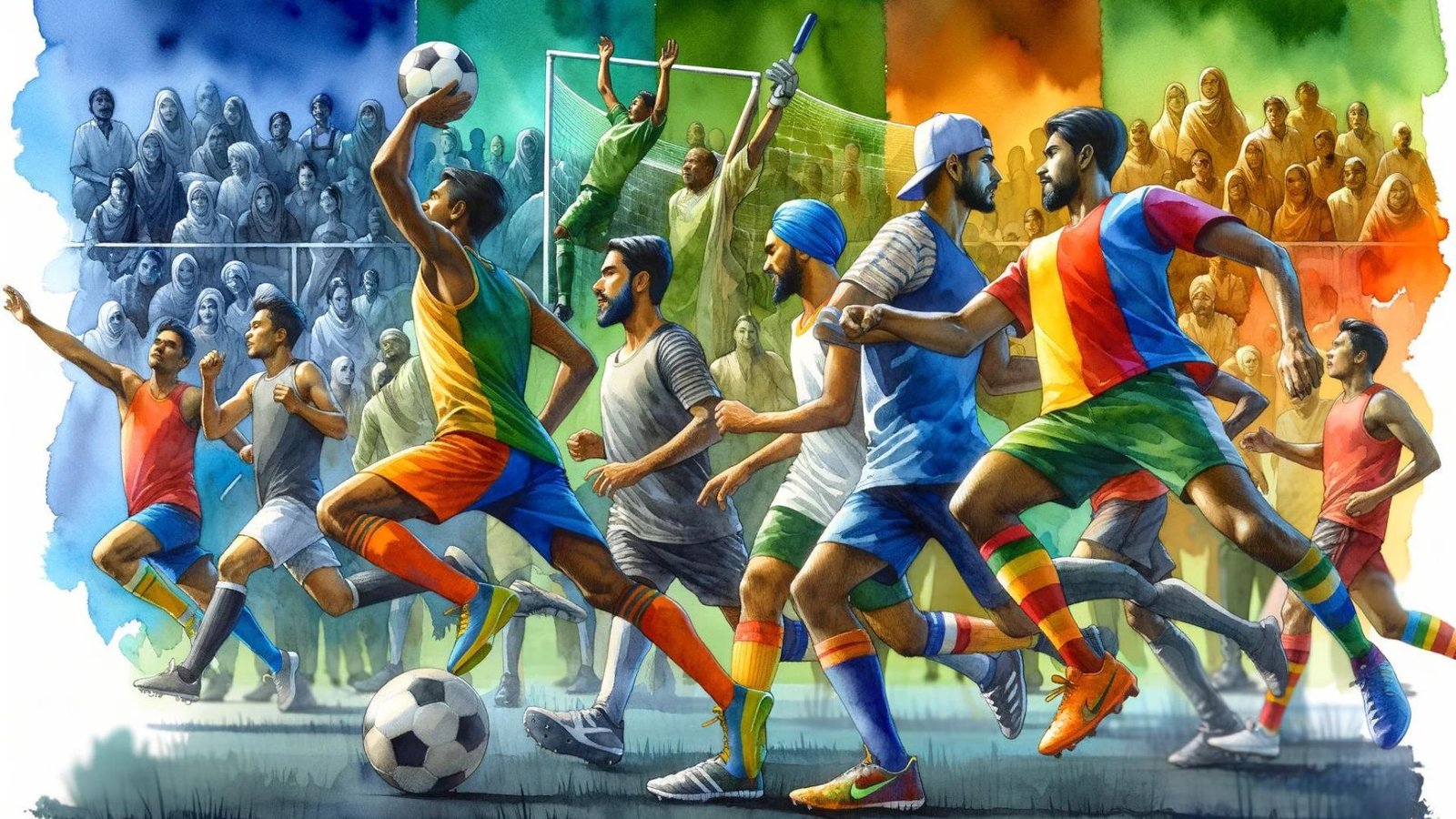
    Sports events are more than just competitions; they are vibrant cultural celebrations. The sports events as cultural celebrations bring people together, showcasing traditions and fostering community pride. From local tournaments to international competitions, these events celebrate athleticism and cultural heritage. Let’s delve into how sports events serve as significant cultural milestones.

    Sports Events as Cultural Celebrations
    Sports Events as Cultural Celebrations

    Uniting Communities

    One of the most important aspects of sports events is their ability to unite communities. When a local team competes, fans come together to support their players. This sense of belonging fosters a strong community spirit. For instance, during a soccer match, families and friends gather to cheer, creating an electric atmosphere.

    Moreover, sports events often involve diverse groups of people. They can bridge cultural divides and promote inclusivity. Different backgrounds come together to celebrate their shared love for the game. Thus, the sports events as cultural events enhance social cohesion and understanding.

    Showcasing Traditions

    Sports events also showcase cultural traditions. Many athletic competitions incorporate local customs and rituals, highlighting unique cultural identities. For example, traditional games like kabaddi in India or hurling in Ireland reflect the rich history of their regions.

    Furthermore, opening ceremonies at international sporting events often feature cultural performances, such as dance and music. These performances allow countries to share their heritage with the world. Therefore, sports events become platforms for cultural expression and celebration.

    Economic Benefits

    In addition to cultural significance, sports events bring economic benefits to communities. Hosting tournaments and competitions can attract visitors, boosting local businesses. Hotels, restaurants, and shops often see increased sales during major events. This economic boost can be vital for small businesses.

    Moreover, sports events can create job opportunities. Organizing a large tournament requires staff for logistics, security, and marketing. As a result, the sports events as cultural celebrations contribute to local economic growth while bringing people together.

    Inspiring Future Generations

    Sports events also inspire future generations. Young athletes look up to their role models, fostering a sense of ambition and motivation. When children see their local teams succeed, they are encouraged to pursue sports themselves. This participation not only promotes physical health but also instills values like teamwork and discipline.

    Additionally, schools often organize sports days and competitions, celebrating youth athleticism. These events teach children about sportsmanship and community spirit. Thus, the sports events as cultural celebrations have a lasting impact on the values and aspirations of young people.

    Building National Pride

    On a larger scale, international sports events foster national pride. When countries compete in events like the Olympics or the World Cup, citizens rally behind their teams. This collective support creates a sense of unity and national identity.

    Moreover, winning a major sporting event can uplift a nation’s spirit. It fosters pride in cultural heritage and athletic prowess. The sports events as cultural celebrations allow countries to showcase their talents on a global stage, promoting a sense of belonging among citizens.

    Challenges and Considerations

    While sports events are celebrated, there are challenges to consider. Issues like commercialization and exclusion can arise. Sometimes, the focus on profit can overshadow the cultural significance of the event. Additionally, some communities may feel left out if they do not have access to resources or opportunities.

    It’s crucial for organizers to prioritize inclusivity and cultural representation. By engaging local communities and ensuring everyone can participate, the true spirit of cultural celebration can be maintained.

    Conclusion: Celebrating Culture Through Sports

    In conclusion, the sports events as cultural celebrations play a vital role in uniting communities and showcasing traditions. They inspire future generations, promote economic growth, and foster national pride. As we continue to celebrate sports, it’s essential to honor the cultural significance behind each event.

    Let’s embrace the joy of sports and recognize their power to bring people together. Through athleticism and teamwork, sports events truly become celebrations of culture, enriching our communities and lives.

  • Real Estate Development for Cultural Events

    Real Estate Development for Cultural Events

    Real estate development plays an essential role in hosting cultural events. The real estate development for cultural events creates spaces that can accommodate large gatherings, performances, and exhibitions. These developments, from concert venues to art galleries, are vital for vibrant community life. Let’s explore how real estate impacts cultural events and boosts local economies.

    Real Estate Development for Cultural Events
    Real Estate Development for Cultural Events

    Creating Suitable Spaces

    One of the main benefits of real estate development is the creation of suitable spaces for cultural events. Developers often build theaters, community centers, and parks designed specifically for performances and festivals. These venues provide the necessary infrastructure, such as seating, sound systems, and lighting, to enhance the audience experience.

    Moreover, well-designed spaces can attract more visitors. For example, an amphitheater can host concerts and outdoor movies, making it a popular destination. The real estate development for cultural celebrations ensures that communities have the right facilities to unite people.

    Supporting Local Economies

    Cultural events supported by real estate development can significantly boost local economies. When new venues are built, they create job opportunities during construction and afterward for management and maintenance. Furthermore, events in these spaces often draw large crowds, benefiting local businesses.

    Local restaurants, hotels, and shops see increased sales when events attract visitors. For instance, a food festival in a newly developed park can encourage attendees to dine at nearby restaurants. Therefore, the real estate development for cultural celebrations fosters a cycle of economic growth in the community.

    Enhancing Community Engagement

    Real estate development also enhances community engagement. Cultural venues often serve as gathering places where residents can connect and participate in local traditions. By hosting events like art shows, music festivals, and cultural fairs, these spaces become centers for community life.

    Additionally, developers can involve local artists and cultural organizations in planning events. This collaboration fosters a sense of ownership and pride among residents. Thus, the real estate development for cultural events not only creates spaces but also strengthens community bonds.

    Attracting Tourism

    Well-planned real estate developments can attract tourism, which is beneficial for local economies. Unique cultural venues can become destinations in themselves. For example, a city with a renowned art gallery may draw visitors from other regions. This influx of tourists supports hotels, restaurants, and transportation services.

    Moreover, successful cultural events can lead to annual festivals that keep attracting visitors. This ongoing tourism creates a stable source of income for the community. Thus, the real estate development for cultural events plays a crucial role in boosting the tourism industry.

    Sustainability Considerations

    While real estate development brings many benefits, it’s essential to consider sustainability. Developers should focus on creating environmentally friendly spaces that can host events without harming the environment. For instance, parks and outdoor venues can incorporate green spaces that promote biodiversity.

    Additionally, using sustainable materials in construction helps reduce the environmental impact. By prioritizing eco-friendly practices, developers can ensure that the real estate development for cultural events benefits both the community and the planet.

    Challenges of Development

    Despite the positive aspects, real estate development for cultural events can face challenges. Securing funding and navigating regulations can be complex. Developers must work closely with local governments and community members to address concerns and ensure projects align with community needs.

    Furthermore, some residents may oppose new developments due to fears of noise or increased traffic. Developers must engage with the community and communicate the benefits of cultural venues. This way, they can address concerns and build support for their projects.

    Conclusion: Building a Cultural Future

    In conclusion, real estate development for cultural celebrations is vital for creating spaces that foster community engagement and economic growth. By providing suitable venues, supporting local economies, and attracting tourism, these developments enhance the cultural landscape of communities.

    As we look to the future, it’s essential to focus on sustainable practices and community involvement in real estate development. By doing so, we can build vibrant spaces that celebrate culture and bring people together. Let’s continue to invest in our communities and enjoy the rich benefits cultural events provide!