Category: Sports and Recreation

  • Top Benefits of Community Recreation Centers

    Top Benefits of Community Recreation Centers

    Community recreation centers are more than just places to play sports or exercise; they are vital hubs that enhance the quality of life for residents. From fostering social connections to promoting health and well-being, these centers offer a wide range of benefits. Let’s explore the top advantages of community recreation centers and how they positively impact individuals and neighborhoods.

    Strengthening Social Connections

    One of the primary benefits of community recreation centers is their role in strengthening social connections. These centers provide a space where people from diverse backgrounds can come together and interact.

    Building Community Ties

    Community recreation centers serve as gathering spots for local residents. Whether it’s through sports leagues, classes, or special events, these centers help build a sense of community. People have the opportunity to meet new friends, participate in group activities, and engage in communal experiences that foster a stronger neighborhood bond.

    Encouraging Family Participation

    Recreation centers also offer family-friendly activities that encourage participation from all age groups. Family nights, parenting workshops, and intergenerational programs create opportunities for family members to spend quality time together. This shared participation enhances family relationships and strengthens community ties.

    Top Benefits of Community Recreation Centers
    Top Benefits of Community Recreation Centers

    Promoting Physical Health

    Community recreation centers play a crucial role in promoting physical health. They offer a variety of facilities and programs designed to support an active lifestyle.

    Access to Fitness Facilities

    Many community recreation centers are equipped with gyms, swimming pools, and sports courts. These facilities provide affordable access to exercise equipment and recreational activities. Regular use of these facilities helps individuals maintain physical fitness, manage weight, and reduce the risk of chronic diseases.

    Structured Fitness Programs

    In addition to facilities, recreation centers often offer structured fitness programs such as yoga classes, aerobics, and martial arts. These programs are led by trained instructors and cater to different fitness levels. By participating in these classes, individuals can improve their physical health while enjoying a supportive and motivating environment.

    Supporting Mental Well-Being

    The benefits of community recreation centers extend beyond physical health. They also play a significant role in supporting mental well-being.

    Reducing Stress and Promoting Relaxation

    Engaging in physical activities and social interactions at recreation centers can help reduce stress and promote relaxation. Activities like swimming, dancing, and playing sports provide a break from daily routines and offer a mental health boost. Additionally, recreational programs often include mindfulness and relaxation techniques that contribute to overall mental well-being.

    Providing Social Support

    Community centers also offer social support through various programs. Support groups, counseling services, and educational workshops address mental health issues and provide resources for individuals facing challenges. These services help build a supportive community where individuals feel connected and cared for.

    Enhancing Personal Development

    Community recreation centers are not just about physical activities; they also support personal development through various educational and skill-building opportunities.

    Educational Workshops and Classes

    Recreation centers frequently host educational workshops and classes on topics such as cooking, arts and crafts, and computer skills. These programs allow residents to learn new skills, pursue hobbies, and expand their knowledge. Engaging in these activities fosters personal growth and provides opportunities for lifelong learning.

    Leadership and Volunteer Opportunities

    Many community centers offer leadership and volunteer opportunities. Participating in these roles allows individuals to develop new skills, gain experience, and contribute to their community. Volunteering can also enhance self-esteem and provide a sense of accomplishment, further supporting personal development.

    Boosting Economic Impact

    Community recreation centers also have a positive economic impact on local areas. They contribute to the economy in several meaningful ways.

    Creating Jobs and Stimulating Local Business

    Recreation centers create jobs for local residents, from facility managers and fitness instructors to maintenance staff. Additionally, events and programs hosted at these centers often require local vendors and services, stimulating the local economy. This economic activity helps support and sustain the community.

    Increasing Property Values

    Communities with well-maintained recreation centers often see an increase in property values. The presence of recreational facilities can make a neighborhood more attractive to potential homebuyers. As property values rise, the overall economic health of the community improves.

    Conclusion

    Community recreation centers offer a multitude of benefits that extend far beyond the walls of their facilities. From strengthening social connections and promoting physical health to supporting mental well-being and enhancing personal development, these centers play a vital role in improving the quality of life for residents. Additionally, their positive economic impact further underscores their importance in fostering vibrant and thriving communities.

    By investing in and supporting community recreation centers, we contribute to healthier, more connected, and economically robust neighborhoods. Embracing these centers can lead to a more enriched and fulfilling community life for everyone involved.


  • Tech Advancements in Sports and Recreation

    Tech Advancements in Sports and Recreation

    The sports and recreation industry is experiencing a technological revolution. From advanced performance tracking to immersive fan experiences, tech advancements are transforming how athletes train, compete, and engage with their audiences. This article explores the key tech innovations shaping the future of sports and recreation.

    Tech Advancements in Sports and Recreation
    Tech Advancements in Sports and Recreation

    Key Tech Advancements in Sports and Recreation

    Wearable Technology

    Wearable technology is revolutionizing how athletes monitor and enhance their performance:

    • Fitness Trackers: Devices like the Fitbit Charge and Garmin Forerunner track various metrics, including heart rate, steps, and calories burned. These trackers provide valuable insights into an athlete’s health and training effectiveness.
    • Smart Sports Equipment: Equipment such as smart tennis rackets and smart golf clubs include sensors that analyze swing mechanics, shot accuracy, and performance. This data helps athletes fine-tune their skills and improve their game.
    • Heart Rate Monitors: Devices like the Polar H10 provide real-time heart rate data, helping athletes manage their exertion levels and optimize training. Accurate heart rate monitoring is essential for effective workout planning and recovery.

    Performance Analysis Tools

    Performance analysis tools offer in-depth insights into athletic performance:

    • Motion Capture Technology: Systems like Vicon and Qualisys use cameras and sensors to capture and analyze an athlete’s movement. This technology helps in biomechanical analysis and optimizing technique.
    • Video Analysis Software: Tools such as Hudl and Dartfish provide video analysis capabilities, allowing coaches and athletes to review game footage, identify strengths and weaknesses, and improve strategies.
    • Data Analytics Platforms: Platforms like Catapult Sports and Zebra Technologies offer data analytics solutions that track various performance metrics, such as speed, distance, and acceleration. These insights inform training adjustments and performance enhancements.

    Virtual and Augmented Reality

    Virtual and augmented reality technologies are enhancing both training and fan experiences:

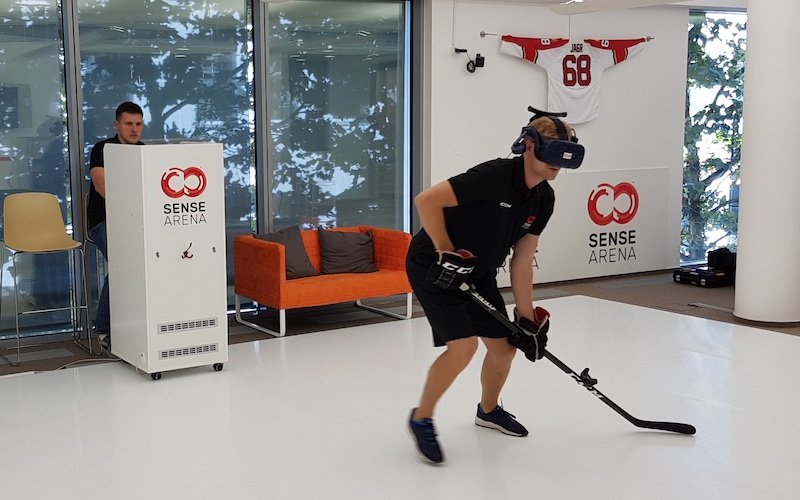
    • Virtual Reality (VR) Training: VR platforms like STRIVR and VIRB provide immersive training experiences, allowing athletes to simulate game scenarios and practice skills in a virtual environment. This technology aids in mental preparation and situational awareness.
    • Augmented Reality (AR) for Fans: AR applications like AR Sports and Wiz Khalifa’s AR Basketball offer interactive experiences for fans. Through AR, fans can view enhanced game statistics, player information, and virtual replays during live events.
    • VR Stadium Tours: VR technology enables fans to take virtual tours of sports stadiums, providing a unique and immersive experience. Platforms like NextVR and YouVisit offer virtual access to iconic sports venues and events.

    Smart Facilities and Venues

    Tech advancements are also transforming sports facilities and venues:

    • Smart Stadiums: Stadiums like AT&T Stadium and Mercedes-Benz Stadium feature smart technologies, including high-speed Wi-Fi, interactive seating maps, and mobile apps for food ordering. These innovations enhance the fan experience and streamline venue operations.
    • Environmental Controls: Modern sports facilities use smart environmental controls to manage lighting, temperature, and energy efficiency. Systems like Johnson Controls and Schneider Electric help maintain optimal conditions for both athletes and spectators.
    • Fan Engagement Technology: Technology such as Fanatics and Socios.com enhances fan engagement by offering personalized content, loyalty programs, and interactive experiences. These platforms foster a deeper connection between fans and their favorite teams.

    Health and Safety Innovations

    Tech advancements are improving health and safety in sports:

    • Injury Prevention Tools: Devices like Dynavision D2 and FitLight Trainer help athletes with injury prevention by enhancing visual and cognitive training. These tools improve reaction times and coordination, reducing the risk of injuries.
    • Concussion Monitoring: Technology such as Head Impact Telemetry System (HITS) and Q-Collar monitors head impacts and assesses concussion risks. Accurate monitoring helps in managing player safety and recovery.
    • Wearable ECG Monitors: Devices like the KardiaMobile monitor athletes’ heart rhythms and detect potential abnormalities. Early detection of heart conditions helps in preventing serious health issues during training and competition.

    Fan Experience Enhancements

    Tech innovations are significantly enhancing the fan experience:

    • Interactive Apps: Mobile apps like NBA App and NFL Mobile offer fans access to live scores, game highlights, and player stats. These apps provide a convenient way to follow games and engage with content.
    • Enhanced Broadcasts: Technologies such as 360-degree cameras and 4K UHD offer fans more immersive and high-definition views of games. Enhanced broadcast features create a more engaging viewing experience.
    • Gamification: Platforms like DraftKings and FanDuel integrate gamification elements, such as fantasy sports and betting, into the fan experience. Gamification increases fan engagement and creates additional revenue streams.

    Challenges and Considerations

    Privacy and Data Security

    The use of tech tools in sports raises concerns about privacy and data security:

    • Data Protection: With the collection of sensitive performance and health data, ensuring robust data protection measures is essential. Implementing secure data storage and encryption protocols helps protect athletes’ personal information.
    • Privacy Regulations: Compliance with privacy regulations, such as GDPR and CCPA, is necessary to safeguard user data. Organizations must stay informed about legal requirements and ensure adherence to data protection laws.

    Cost and Accessibility

    The cost and accessibility of advanced tech tools can be barriers:

    • High Costs: The cost of implementing cutting-edge technologies, such as VR systems and performance analysis tools, can be high. Budget constraints may limit access for smaller teams or recreational sports organizations.
    • Accessibility Issues: Ensuring that technology is accessible to all athletes, regardless of their level or resources, is important. Finding cost-effective solutions and making technology available at different levels of competition is essential for widespread adoption.

    Integration and Training

    Integrating new technologies and training staff can be challenging:

    • Integration Challenges: Integrating new tech tools with existing systems and workflows can be complex. Ensuring compatibility and seamless integration is crucial for maximizing the benefits of technology.
    • Training Requirements: Proper training is necessary for athletes, coaches, and staff to effectively use new technologies. Investing in training programs and support resources helps ensure successful implementation and utilization.

    Conclusion

    Tech advancements in sports and recreation are transforming how athletes train, compete, and engage with fans. From wearable technology and performance analysis tools to virtual reality and smart facilities, these innovations are enhancing athletic performance, improving fan experiences, and advancing the industry.

    By embracing these technologies, sports organizations and recreational facilities can achieve greater efficiency, better health and safety outcomes, and more engaging fan interactions. Staying informed about emerging technologies and addressing challenges will help maximize the benefits of tech advancements in sports and recreation.

  • How Major League Sports are Evolving

    How Major League Sports are Evolving

    Major League Sports are not just about games and championships anymore; they are evolving in ways that transform how fans experience the action, how athletes train, and how teams operate. With advancements in technology, shifts in business strategies, and a growing emphasis on player well-being, the landscape of major league sports is changing rapidly. Let’s dive into the key ways in which these sports are evolving and what it means for everyone involved.

    How Major League Sports are Evolving
    How Major League Sports are Evolving

    Technological Advancements: A New Era of Innovation

    Technology is playing a pivotal role in reshaping major league sports. From game analysis to fan engagement, innovations are driving the future of sports.

    Enhanced Data Analytics

    One of the most significant changes is the use of advanced data analytics. Teams now leverage sophisticated software to analyze player performance, game strategies, and even opponent tendencies. For instance, in the NBA, teams use player tracking systems to gather data on movement patterns and efficiency. This data helps coaches make strategic decisions and optimize player performance.

    Virtual and Augmented Reality

    Virtual Reality (VR) and Augmented Reality (AR) are also making waves. VR is being used for immersive training simulations, allowing athletes to practice scenarios without physical exertion. Meanwhile, AR is enhancing the fan experience by overlaying real-time stats and information during live broadcasts. These technologies are creating more engaging and interactive experiences for both players and fans.

    Changing Business Models: The Economics of Sports

    The business side of major league sports is undergoing significant transformations, driven by new revenue streams and evolving market dynamics.

    Streaming Services and Digital Media

    Streaming services are revolutionizing how fans access games. Platforms like ESPN+ and Amazon Prime Video are offering live broadcasts and exclusive content, providing fans with more flexibility and choice. This shift from traditional cable to digital streaming is expanding the reach of sports and creating new revenue opportunities for leagues and teams.

    Sponsorship and Branding

    Sponsorships and branding are becoming increasingly lucrative. Teams and leagues are forming partnerships with a diverse range of companies, from tech giants to fashion brands. These sponsorship deals not only bring in substantial revenue but also enhance brand visibility. For example, jersey sponsorships and in-stadium advertisements are now common, integrating brands seamlessly into the sports experience.

    Player Well-Being: Focus on Health and Performance

    The well-being of athletes is receiving more attention than ever before. Major leagues are implementing measures to support physical and mental health, recognizing that player performance is closely tied to overall well-being.

    Advanced Sports Medicine

    Sports medicine has advanced significantly, with teams employing cutting-edge treatments and recovery techniques. Technologies like cryotherapy, regenerative medicine, and biomechanics are used to prevent injuries and accelerate recovery. This focus on health helps athletes maintain peak performance and extend their careers.

    Mental Health Support

    Mental health is also gaining prominence. Leagues and teams are increasingly recognizing the importance of mental well-being and are providing resources such as counseling and stress management programs. The NBA, for instance, has introduced mental health initiatives to support players in managing the pressures of professional sports.

    Fan Engagement: Creating a Connected Experience

    The way fans interact with sports is evolving, thanks to new technologies and approaches that enhance the overall experience.

    Interactive Stadium Features

    Stadiums are becoming more interactive with features like mobile apps that offer instant replays, seat upgrades, and food delivery. These innovations are designed to enhance the fan experience and make attending games more enjoyable. For instance, some stadiums now include augmented reality experiences that provide fans with additional content during the game.

    Social Media and Community Building

    Social media has become a crucial tool for fan engagement. Teams and players use platforms like Twitter, Instagram, and TikTok to connect with fans, share behind-the-scenes content, and build communities. This direct interaction helps create a more personal connection between fans and their favorite teams or athletes.

    Conclusion

    Major League Sports are evolving in exciting and impactful ways. Technological advancements, changing business models, enhanced focus on player well-being, and innovative fan engagement strategies are all shaping the future of sports. These changes are not only transforming how games are played and consumed but also how fans and players experience the world of sports. As these trends continue to develop, they promise to bring even more dynamic and engaging experiences to the world of major league sports.

    Embracing these evolutions will ensure that the excitement and passion for sports continue to thrive, creating new opportunities for everyone involved.


  • Best Fitness Technology for Tracking Progress

    Best Fitness Technology for Tracking Progress

    In today’s tech-savvy world, tracking fitness progress has never been easier, thanks to a range of cutting-edge technologies. From wearable devices to sophisticated apps, the best fitness technology can provide detailed insights into your health and performance. Let’s explore some of the top tools available and how they can help you achieve your fitness goals.

    Wearable Devices: Your Fitness Companion

    Wearable devices have revolutionized the way we monitor our health. These gadgets, often worn on the wrist or attached to clothing, offer real-time data and insights.

    Smartwatches and Fitness Trackers

    Smartwatches and fitness trackers are among the most popular wearable devices. They monitor various metrics, such as heart rate, steps taken, and calories burned. For instance, devices like the Apple Watch or Fitbit can track your daily activity and provide detailed reports on your fitness progress. They often include features like GPS for tracking runs and sleep monitoring to give a holistic view of your health.

    Advanced Heart Rate Monitors

    For those looking for more precise heart rate data, advanced heart rate monitors are a great choice. These devices often come with chest straps or wristbands that offer accurate readings of your heart rate during different activities. Brands like Polar and Garmin provide monitors that not only track your heart rate but also measure heart rate variability and recovery time, helping you optimize your workouts.

    Best Fitness Technology for Tracking Progress
    Best Fitness Technology for Tracking Progress

    Fitness Apps: Tailored Training and Insights

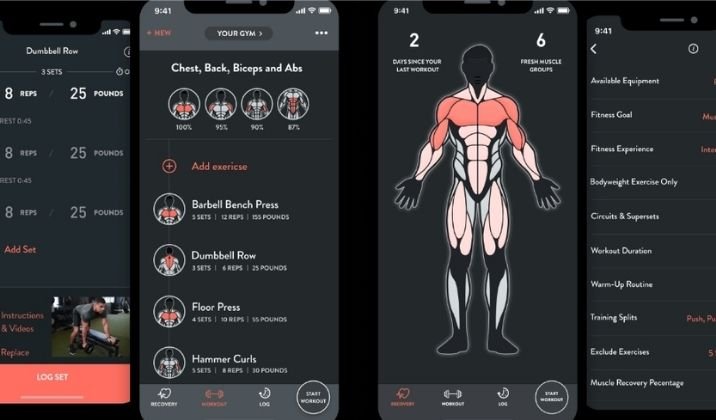
    Fitness apps have become essential tools for anyone looking to track their progress and stay motivated. These apps offer a variety of features that can enhance your fitness journey.

    Comprehensive Workout Apps

    Workout apps such as MyFitnessPal and Nike Training Club provide personalized workout plans and track your progress over time. They offer features like workout logs, exercise tutorials, and integration with wearable devices. By inputting your goals and preferences, these apps generate tailored workout routines and track your achievements, making it easier to stay on top of your fitness goals.

    Nutrition and Hydration Trackers

    Nutrition and hydration are key components of any fitness regimen. Apps like MyPlate and Cronometer help you track your daily food intake and ensure you’re meeting your nutritional needs. Additionally, hydration apps remind you to drink water and monitor your fluid intake, which is crucial for optimal performance and recovery.

    Smart Equipment: Enhancing Your Workouts

    Smart equipment is another category that’s gaining traction in the fitness world. These devices often include built-in technology that provides detailed feedback during your workouts.

    Interactive Home Gym Equipment

    Interactive home gym equipment, such as smart treadmills and stationary bikes, offers a new level of engagement. Devices like the Peloton bike and NordicTrack treadmill come with touchscreens that display live classes, track your performance, and adjust settings based on your goals. This technology allows you to experience gym-quality workouts from the comfort of your home while receiving real-time feedback.

    High-Tech Strength Training Machines

    Strength training machines with smart technology are becoming increasingly popular. These machines, such as the Tonal and Peloton Guide, use digital weights and provide guided workouts. They track your strength progress, adjust resistance levels automatically, and offer virtual coaching to ensure proper form and technique.

    Performance Analytics: Deep Dive into Data

    For those serious about tracking every aspect of their fitness, performance analytics tools offer in-depth data analysis.

    GPS Watches and Sport Monitors

    GPS watches and sport monitors are ideal for athletes who need detailed performance metrics. Devices like the Garmin Forerunner and Suunto watches provide data on pace, distance, elevation, and more. They also offer advanced metrics like VO2 max and lactate threshold, which are valuable for optimizing training and improving performance.

    Recovery and Sleep Monitors

    Recovery and sleep are critical components of fitness that often get overlooked. Devices such as the WHOOP Strap and Oura Ring focus on tracking recovery and sleep quality. They monitor factors like sleep stages, recovery metrics, and overall readiness, helping you understand how well you’re recuperating and when you’re ready to push yourself again.

    Conclusion

    The best fitness technology available today provides a wealth of information that can help you track progress and achieve your fitness goals. Wearable devices, fitness apps, smart equipment, and performance analytics all play a crucial role in offering detailed insights into your health and performance. By integrating these technologies into your fitness routine, you can stay motivated, make informed decisions, and optimize your workouts for better results. Embrace the latest advancements in fitness technology to take your training to the next level and reach your full potential.

  • Top Emerging Recreational Activities to Try

    Top Emerging Recreational Activities to Try

    As we move into a new era of leisure and fitness, recreational activities are evolving to keep pace with our changing interests and lifestyles. Gone are the days when our options were limited to traditional sports or hobbies. Today, a variety of innovative and exciting activities are capturing the attention of people looking to try something new. Let’s explore some of the top emerging recreational activities you might want to consider.

    Adventure and Exploration: Embracing the Outdoors

    The great outdoors continues to inspire new and thrilling recreational activities. From exploring uncharted terrains to embracing extreme sports, there’s something for every adventure seeker.

    Urban Climbing and Bouldering

    Urban climbing, often referred to as “buildering,” is gaining popularity as an alternative to traditional rock climbing. This activity involves scaling buildings, bridges, or other urban structures. It’s an exhilarating way to combine physical challenge with the thrill of exploring your city from a new perspective. Meanwhile, bouldering, which focuses on climbing shorter walls without ropes, offers a more accessible way to experience the climbing world.

    Geocaching: The Modern Treasure Hunt

    Geocaching is a global treasure hunt that uses GPS technology to find hidden containers, known as “geocaches.” These caches can be small boxes or even just a logbook where you record your find. It’s a fantastic way to explore new places, enjoy the outdoors, and engage in a fun, tech-savvy adventure.

    Top Emerging Recreational Activities to Try
    Top Emerging Recreational Activities to Try

    Creative and Artistic Pursuits: Unleashing Your Inner Artist

    If you’re looking to explore your creative side, new recreational activities offer fresh ways to express yourself and develop your artistic talents.

    Digital Art and Augmented Reality

    Digital art has been around for a while, but it’s becoming more immersive with the integration of augmented reality (AR). Using AR, you can create and experience art in a three-dimensional space. This innovative approach allows artists to blend digital creations with the physical world, providing a unique and interactive art experience.

    DIY Craft Workshops

    Craft workshops are emerging as a popular recreational activity for those interested in hands-on creativity. From pottery and woodworking to candle making and sewing, these workshops offer a chance to learn new skills and create personalized items. They also provide a social setting where you can meet like-minded individuals and share your crafting experiences.

    Wellness and Mindfulness: Focusing on Inner Health

    As people increasingly recognize the importance of mental well-being, recreational activities that promote mindfulness and relaxation are on the rise.

    Forest Bathing

    Forest bathing, or “Shinrin-yoku,” is a Japanese practice that involves immersing yourself in a forest environment to reduce stress and improve overall well-being. This activity encourages you to slow down, connect with nature, and absorb the calming effects of the forest. It’s a peaceful way to enhance your mental health while enjoying the great outdoors.

    Mindful Movement Practices

    Mindful movement practices such as tai chi and qigong are gaining traction for their ability to combine physical exercise with mindfulness. These activities involve slow, deliberate movements and deep breathing, promoting relaxation, balance, and flexibility. They are excellent for reducing stress and enhancing mental clarity.

    High-Tech and Interactive Fun: Merging Technology with Recreation

    Technology is continuously enhancing recreational activities, making them more interactive and engaging.

    Virtual Reality (VR) Gaming

    Virtual reality gaming offers an immersive experience that takes gaming to a new level. With VR headsets, you can step into different worlds, interact with virtual environments, and engage in activities ranging from thrilling adventures to artistic experiences. This cutting-edge technology provides a unique way to enjoy recreational gaming.

    Drone Flying and Racing

    Drone flying has become a popular hobby, and racing drones adds an extra layer of excitement. Pilots use first-person view (FPV) goggles to navigate their drones through obstacle courses at high speeds. This activity combines technology with adrenaline-pumping fun, making it an attractive option for tech enthusiasts and thrill-seekers alike.

    Conclusion

    The landscape of recreational activities is expanding with exciting new options that cater to a wide range of interests and preferences. Whether you’re drawn to outdoor adventures, artistic pursuits, mindfulness practices, or high-tech experiences, there’s something new and engaging to try. Embracing these top emerging recreational activities can provide fresh experiences, enrich your leisure time, and introduce you to new passions. So why not step out of your comfort zone and explore these innovative options?

  • How Youth Sports Programs Benefit Communities

    How Youth Sports Programs Benefit Communities

    Youth sports programs do much more than keep kids active; they play a crucial role in strengthening communities. From fostering teamwork to creating opportunities for personal growth, these programs offer far-reaching benefits. Let’s dive into how youth sports programs positively impact communities and why investing in them is so important.

    How Youth Sports Programs Benefit Communities
    How Youth Sports Programs Benefit Communities

    Building Stronger Social Connections

    Youth sports programs are excellent for fostering social connections. They bring together children from diverse backgrounds, creating a sense of community and belonging.

    Creating Friendships and Bonds

    Participating in sports helps children build lasting friendships. Whether on a soccer team or a swimming squad, kids learn to collaborate and support one another. These friendships often extend beyond the sports field, contributing to a stronger, more connected community.

    Enhancing Family Engagement

    Sports programs also engage families, as parents often become involved in coaching, cheering, or organizing events. This involvement strengthens family bonds and builds a supportive network around the children. Families who participate together in youth sports often find themselves more connected to their community.

    Promoting Healthy Lifestyles

    Another significant benefit of youth sports programs is the promotion of healthy lifestyles. Regular physical activity is crucial for children’s development and well-being.

    Encouraging Physical Fitness

    Youth sports programs provide a structured environment for physical exercise, helping children stay active and healthy. By engaging in sports, kids develop better cardiovascular health, strength, and coordination. This foundation sets the stage for a lifetime of healthy habits.

    Instilling Healthy Habits Early

    Beyond just physical health, these programs encourage healthy eating and lifestyle choices. Coaches and mentors often emphasize the importance of balanced nutrition and proper rest, instilling habits that children carry into adulthood.

    Fostering Personal Development

    Youth sports programs play a vital role in personal development. They teach essential life skills that extend far beyond the game.

    Building Confidence and Self-Esteem

    Through sports, children learn to set goals, work towards achieving them, and overcome challenges. These experiences build confidence and self-esteem, as kids realize their potential and celebrate their achievements. This boost in self-belief often translates into other areas of their lives, including academics and social interactions.

    Teaching Teamwork and Leadership

    Sports are inherently collaborative, requiring players to work together towards a common goal. This environment helps children develop teamwork skills and leadership qualities. They learn to communicate effectively, handle conflicts, and motivate others—skills that are valuable throughout life.

    Enhancing Community Spirit

    Youth sports programs contribute to a vibrant community spirit by bringing people together and creating shared experiences.

    Hosting Community Events

    Many sports programs organize events like tournaments, fundraisers, and festivals that involve the entire community. These events not only showcase local talent but also encourage community participation and support. Such gatherings strengthen communal ties and foster a sense of pride and unity.

    Providing a Safe and Positive Environment

    Sports programs offer a safe, structured environment for children to spend their time. This helps reduce the likelihood of involvement in negative activities and provides a positive outlet for their energy. A well-organized program ensures that kids have a constructive place to go, which benefits the community as a whole.

    Conclusion

    Youth sports programs are much more than just activities for children; they are vital to building stronger, healthier, and more connected communities. By fostering social connections, promoting healthy lifestyles, and supporting personal development, these programs make a lasting impact. Investing in youth sports is investing in the future of our communities, ensuring that children grow up with the skills, confidence, and connections they need to thrive.

    The benefits of youth sports programs extend well beyond the field or court. They create a foundation for personal and communal growth, making them a crucial element in any thriving community.

  • Best Technologies Revolutionizing Sports Training

    Best Technologies Revolutionizing Sports Training

    In the world of sports, technology is continually pushing the boundaries of human performance. From data analytics to virtual reality, innovative technologies are revolutionizing sports training. These advancements are not only enhancing athletes’ skills but also reshaping how training is approached. Let’s explore some of the most impactful technologies currently transforming the landscape of sports training.

    Wearable Technology: Tracking Performance in Real-Time

    Wearable technology has made a significant impact on sports training by providing real-time data on an athlete’s performance. These devices, including smartwatches and fitness trackers, monitor various metrics such as heart rate, distance, and even sleep patterns.

    Heart Rate Monitors and GPS Trackers

    Heart rate monitors and GPS trackers are among the most popular wearables. Heart rate monitors help athletes gauge their intensity levels and optimize their workouts. Meanwhile, GPS trackers provide insights into movement patterns and distances covered, crucial for sports that require precise spatial awareness.

    Smart Clothing and Biometric Sensors

    Smart clothing with embedded biometric sensors takes wearables a step further. These garments can measure muscle activity, body temperature, and even hydration levels. By analyzing this data, coaches and athletes can fine-tune their training regimens and reduce the risk of injury.

    Best Technologies Revolutionizing Sports Training
    Best Technologies Revolutionizing Sports Training

    Data Analytics: Making Sense of the Numbers

    Data analytics has become a game-changer in sports training. By analyzing vast amounts of data, coaches and athletes can make informed decisions and enhance their performance.

    Performance Analysis Software

    Performance analysis software helps break down complex data into actionable insights. For example, software that tracks shooting accuracy, sprint times, and other metrics allows athletes to pinpoint areas needing improvement. This data-driven approach facilitates targeted training and helps athletes reach their peak performance.

    Injury Prevention and Recovery

    Data analytics also plays a crucial role in injury prevention and recovery. By analyzing patterns in an athlete’s training and performance, it’s possible to predict potential injuries before they occur. Furthermore, recovery protocols can be customized based on individual data, speeding up the healing process and getting athletes back in the game faster.

    Virtual Reality: Immersive Training Experiences

    Virtual reality (VR) is taking sports training to new heights by providing immersive training experiences. With VR, athletes can simulate game scenarios and practice techniques in a controlled environment.

    Skill Development and Visualization

    VR technology allows athletes to practice specific skills and visualize game situations without physical exertion. For example, a basketball player can use VR to practice shooting from various angles or simulate the pressure of a game-winning shot. This kind of training enhances muscle memory and boosts confidence.

    Strategic Planning and Game Tactics

    VR also aids in strategic planning. Coaches can use VR to create detailed game plans and tactics, allowing players to visualize and rehearse strategies before stepping onto the field. This virtual rehearsal can lead to better performance during actual games.

    Advanced Equipment: Enhancing Training Efficiency

    Advanced equipment is another key player in the revolution of sports training. From high-tech treadmills to smart rowing machines, these tools offer more than just basic functionality.

    High-Tech Treadmills and Cycling Machines

    Modern treadmills and cycling machines come equipped with advanced features like incline adjustments, interactive courses, and real-time performance tracking. These enhancements provide a more dynamic and effective training experience, allowing athletes to simulate various conditions and track their progress.

    Smart Training Aids

    Smart training aids, such as automatic rebounders and sensor-equipped training balls, provide immediate feedback on performance. These tools help athletes fine-tune their techniques and understand their strengths and weaknesses in real-time.

    Conclusion

    Technologies revolutionizing sports training are transforming how athletes train and perform. Wearable technology, data analytics, virtual reality, and advanced equipment are all contributing to a new era of training that emphasizes precision, efficiency, and personalized approaches. As these technologies continue to evolve, athletes and coaches alike can look forward to even more innovative solutions that push the boundaries of human performance.

    By integrating these advanced technologies into their training routines, athletes can gain a competitive edge and achieve their full potential. The future of sports training is here, and it’s driven by technology.

  • How eSports is Growing and Its Market Impact

    How eSports is Growing and Its Market Impact

    eSports has transformed from a niche pastime into a global phenomenon. As technology advances and gaming becomes more mainstream, eSports is increasingly capturing the attention of both players and investors. This surge in popularity is not just reshaping the gaming industry but also having a significant impact on the broader market.

    The Rapid Expansion of eSports

    Growing Popularity

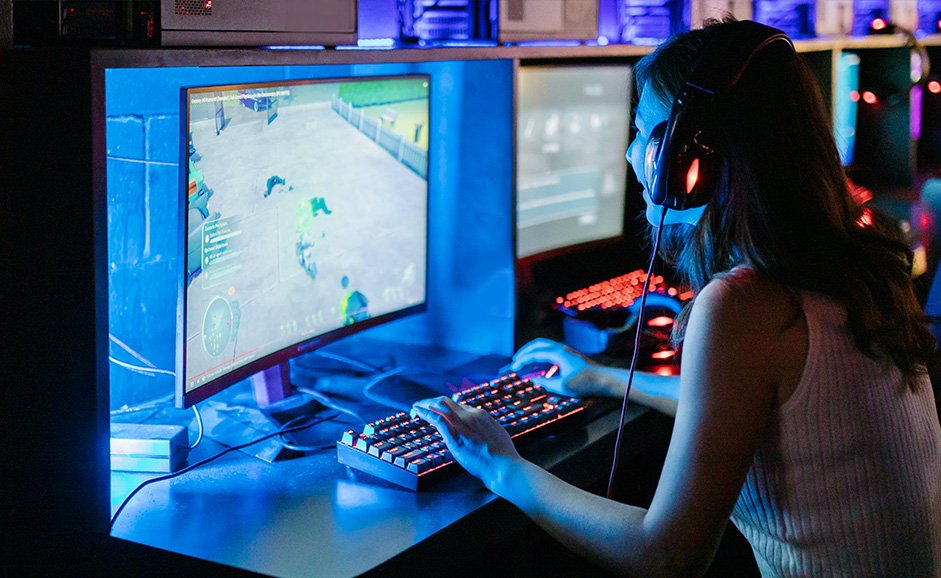
    One of the most notable indicators of eSports’ growth is its expanding audience. Traditionally, competitive gaming was confined to a small, dedicated fan base. However, in recent years, eSports events have attracted millions of viewers worldwide. Major tournaments, such as The International for Dota 2 and the League of Legends World Championship, now fill arenas and stream to vast online audiences. This increased visibility is a testament to the genre’s rising prominence.

    Revenue Boom

    Another clear sign of eSports’ growth is the revenue surge. According to industry reports, global eSports revenue is expected to surpass $1.5 billion by the end of 2024. This impressive figure is driven by several factors. Sponsorship deals with major brands, advertising revenues, and media rights are all contributing to this financial boom. Additionally, merchandise sales and ticket revenue from live events add to the overall financial picture.


    How eSports is Growing and Its Market Impact
    How eSports is Growing and Its Market Impact


    Technological Advancements Fueling Growth

    Enhanced Gaming Experience

    Technology plays a crucial role in eSports’ expansion. Improved gaming hardware and high-speed internet have elevated the gaming experience, making it more engaging for both players and spectators. Virtual reality (VR) and augmented reality (AR) are further enhancing the experience, offering immersive gameplay and spectator options that were previously unimaginable.

    Streaming Platforms

    Streaming platforms like Twitch and YouTube Gaming have also been pivotal in eSports’ growth. These platforms provide a space for gamers to showcase their skills, interact with fans, and build communities. The accessibility of these platforms has broadened eSports’ reach, allowing fans from around the world to participate in real-time.

    Impact on the Traditional Sports Industry

    New Revenue Streams

    eSports is not only growing in its own right but also impacting traditional sports. Traditional sports teams and athletes are investing in eSports, creating new revenue streams and cross-promotional opportunities. For example, major sports franchises like the Philadelphia 76ers and FC Barcelona have their own eSports teams. This crossover is helping to legitimize eSports and integrate it further into mainstream sports culture.

    Changing Sponsorship Landscapes

    Moreover, the rise of eSports is influencing sponsorship deals and advertising strategies. Brands are increasingly looking to eSports as a way to reach younger, tech-savvy audiences. This shift is causing traditional sports sponsors to rethink their strategies and explore new avenues for engagement.

    The Future of eSports

    Potential for Continued Growth

    Looking ahead, the future of eSports appears promising. The industry is poised for continued growth as technology advances and global interest increases. Innovations in gaming technology, such as 5G connectivity and AI-driven game design, are likely to further enhance the eSports experience and attract new players and fans.

    Challenges and Opportunities

    However, with growth come challenges. Issues such as player burnout, regulatory concerns, and the need for sustainable practices are areas that need attention. Addressing these challenges will be crucial for the continued success and growth of the eSports industry.

    Conclusion

    In conclusion, eSports is experiencing remarkable growth, fueled by technological advancements and a surge in popularity. Its expanding audience and revenue potential are reshaping not only the gaming industry but also the broader market. As eSports continues to evolve, it presents both opportunities and challenges, promising an exciting future for players, fans, and investors alike.

  • Top Sports and Fitness Trends for 2024

    Top Sports and Fitness Trends for 2024

    As we step into 2024, sports and fitness continue to evolve rapidly. New technologies, methods, and philosophies are shaping the way people train and stay active. Whether you’re a fitness enthusiast or just starting out, understanding the latest trends can help you stay motivated and get the most out of your workouts. So, let’s dive into the top sports and fitness trends for 2024 and how they can impact your fitness journey!

    1. Immersive Fitness Technology

    Virtual Reality (VR) and Augmented Reality (AR) Workouts

    In 2024, VR and AR workouts are taking center stage. These immersive experiences transport users into various environments, making workouts more engaging and exciting. Whether you’re cycling through scenic landscapes or boxing in a futuristic arena, VR and AR are transforming traditional fitness.

    Moreover, this tech makes fitness accessible for everyone, as users can customize their experience based on their fitness level. It’s no surprise that immersive technology is a top sports and fitness trend to watch this year.

    2. Functional Training for Everyday Strength

    Focus on Mobility and Flexibility

    Another major trend is the rise of functional training, which focuses on improving movements we use daily. In contrast to traditional weightlifting, functional exercises target multiple muscle groups at once, enhancing balance, coordination, and strength. This is particularly important as people aim for sustainable, injury-free fitness.

    Moreover, functional training often incorporates mobility and flexibility exercises. By prioritizing these areas, you can maintain joint health and reduce the risk of injury.

    3. High-Intensity Interval Training (HIIT) Continues to Thrive

    Shorter, More Effective Workouts

    HIIT remains a favorite in 2024, and for good reason. These quick, intense workouts pack a punch and offer significant results in less time. As people’s schedules become busier, finding time to exercise is a challenge, making HIIT a go-to solution. You can squeeze in an effective session in as little as 20 minutes!

    Additionally, HIIT has proven benefits for cardiovascular health and fat burning, which is why it continues to dominate the top sports and fitness trends.

    4. Mind-Body Connection

    Meditation and Mindful Movement

    Fitness isn’t just about the body anymore; mental wellness plays an equally important role. In 2024, expect to see a strong emphasis on the mind-body connection. Practices like yoga, Pilates, and mindful movement exercises are rising in popularity as they focus on improving physical strength while also promoting mental clarity and relaxation.

    In addition to boosting overall health, these practices reduce stress, enhance focus, and support long-term fitness goals. If you’re looking for a more holistic approach to fitness, this trend is one to embrace.

    5. Wearable Fitness Technology

    Data-Driven Fitness

    Wearable tech is smarter than ever in 2024. From fitness trackers to smartwatches, these devices collect vital data like heart rate, sleep quality, and workout performance. By leveraging this data, individuals can personalize their training and monitor progress in real-time.

    Moreover, wearable technology fosters accountability. Whether you’re tracking daily steps or calories burned, these devices make it easier to stay on top of your fitness goals.

    6. Group Fitness for Social Connection

    Digital and In-Person Communities

    Staying connected with others is essential for maintaining motivation. Group fitness classes, both in-person and virtual, are gaining traction as they provide social interaction along with a workout. Whether it’s joining a local yoga class or hopping into a virtual cycling session, group fitness fosters community and support.

    This trend is especially important for people seeking motivation and accountability. With the rise of digital platforms, it’s easier than ever to find a group fitness experience that suits your needs.

    Conclusion

    In 2024, the top sports and fitness trends are shaping how we approach health and wellness. From immersive fitness technology to functional training and mindful movement, these trends are more personalized, accessible, and inclusive than ever before. As you explore these new approaches, remember that staying active is a journey, not a destination. By embracing these trends, you’ll be well on your way to achieving long-lasting fitness success.